Sensory processing disorder
A condition in which multisensory input is not adequately processed in order to provide appropriate responses to the demands of the environment. Sensory processing disorder is present in many, but not all people with autism spectrum disorders.

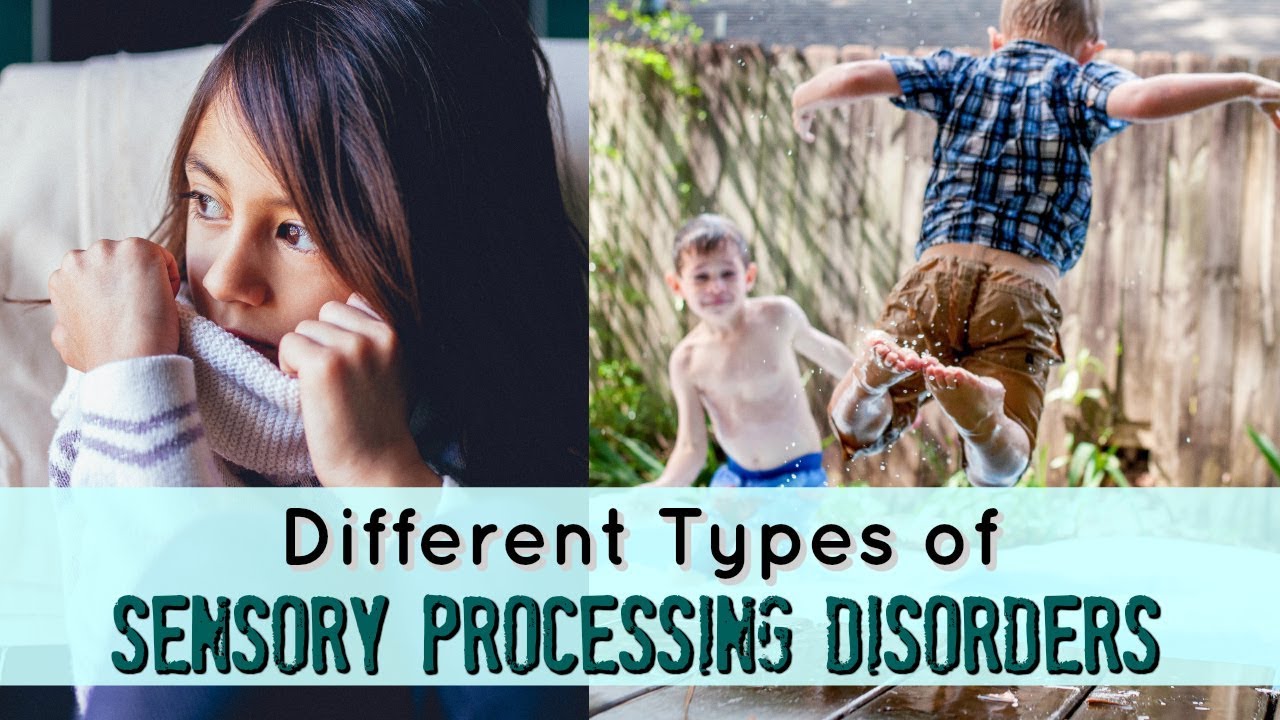
Recognizing Sensory Processing Disorder in Children
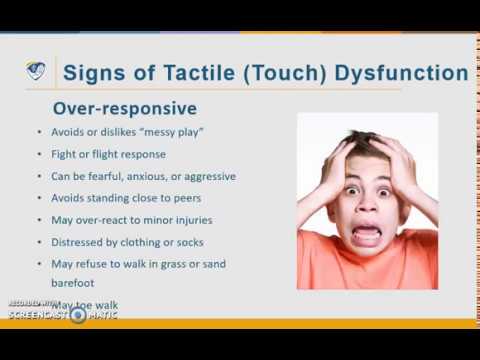
Sensory Processing Disorder: Occupational Therapy Demonstration

Treating Children for Sensory Processing Disorder

Sensory Processing Disorder (SPD) is a condition that affects how the brain processes sensory information. This includes information from the five traditional senses: sight, sound, touch, taste, and smell, as well as the sense of movement (vestibular system) and body position (proprioception). Individuals with SPD may find it difficult to process and act upon information received through these senses, which can lead to challenges in performing everyday tasks.
What is Sensory Processing Disorder?
SPD is not currently recognized as a distinct medical diagnosis in the Diagnostic and Statistical Manual of Mental Disorders (DSM-5), but it is widely acknowledged by occupational therapists and other professionals. The disorder can manifest in various ways, often categorized into three main types:
- Sensory Modulation Disorder: This type involves difficulty regulating responses to sensory stimuli. Individuals may be over-responsive (hypersensitive), under-responsive (hyposensitive), or seek sensory input excessively.
- Sensory Discrimination Disorder: This type affects the ability to distinguish between different sensory stimuli. For example, a person may struggle to differentiate between similar textures or sounds.
- Sensory-Based Motor Disorder: This type impacts motor skills and includes conditions like dyspraxia, where individuals have difficulty planning and executing movements.
Symptoms of Sensory Processing Disorder
The symptoms of SPD can vary widely among individuals and can range from mild to severe. Some common symptoms include:
- Over-sensitivity to sensory input, such as bright lights, loud noises, or certain textures.
- Under-sensitivity, leading to a high tolerance for pain or a lack of awareness of personal space.
- Difficulty with coordination and motor skills.
- Challenges with balance and spatial orientation.
- Behavioral issues, such as anxiety, frustration, or withdrawal in response to sensory overload.
- Difficulty focusing or paying attention, often mistaken for attention-deficit disorders.
Causes and Risk Factors
The exact cause of SPD is not well understood, but it is believed to involve a combination of genetic and environmental factors. Some potential risk factors include:
- Genetics: SPD may run in families, suggesting a hereditary component.
- Premature Birth: Children born prematurely or with low birth weight may be at higher risk.
- Environmental Factors: Exposure to environmental toxins or prenatal stress may contribute to the development of SPD.
Diagnosis and Assessment
Diagnosing SPD can be challenging due to its overlap with other conditions, such as autism spectrum disorder (ASD) and attention-deficit/hyperactivity disorder (ADHD). A comprehensive assessment by an occupational therapist is often necessary. This assessment may include:
- Sensory Profile Questionnaires: These are used to gather information about an individual's sensory experiences and behaviors.
- Observations: Direct observation of the individual's responses to sensory stimuli in various settings.
- Standardized Tests: Tests that assess sensory processing abilities and motor skills.
Treatment and Management
While there is no cure for SPD, various interventions can help manage symptoms and improve quality of life. Treatment is often tailored to the individual's specific needs and may include:
- Occupational Therapy: This is the most common treatment for SPD. Therapists use sensory integration techniques to help individuals respond more effectively to sensory input.
- Sensory Diets: These are personalized activity plans that provide the sensory input a person needs to stay focused and organized throughout the day.
- Environmental Modifications: Adjusting the individual's environment to reduce sensory overload, such as using noise-canceling headphones or dimming lights.
- Parent and Caregiver Education: Training for parents and caregivers to better understand and support the individual's sensory needs.
Living with Sensory Processing Disorder
Living with SPD can be challenging, but with the right support and strategies, individuals can lead fulfilling lives. Here are some tips for managing SPD:
- Create a Routine: Consistent routines can help reduce anxiety and provide a sense of security.
- Use Calming Techniques: Techniques such as deep breathing, meditation, or yoga can help manage sensory overload.
- Advocate for Accommodations: In educational or work settings, advocating for necessary accommodations can help individuals succeed.
- Connect with Support Groups: Joining support groups can provide valuable resources and a sense of community.