Fig, Growing


Why your fig tree dropped its leaves
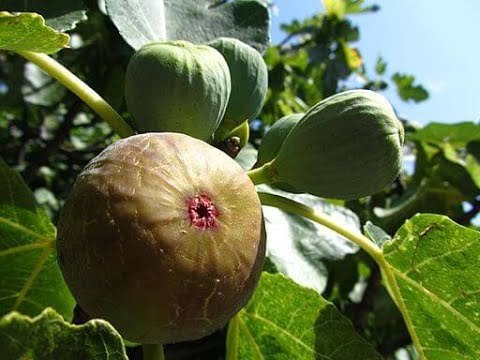
UNDERSTANDING FIG VARIETIES
Before you start growing figs, it's important to understand the different varieties available. Figs come in a range of colors, sizes, and flavors. Some popular varieties include:
- Brown Turkey: Known for its hardiness and adaptability, this variety produces medium to large fruits with a rich, sweet flavor.
- Black Mission: This variety is prized for its dark purple skin and sweet, pink flesh. It is commonly used for drying and fresh consumption.
- Kadota: With its green skin and amber flesh, Kadota figs are less sweet but excellent for canning and preserving.
- Celeste: Often referred to as the "sugar fig," Celeste figs are small, sweet, and perfect for fresh eating.
Choosing the Right Location
Figs thrive in warm climates and require plenty of sunlight to produce abundant fruit. When selecting a location for your fig tree, consider the following:
- Sunlight: Choose a spot that receives at least 6-8 hours of direct sunlight each day.
- Soil: Figs prefer well-drained soil with a pH between 6.0 and 6.5. If your soil is heavy clay, consider amending it with organic matter to improve drainage.
- Space: Ensure there is enough space for the tree to grow. Fig trees can spread out, so plant them at least 10-15 feet apart from other trees or structures.
Planting Fig Trees
Once you've selected the right location, it's time to plant your fig tree. Follow these steps for successful planting:
- Timing: The best time to plant fig trees is in the early spring or late fall when the tree is dormant.
- Digging the Hole: Dig a hole that is twice as wide and the same depth as the root ball of the tree.
- Planting: Place the tree in the hole, ensuring that the top of the root ball is level with the surrounding soil. Backfill the hole with soil and water thoroughly.
- Mulching: Apply a layer of mulch around the base of the tree to retain moisture and suppress weeds.
Caring for Fig Trees
Proper care is essential for healthy fig trees and bountiful harvests. Here are some tips for maintaining your fig tree:
- Watering: Figs need regular watering, especially during dry spells. Water deeply once a week, allowing the soil to dry out slightly between waterings.
- Fertilizing: Apply a balanced fertilizer in early spring and again in mid-summer to promote growth and fruit production.
- Pruning: Prune fig trees in late winter to remove dead or diseased wood and to shape the tree. This encourages new growth and improves air circulation.
- Pest and Disease Control: Keep an eye out for common pests like aphids and scale insects. Use organic insecticides or introduce beneficial insects to control infestations.
Harvesting Figs
Figs are typically ready to harvest in late summer to early fall. Here’s how to know when your figs are ripe:
- Color: Ripe figs will have a deep, rich color depending on the variety.
- Texture: The fruit should be soft to the touch but not mushy.
- Ease of Picking: Ripe figs will easily detach from the tree with a gentle tug.
Harvest figs as soon as they ripen, as they do not continue to ripen once picked. Enjoy them fresh, dried, or preserved for later use.