Virosphere
Making sense of the viral multiverse
An Anthropocentric View of the Virosphere-Host Relationship
Viral Ecology:
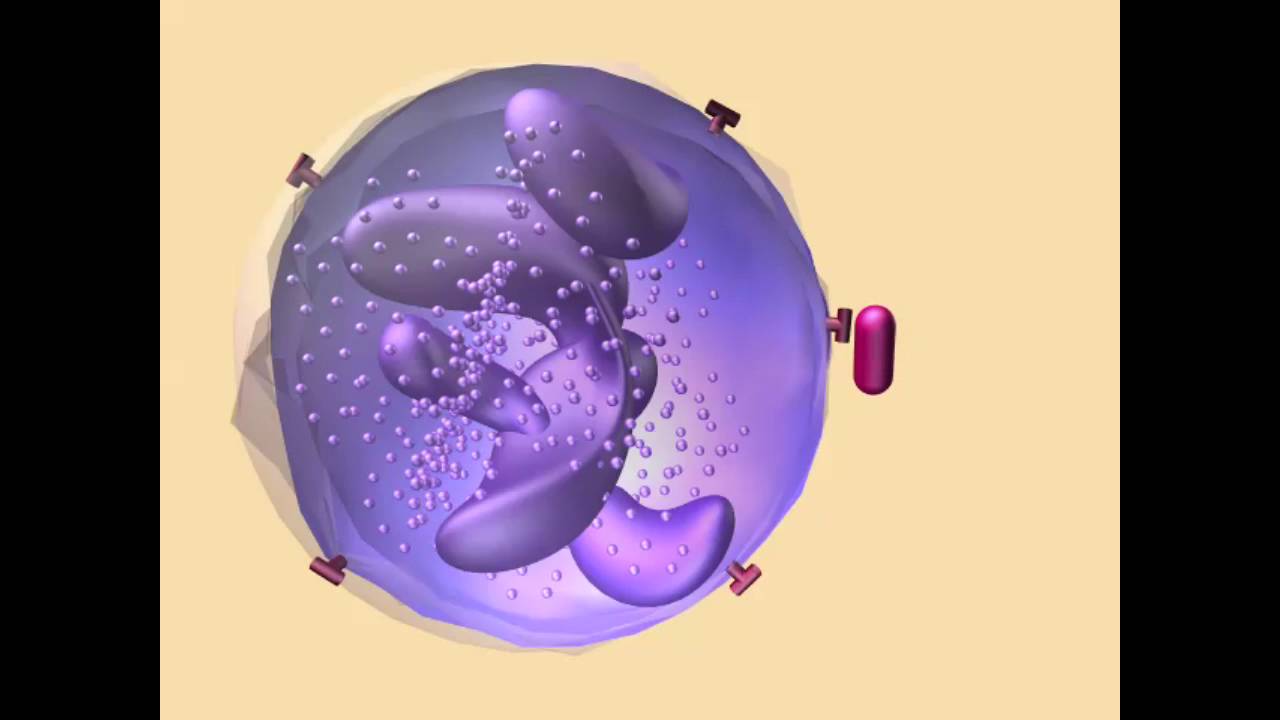
Exploring the virosphere with cryo-electron microscopy - Associate Professor Fasseli Coulibaly
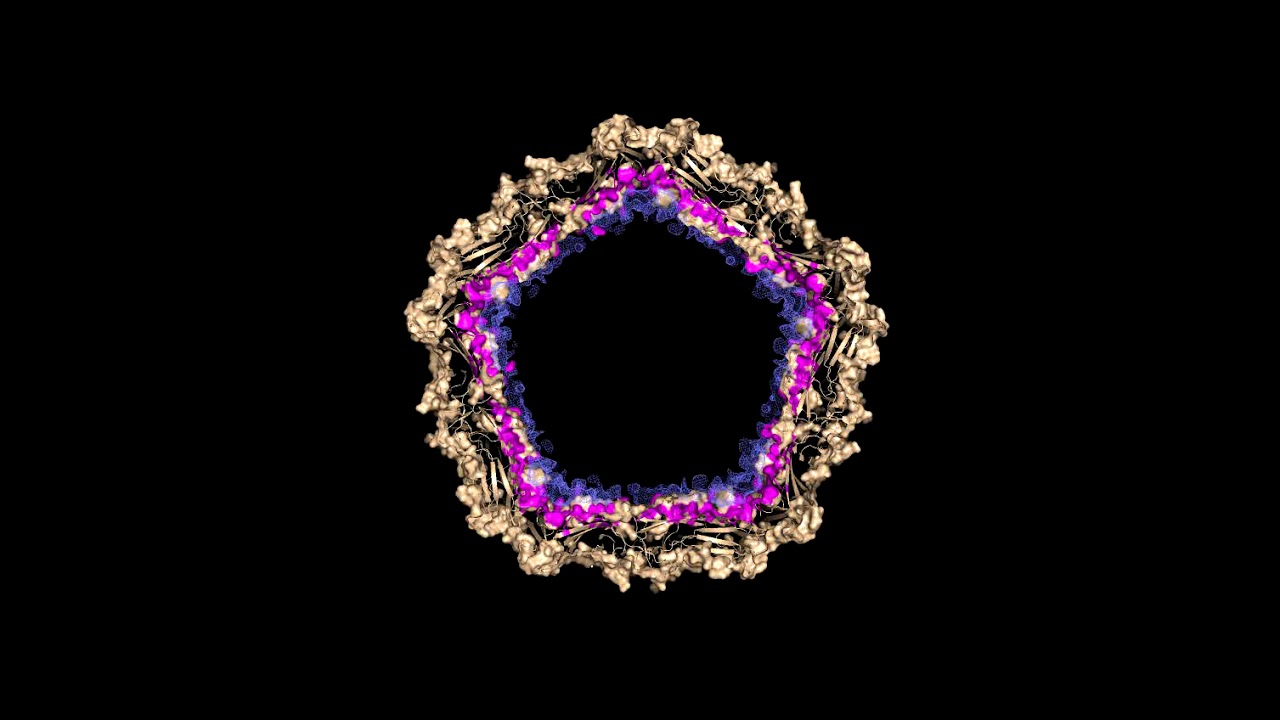
The Power of Viruses for Good

The term virosphere refers to the vast and diverse world of viruses that inhabit our planet. This concept encompasses all viruses, from those that infect humans and animals to those that target plants, fungi, and even bacteria. The virosphere is a critical component of the biosphere, influencing ecological and evolutionary processes across all domains of life.
The Diversity of Viruses
Viruses are incredibly diverse, both in terms of their genetic makeup and the hosts they infect. They are the most abundant biological entities on Earth, with estimates suggesting there are more than 1031 virus particles globally. This diversity is reflected in the wide range of virus families, each with unique characteristics and modes of replication. Some of the major virus families include:
- Adenoviridae: Known for causing respiratory illnesses in humans.
- Herpesviridae: Includes viruses responsible for diseases like chickenpox and herpes simplex.
- Retroviridae: Encompasses the HIV virus, which causes AIDS.
- Coronaviridae: Includes viruses like SARS-CoV-2, responsible for the COVID-19 pandemic.
The Role of Viruses in Ecosystems
Viruses play a crucial role in ecosystems by influencing the population dynamics of their hosts. They can control the abundance of certain species, thereby affecting food webs and nutrient cycles. For example, bacteriophages, which are viruses that infect bacteria, are essential in regulating bacterial populations in marine environments. This regulation helps maintain the balance of microbial communities, which are vital for nutrient cycling and energy flow in aquatic ecosystems.
Moreover, viruses contribute to genetic diversity through horizontal gene transfer. This process allows for the exchange of genetic material between different organisms, promoting genetic variation and evolution. Viruses can also drive the evolution of their hosts by exerting selective pressures that lead to the development of resistance mechanisms.
Viruses and Human Health
While many viruses are harmless or even beneficial, some pose significant threats to human health. Viral infections can range from mild illnesses, like the common cold, to severe diseases, such as Ebola and COVID-19. Understanding the virosphere is crucial for developing strategies to prevent and treat viral diseases.
Vaccination is one of the most effective methods for controlling viral infections. Vaccines work by stimulating the immune system to recognize and combat specific viruses. The development of vaccines for diseases like measles, polio, and influenza has significantly reduced their incidence and impact.
In addition to vaccines, antiviral drugs are used to treat viral infections. These medications target specific stages of the viral life cycle, inhibiting the virus's ability to replicate and spread. However, the rapid mutation rates of viruses can lead to the emergence of drug-resistant strains, posing challenges for treatment.
The Impact of Viruses on Evolution
Viruses have played a significant role in the evolution of life on Earth. They are thought to have contributed to the origin of cellular life by facilitating the exchange of genetic material between primitive cells. This exchange may have led to the development of complex cellular machinery and the diversification of life forms.
Furthermore, viruses continue to drive evolutionary change by acting as agents of natural selection. Host organisms must constantly adapt to viral threats, leading to the evolution of immune defenses and other protective mechanisms. This ongoing arms race between viruses and their hosts is a key driver of evolutionary innovation.
The Future of Virology
The study of the virosphere is an ever-evolving field, with new discoveries continually reshaping our understanding of viruses and their roles in the natural world. Advances in technology, such as metagenomics and bioinformatics, have enabled scientists to explore the virosphere in unprecedented detail. These tools allow for the identification and characterization of previously unknown viruses, expanding our knowledge of viral diversity and ecology.
As our understanding of the virosphere grows, so too does our ability to harness viruses for beneficial purposes. For example, viruses are being used in gene therapy to deliver therapeutic genes to target cells, offering potential treatments for genetic disorders. Additionally, bacteriophages are being explored as alternatives to antibiotics in the fight against antibiotic-resistant bacteria.