Fracking Waste
Videos
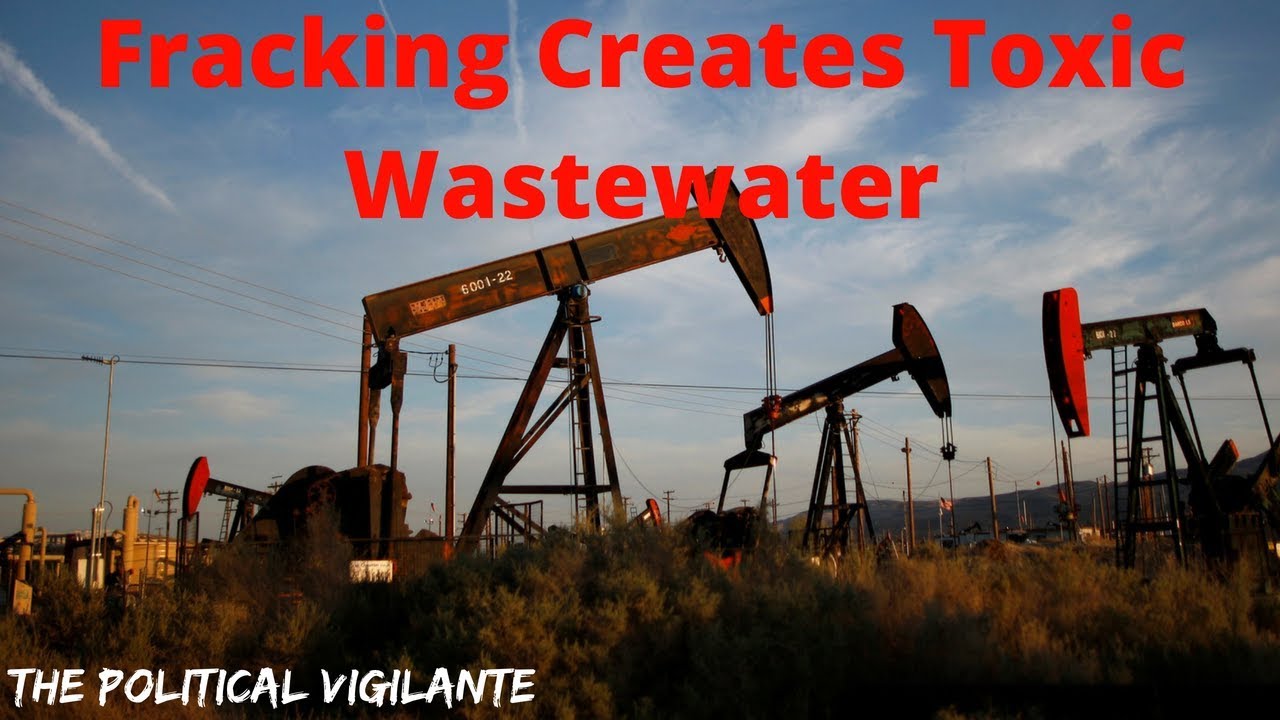
Why is Fracking Waste Water Radioactive?
Exposure to Fracking Chemicals and Wastewater Spurs Fat Cells
CALIFORNIA ADMITS BILLIONS OF GALLONS FRACKING WASTEWATER INJECTED INTO CLEAN GROUNDWATER.
Newly found chemicals in fracking wastewater lead to cancer
Benzene diet? No, thanks. California farmers angry at fracking wastewater use amidst record drought
Fracking, or hydraulic fracturing, is a method used to extract oil and natural gas from deep underground. This process involves injecting a high-pressure mixture of water, sand, and chemicals into rock formations to release the hydrocarbons trapped inside. While fracking has significantly boosted energy production, it has also raised environmental concerns, particularly regarding the waste it generates.
Types of Fracking Waste
Fracking waste can be broadly categorized into two types: liquid waste and solid waste.
1. Liquid Waste
- Flowback Water: This is the fluid that returns to the surface after the fracking process. It contains the original fracking fluid components, along with additional substances picked up from the underground rock formations, such as heavy metals, radioactive materials, and hydrocarbons.
- Produced Water: This is water that comes out of the well along with the oil and gas during production. It is typically high in salinity and may contain various dissolved solids, organic compounds, and naturally occurring radioactive materials (NORM).
2. Solid Waste
- Drill Cuttings: These are small pieces of rock and soil that are brought to the surface during the drilling process. They may be contaminated with drilling fluids and other chemicals used in the fracking process.
- Sludge: This is a semi-solid waste that can accumulate in storage tanks and pits. It often contains a mixture of hydrocarbons, heavy metals, and other contaminants.
Environmental Impact of Fracking Waste
The disposal and management of fracking waste pose several environmental challenges:
Water Contamination
One of the most significant concerns is the potential for fracking waste to contaminate surface and groundwater. Improper disposal or accidental spills of flowback and produced water can lead to the introduction of toxic substances into water supplies, affecting both human health and aquatic ecosystems.
Air Pollution
Fracking waste can also contribute to air pollution. Volatile organic compounds (VOCs) and other hazardous air pollutants can be released during the handling and storage of waste, contributing to smog formation and respiratory problems in nearby communities.
Soil Contamination
Solid waste, such as drill cuttings and sludge, can lead to soil contamination if not properly managed. The presence of heavy metals and other toxic substances can degrade soil quality and harm plant and animal life.
Induced Seismicity
The injection of liquid waste into deep underground wells has been linked to increased seismic activity in some regions. This phenomenon, known as induced seismicity, can pose risks to infrastructure and public safety.
Waste Management Strategies
To mitigate the environmental impact of fracking waste, several management strategies are employed:
Recycling and Reuse
Recycling fracking fluids and produced water for use in subsequent fracking operations can significantly reduce the volume of waste generated. This approach not only conserves water resources but also minimizes the need for disposal.
Treatment and Disposal
- Wastewater Treatment: Advanced treatment technologies can remove contaminants from fracking wastewater, making it safe for discharge or reuse. These technologies include filtration, chemical precipitation, and biological treatment.
- Underground Injection: Deep well injection is a common method for disposing of liquid waste. This involves injecting the waste into deep geological formations that are isolated from drinking water sources.
Solid Waste Management
- Landfilling: Solid waste, such as drill cuttings, can be disposed of in landfills designed to contain hazardous materials. These landfills are equipped with liners and leachate collection systems to prevent contamination.
- Beneficial Use: Some solid waste materials can be repurposed for beneficial uses, such as road construction or land reclamation, provided they meet safety and environmental standards.
Regulatory Framework
The management of fracking waste is subject to a complex regulatory framework at both the federal and state levels. In the United States, the Environmental Protection Agency (EPA) oversees the regulation of wastewater disposal under the Safe Drinking Water Act. However, the regulation of solid waste and air emissions is often left to individual states, leading to variations in standards and enforcement.
Challenges and Future Directions
Despite the existing regulations and management practices, challenges remain in effectively managing fracking waste. These include:
- Technological Limitations: Current treatment technologies may not be sufficient to remove all contaminants from fracking waste, necessitating ongoing research and development.
- Regulatory Gaps: Inconsistencies in regulations across different jurisdictions can complicate waste management efforts and hinder the adoption of best practices.
- Public Perception: Public concern over the environmental and health impacts of fracking waste can influence policy decisions and industry practices.
Looking forward, advancements in waste treatment technologies, improved regulatory frameworks, and increased industry transparency will be crucial in addressing the challenges associated with fracking waste. By prioritizing environmental protection and sustainable resource management, the industry can continue to benefit from fracking while minimizing its ecological footprint.
ARTICLES/STUDIES
Fracking waste is radioactive and endangers human health – there is NO safe way to dispose of it
A Small Town's Battle to Get Rid of Radioactive Fracking Waste
Scientists Discover Two New Pollutants in Fracking Waste
Is drilling & fracking waste in your pool or on your sidewalk?