Functional Digestive Testing
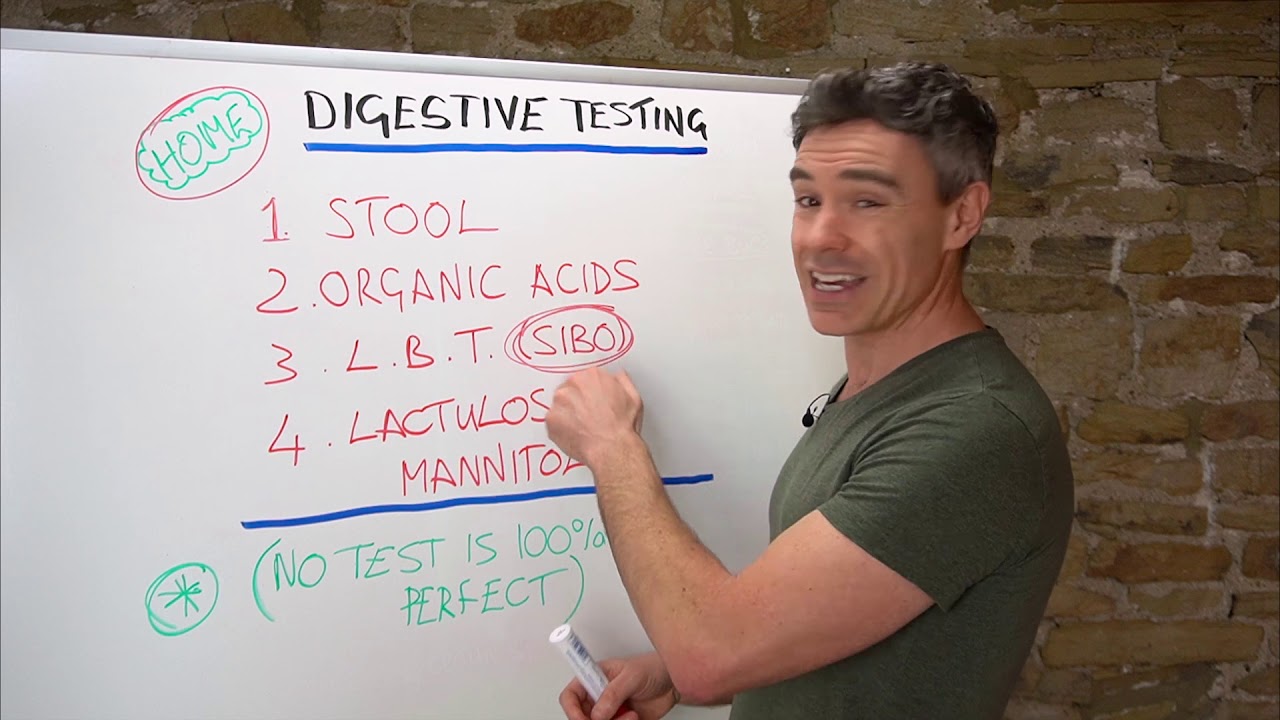
Functional digestive testing is an innovative approach to diagnosing and managing gastrointestinal (GI) disorders. Unlike traditional methods that often focus on structural abnormalities, functional digestive testing aims to assess how well the digestive system is working. This type of testing can provide valuable insights into the underlying causes of digestive symptoms and help tailor personalized treatment plans.
What is Functional Digestive Testing?
Functional digestive testing involves a series of non-invasive tests designed to evaluate the performance of the digestive system. These tests can identify issues related to digestion, absorption, and the gut microbiome. By focusing on the functionality of the digestive tract, healthcare providers can better understand the root causes of symptoms such as bloating, gas, diarrhea, constipation, and abdominal pain.
Key Components of Functional Digestive Testing
Functional digestive testing encompasses a variety of tests, each targeting different aspects of the digestive process. Some of the most common tests include:
- Stool Analysis: This test examines the composition of stool to assess digestion and absorption. It can detect the presence of pathogens, inflammation, and imbalances in gut bacteria.
- Breath Tests: These tests measure the levels of gases such as hydrogen and methane in the breath, which can indicate issues like small intestinal bacterial overgrowth (SIBO) or carbohydrate malabsorption.
- Food Sensitivity Testing: This test identifies specific foods that may trigger adverse reactions in the digestive system, helping to tailor dietary recommendations.
- Gastrointestinal Motility Testing: This evaluates the movement of food through the digestive tract, identifying conditions like gastroparesis or irritable bowel syndrome (IBS).
- Enzyme and Acid Production Tests: These assess the production of digestive enzymes and stomach acid, which are crucial for proper digestion and nutrient absorption.
Benefits of Functional Digestive Testing
Functional digestive testing offers several advantages over traditional diagnostic methods:
- Personalized Treatment Plans: By identifying the specific functional issues within the digestive system, healthcare providers can develop customized treatment plans that address the root causes of symptoms.
- Non-Invasive and Safe: Most functional digestive tests are non-invasive, making them safe and comfortable for patients.
- Comprehensive Insights: These tests provide a holistic view of the digestive system, offering insights into how different components interact and affect overall health.
- Early Detection: Functional testing can detect issues before they develop into more serious conditions, allowing for early intervention and prevention.
Common Conditions Diagnosed with Functional Digestive Testing
Functional digestive testing can help diagnose a range of GI disorders, including:
- Irritable Bowel Syndrome (IBS): Characterized by symptoms like abdominal pain, bloating, and altered bowel habits, IBS can be better understood through tests that assess gut motility and microbiome balance.
- Small Intestinal Bacterial Overgrowth (SIBO): This condition occurs when excessive bacteria grow in the small intestine, leading to symptoms like bloating and diarrhea. Breath tests are commonly used to diagnose SIBO.
- Food Intolerances and Sensitivities: Identifying specific food triggers can help manage symptoms and improve quality of life for individuals with food sensitivities.
- Inflammatory Bowel Disease (IBD): While functional testing is not a primary diagnostic tool for IBD, it can provide additional insights into gut health and inflammation levels.
The Role of the Gut Microbiome
The gut microbiome plays a crucial role in digestive health, and functional digestive testing often includes an analysis of gut bacteria. A balanced microbiome is essential for proper digestion, immune function, and overall well-being. Imbalances in gut bacteria can contribute to a variety of digestive disorders, making microbiome analysis a valuable component of functional testing.
Preparing for Functional Digestive Testing
Preparation for functional digestive testing varies depending on the specific tests being conducted. Generally, patients may be advised to:
- Avoid certain foods or medications that could affect test results.
- Follow specific dietary guidelines in the days leading up to the test.
- Fast for a certain period before the test, if required.
It is important for patients to follow their healthcare provider's instructions carefully to ensure accurate results.