Biosludge

History of Biosludge
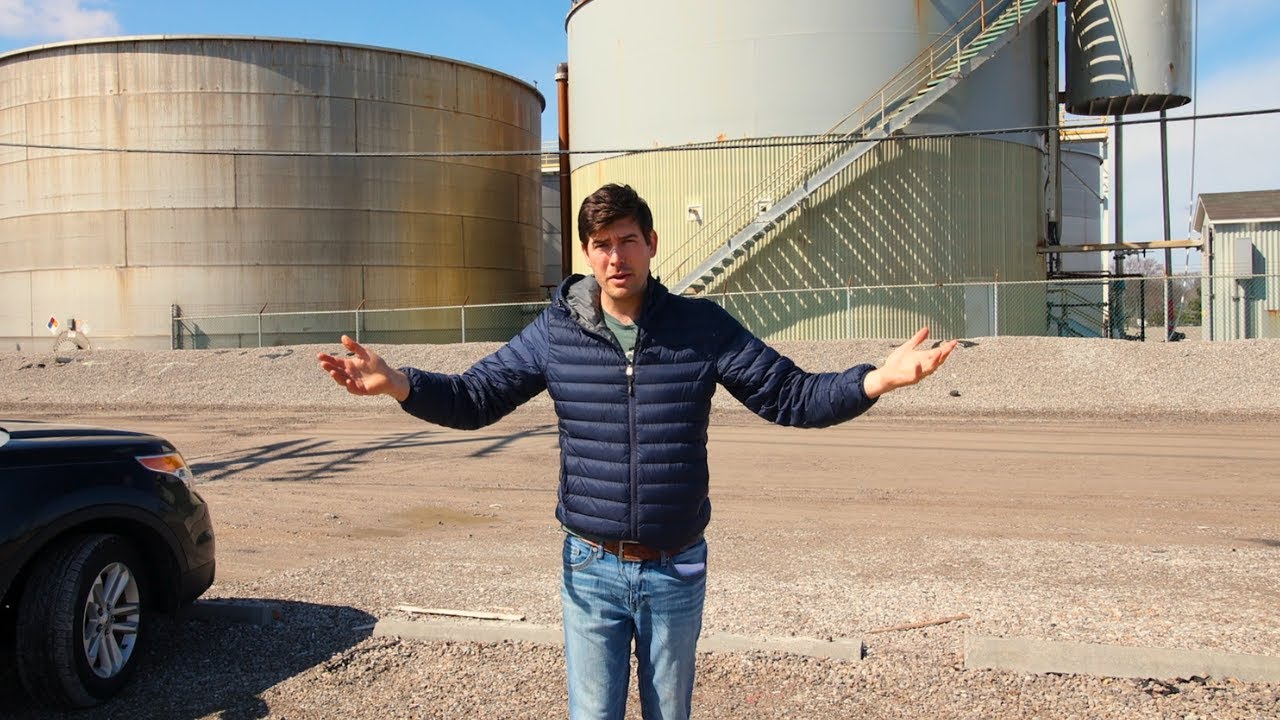
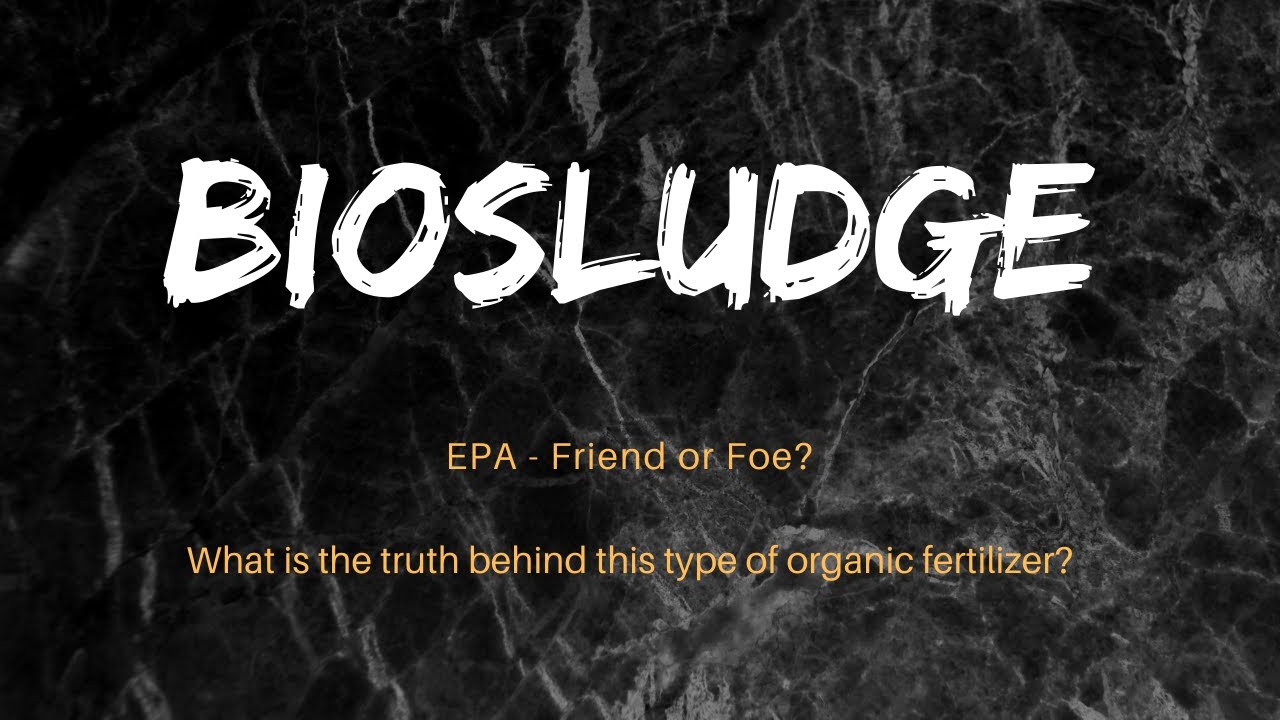
Biosludge, also known as sewage sludge, is a byproduct of the wastewater treatment process. It consists of a semi-solid mixture of organic and inorganic materials, including human waste, industrial waste, and other contaminants. While biosludge can be used as a fertilizer due to its nutrient content, its application in agriculture raises significant concerns about food safety, particularly regarding the presence of toxins in foods.
Composition of Biosludge
Biosludge is composed of a variety of materials, including:
- Organic matter: This includes decomposed plant and animal residues.
- Nutrients: Nitrogen, phosphorus, and potassium are present, which are beneficial for plant growth.
- Pathogens: Bacteria, viruses, and parasites that can pose health risks.
- Heavy metals: Elements like lead, mercury, and cadmium, which can be toxic to humans and animals.
- Organic pollutants: Compounds such as polychlorinated biphenyls (PCBs) and dioxins.
- Pharmaceuticals and personal care products: Residues from medications and hygiene products.
Application in Agriculture
The use of biosludge as a fertilizer is a common practice due to its nutrient-rich composition. It is applied to agricultural lands to improve soil fertility and enhance crop yields. However, the presence of harmful substances in biosludge has led to debates about its safety and environmental impact.
Benefits
- Nutrient Recycling: Biosludge recycles essential nutrients back into the soil, reducing the need for chemical fertilizers.
- Soil Improvement: It can improve soil structure, water retention, and microbial activity.
- Cost-Effective: Using biosludge can be more economical for farmers compared to synthetic fertilizers.
Risks
- Toxin Accumulation: Heavy metals and organic pollutants can accumulate in the soil and be taken up by crops, entering the food chain.
- Pathogen Transmission: Pathogens present in biosludge can contaminate crops, posing health risks to consumers.
- Environmental Impact: Runoff from fields treated with biosludge can contaminate water bodies, affecting aquatic life and water quality.
Toxins in Foods
The application of biosludge in agriculture can lead to the presence of toxins in foods. These toxins can have various health effects, depending on their nature and concentration.
Heavy Metals
Heavy metals such as lead, mercury, and cadmium are of particular concern. They can accumulate in the body over time, leading to:
- Neurological damage
- Kidney dysfunction
- Bone fragility
- Developmental issues in children
Organic Pollutants
Organic pollutants like PCBs and dioxins are persistent in the environment and can accumulate in the food chain. They are associated with:
- Cancer
- Immune system suppression
- Reproductive and developmental problems
Pathogens
Pathogens in biosludge can contaminate crops, leading to foodborne illnesses. Common pathogens include:
- Salmonella
- E. coli
- Listeria
Regulatory Measures
To mitigate the risks associated with biosludge, several regulatory measures are in place:
- Standards and Guidelines: Agencies like the Environmental Protection Agency (EPA) set standards for the safe use of biosludge in agriculture.
- Monitoring and Testing: Regular testing of biosludge for contaminants is required to ensure compliance with safety standards.
- Public Awareness: Educating farmers and the public about the risks and safe practices associated with biosludge use.