Helicase
Helicases are enzymes that bind and may even remodel nucleic acid or nucleic acid protein complexes. There are DNA and RNA helicases. DNA helicases
DNA replication: Helicase and Unwinding:
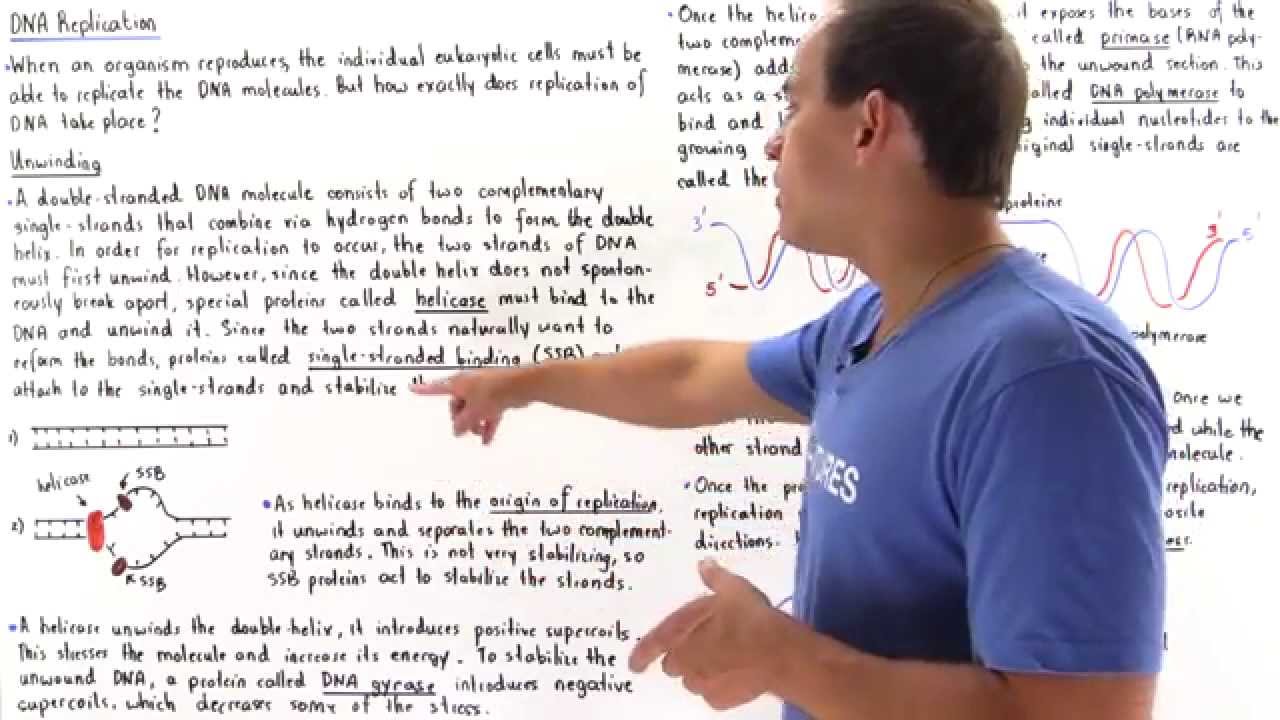
Helicases Find their Way

The Molecular Motor of DNA Replication
Helicase is a crucial enzyme in the realm of molecular biology, playing an indispensable role in the process of DNA replication. This enzyme is responsible for unwinding the double-stranded DNA, a necessary step for the replication machinery to access the genetic information encoded within. Without helicase, the replication process would come to a halt, making it a vital component for cellular division and, consequently, for life itself.
Structure and Mechanism
Helicases are a diverse group of enzymes, but they share a common structural feature: they are typically composed of multiple subunits that form a ring-like structure. This ring encircles one strand of the DNA, allowing the enzyme to move along the DNA molecule. The energy required for this movement is derived from the hydrolysis of adenosine triphosphate (ATP), which provides the necessary power for the helicase to break the hydrogen bonds between the two DNA strands.
ATP Hydrolysis
The process of ATP hydrolysis is central to the function of helicase. When ATP binds to the helicase, it undergoes a conformational change that allows it to bind to the DNA. The subsequent hydrolysis of ATP to adenosine diphosphate (ADP) and inorganic phosphate releases energy, which is used to propel the helicase along the DNA strand. This movement is often described as a "molecular motor" action, as it involves a series of coordinated steps that result in the unwinding of the DNA.
Types of Helicases
Helicases are classified into several families based on their sequence and structural similarities. Some of the well-known families include:
- RecQ Helicases: These are involved in maintaining genome stability and are implicated in several genetic disorders when mutated.
- DnaB Helicases: Found in bacteria, these are essential for the initiation of DNA replication.
- MCM Helicases: Minichromosome maintenance proteins are crucial for the replication of eukaryotic DNA.
Each family of helicases has specialized functions and operates in different contexts within the cell, but all share the fundamental role of unwinding DNA.
Biological Importance
The unwinding of DNA by helicase is a prerequisite for several critical cellular processes:
- DNA Replication: Helicase unwinds the DNA at the replication fork, allowing DNA polymerase to synthesize the new strand.
- DNA Repair: During repair processes, helicase unwinds the DNA to allow repair enzymes to access and correct damaged regions.
- Transcription: Although primarily associated with replication, some helicases also play roles in unwinding DNA for transcription.
Helicase in Disease
Mutations in helicase genes can lead to a variety of genetic disorders. For example, mutations in the RecQ helicase family are associated with diseases such as Bloom syndrome, Werner syndrome, and Rothmund-Thomson syndrome. These conditions are characterized by genomic instability, leading to increased cancer risk and other health issues.
Research and Therapeutic Potential
Given their central role in DNA metabolism, helicases are a significant focus of biomedical research. Understanding the detailed mechanisms of helicase function can lead to the development of novel therapeutic strategies. For instance, targeting helicase activity could be a potential approach in cancer treatment, where the rapid division of cancer cells relies heavily on efficient DNA replication.
Inhibitors of Helicase
Researchers are exploring small molecules that can inhibit helicase activity. These inhibitors could serve as powerful tools in cancer therapy by selectively targeting the replication machinery of cancer cells, thereby slowing down or halting their proliferation.