Himalayan peony
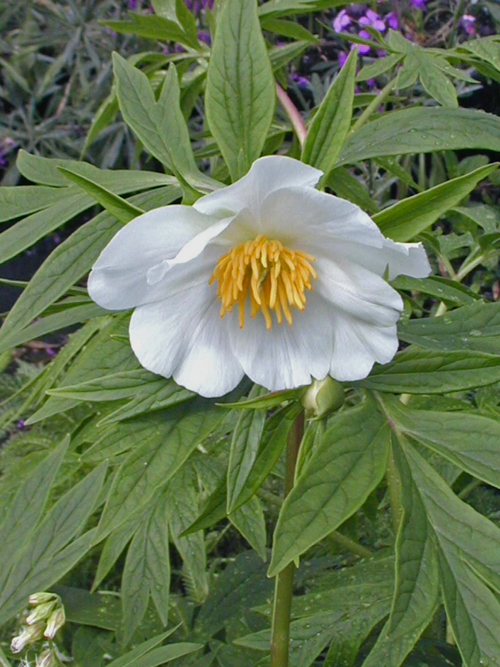
The Himalayan peony, scientifically known as Paeonia emodi, is a captivating flowering plant native to the mountainous regions of the Himalayas. This perennial herb is renowned for its striking beauty and medicinal properties, making it a subject of interest for botanists and horticulturists alike.
Description
Paeonia emodi typically grows to a height of 1 to 1.5 meters. It features large, deeply lobed leaves that provide a lush green backdrop to its stunning flowers. The blooms are usually white, sometimes tinged with pink, and have a delicate, sweet fragrance. Each flower consists of numerous petals surrounding a cluster of golden-yellow stamens, creating a visually appealing contrast.
Habitat and Distribution
This species thrives in the temperate climates of the Himalayas, found at altitudes ranging from 2,000 to 3,500 meters. It is commonly seen in the wild in countries like India, Nepal, Bhutan, and Pakistan. The plant prefers well-drained, humus-rich soil and is often found in forest clearings, meadows, and along streams.
Cultivation
Cultivating the Himalayan peony requires some attention to detail. Here are a few tips for successful growth:
- Soil: Ensure the soil is well-drained and rich in organic matter.
- Light: Provide partial to full sunlight.
- Watering: Keep the soil consistently moist but not waterlogged.
- Temperature: Ideal growth occurs in cooler climates, mimicking its native habitat.
Medicinal Uses
Traditionally, Paeonia emodi has been used in various forms of herbal medicine. The roots and seeds are particularly valued for their therapeutic properties. They are believed to have anti-inflammatory, analgesic, and antispasmodic effects. However, it is essential to consult with a healthcare professional before using any part of the plant for medicinal purposes.