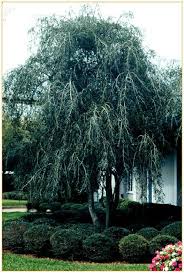
Weeping Holly

Ilex vomitoria var. pendula is the pendulous, ornamental form of yaupon holly (Ilex vomitoria), an evergreen North American holly in the family Aquifoliaceae. Its arching to weeping branches make it a distinctive landscape plant.
Therapeutic and ethnobotanical notes
- The leaves contain methylxanthine alkaloids, principally caffeine, and can be prepared as a stimulating tea when properly identified, dried, and brewed.
- Traditional yaupon use is documented among Indigenous peoples of the southeastern United States; historical “black drink” preparations were culturally significant and should not be reduced to a purely pharmacological use.
- Caffeine content can vary with genetics, plant part, growing conditions, harvest time, and preparation. Claims that the pendulous form consistently contains the most caffeine should be treated as unverified unless supported by a specific chemical analysis.
Safety
Caffeinated preparations may cause insomnia, anxiety, palpitations, gastrointestinal symptoms, or interactions with medicines and other stimulants. Avoid excessive intake; pregnant or breastfeeding people and anyone with cardiovascular conditions or caffeine sensitivity should consult a qualified clinician. Correct identification and hygienic processing are essential—do not use an ornamental plant if its identity or growing conditions are uncertain.
Identification and cultivation
An evergreen shrub or small tree with small, leathery leaves, white flowers, and red berries on female plants. The weeping habit distinguishes this cultivar/form from upright yaupon holly. It prefers sun to partial shade and well-drained soil and is generally drought tolerant once established.
References
Existing photos retained below.