Ambarella

Constituents
Spondias dulcis, commonly known as ambarella, golden apple, or June plum, is a tropical fruit tree belonging to the Anacardiaceae family. Native to the Indo-Malaysian region, this versatile plant has spread to various parts of the world, including the Caribbean, Central America, and Africa. The tree is valued not only for its delicious fruit but also for its medicinal properties and various uses in traditional cuisine.
Botanical Description
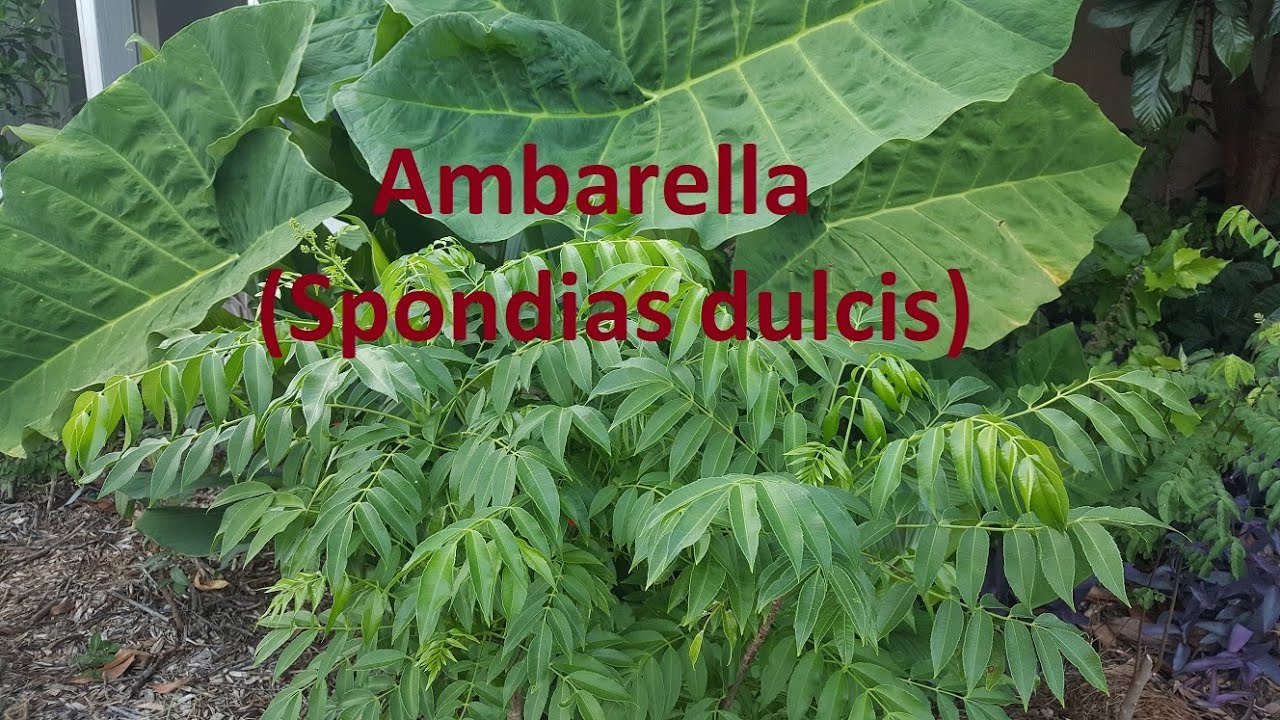
Spondias dulcis is a fast-growing, deciduous tree that can reach heights of up to 20 meters (65 feet). The tree has a spreading canopy with pinnate leaves that are 20-60 cm (8-24 inches) long. Each leaf comprises 9-25 leaflets, which are ovate to elliptic in shape and have serrated margins. The tree produces small, inconspicuous flowers that are greenish-white and borne in terminal panicles.
The fruit of Spondias dulcis is oval or ellipsoid, measuring 6-9 cm (2.4-3.5 inches) in length. When immature, the fruit is green and crunchy, with a tart flavor. As it ripens, the skin turns golden yellow, and the flesh becomes softer and sweeter. The fruit contains a single, large, fibrous seed.
Cultivation and Propagation
Spondias dulcis thrives in tropical and subtropical climates, preferring well-drained, sandy loam soils. The tree is relatively drought-tolerant but performs best with regular watering. It can be grown from seeds, but vegetative propagation through cuttings or grafting is more common to ensure the quality and consistency of the fruit.
Growing Conditions
- Climate: Tropical and subtropical
- Soil: Well-drained, sandy loam
- Watering: Regular, but drought-tolerant
- Propagation: Seeds, cuttings, grafting
Nutritional Value and Health Benefits
The fruit of Spondias dulcis is not only delicious but also packed with nutrients. It is a good source of vitamins A and C, dietary fiber, and various minerals such as calcium, phosphorus, and iron. The fruit's high antioxidant content helps combat oxidative stress and supports overall health.
Health Benefits
- Boosts Immunity: The high vitamin C content strengthens the immune system and helps fight off infections.
- Improves Digestion: Dietary fiber aids in digestion and prevents constipation.
- Promotes Healthy Skin: Vitamin A and antioxidants contribute to healthy, glowing skin.
- Supports Bone Health: Calcium and phosphorus are essential for maintaining strong bones and teeth.
- Anti-inflammatory Properties: The fruit has been traditionally used to reduce inflammation and treat various ailments.
Culinary Uses
Spondias dulcis is a versatile fruit that can be enjoyed in various culinary applications. In its unripe form, the fruit is often eaten with salt, chili, or sugar. It can also be pickled or used in salads. Ripe fruits are commonly used in desserts, jams, and beverages.
Popular Recipes
- Ambarella Juice: A refreshing drink made by blending ripe ambarella with water, sugar, and a hint of lime.
- Ambarella Chutney: A tangy condiment made with unripe ambarella, spices, and vinegar.
- Ambarella Salad: A crunchy salad featuring sliced unripe ambarella, onions, and a spicy dressing.
Traditional and Medicinal Uses
In addition to its culinary uses, Spondias dulcis has a long history of use in traditional medicine. Various parts of the tree, including the leaves, bark, and fruit, are used to treat a range of ailments.
Medicinal Applications
- Leaves: Used to treat wounds, ulcers, and skin infections.
- Bark: Employed as a remedy for diarrhea and dysentery.
- Fruit: Consumed to alleviate digestive issues and boost overall health.
Environmental Impact and Sustainability
Spondias dulcis is considered a sustainable crop due to its adaptability to different soil types and climates. The tree's ability to thrive in marginal soils makes it an excellent choice for reforestation and agroforestry projects. Additionally, its rapid growth and high fruit yield contribute to food security in tropical regions.