Cryotherapy
5 Things to Know
Cryo vs Ice Bath

Does it work?
Testing
Cryotherapy, often referred to as cold therapy, is a treatment method that involves the application of extreme cold to the body for therapeutic purposes. This technique has gained popularity in recent years for its potential health benefits, ranging from pain relief to improved athletic performance.
A Brief History of Cryotherapy
The use of cold as a therapeutic agent dates back to ancient civilizations. The Greeks and Egyptians were among the first to recognize the benefits of cold for treating injuries and reducing inflammation. However, modern cryotherapy as we know it today began to take shape in the late 20th century. In 1978, Dr. Toshima Yamaguchi in Japan developed whole-body cryotherapy (WBC) as a treatment for rheumatoid arthritis. Since then, cryotherapy has evolved and expanded into various forms and applications.
Types of Cryotherapy
Cryotherapy can be categorized into several types, each serving different purposes:
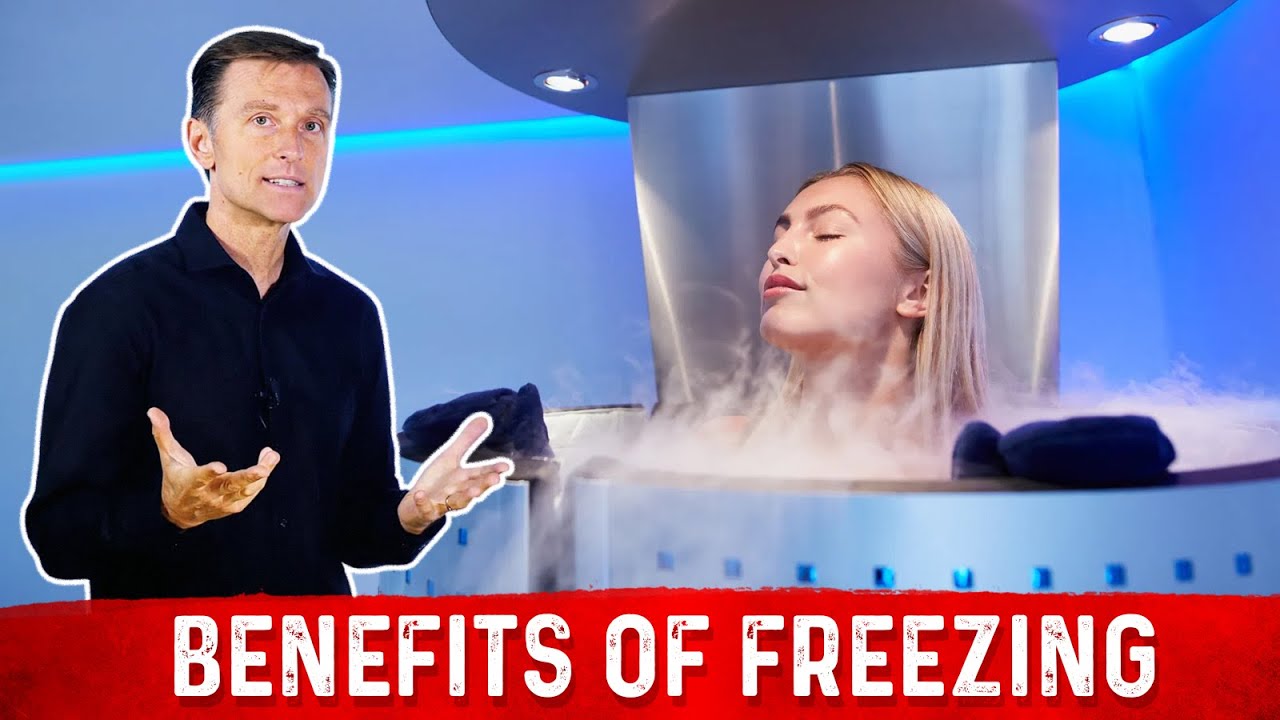
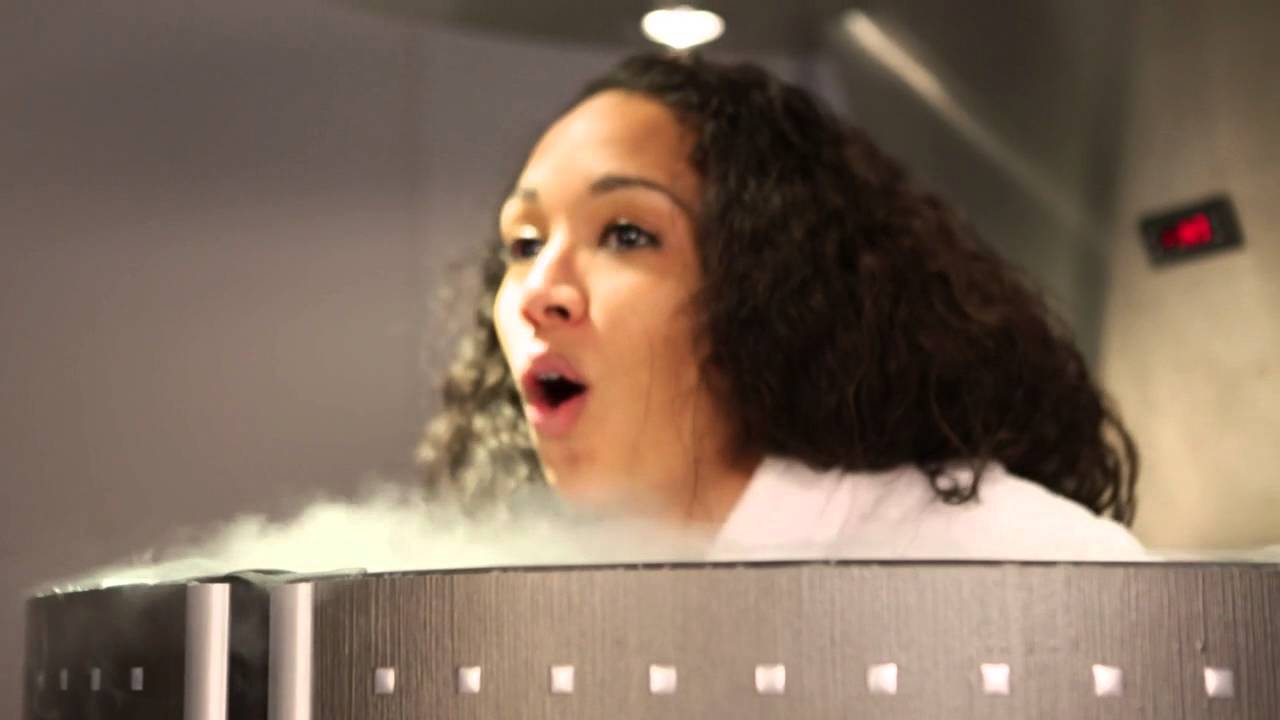
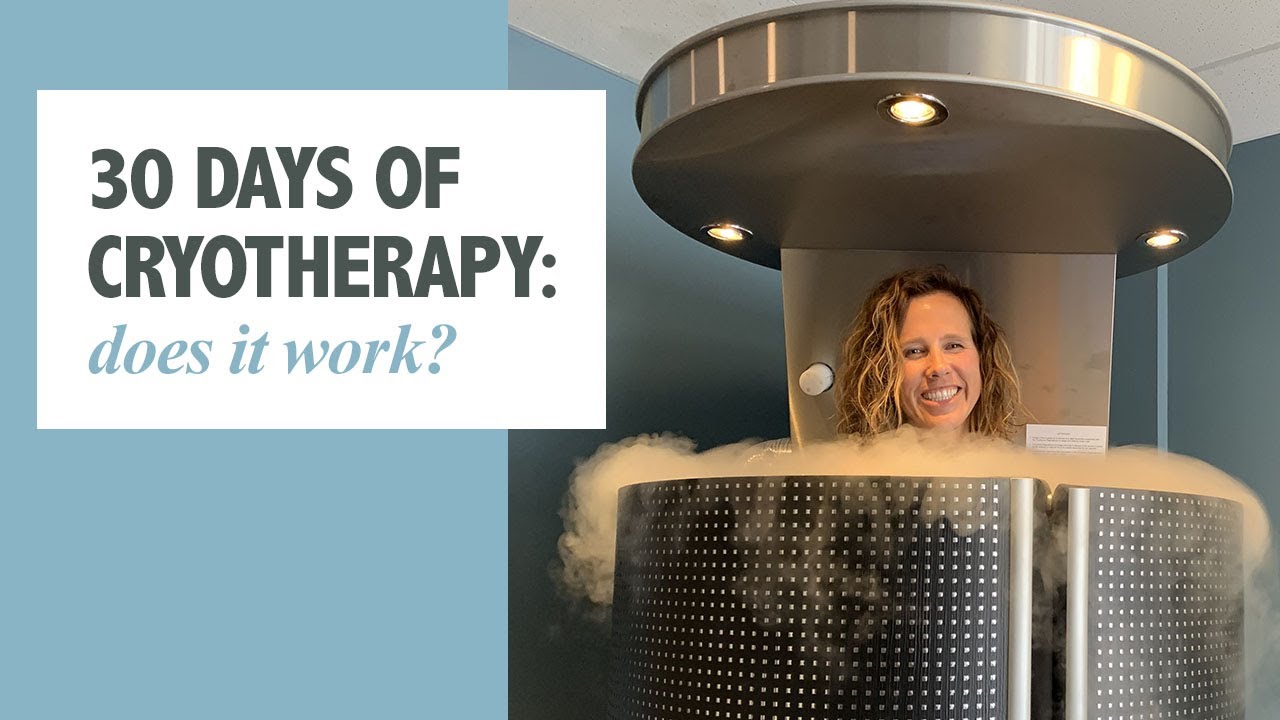
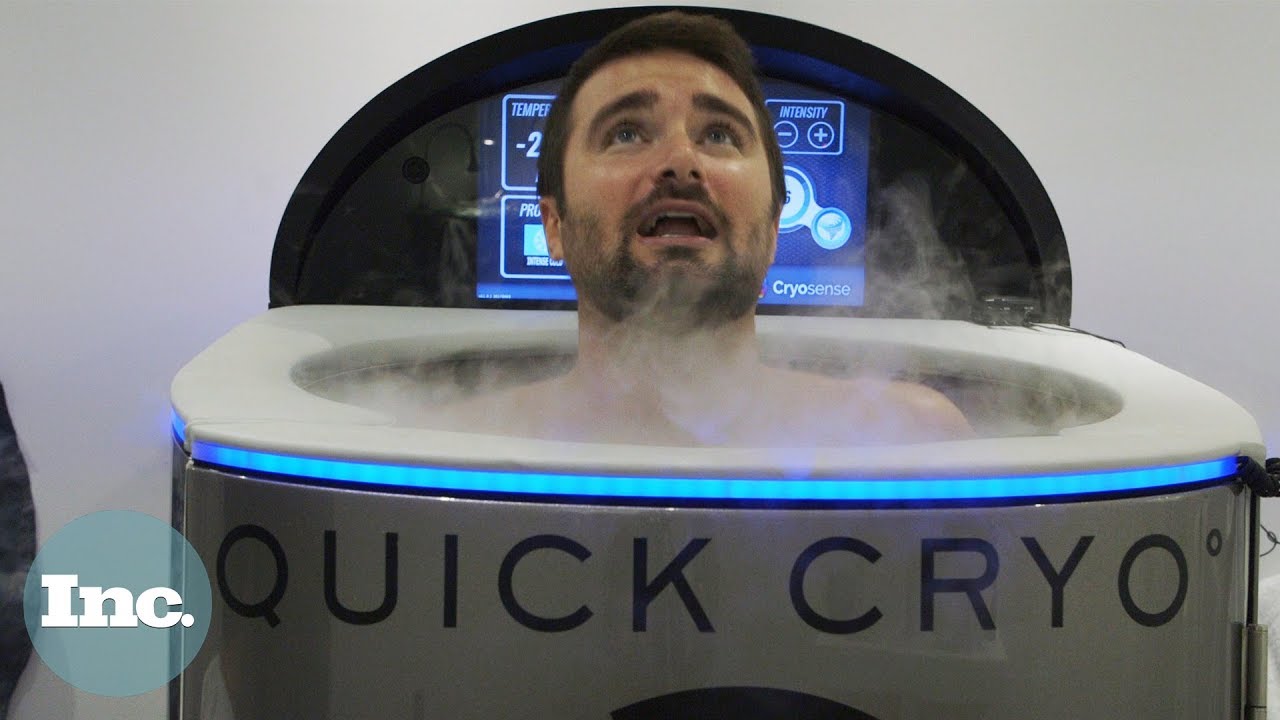
- Whole-Body Cryotherapy (WBC): This involves exposing the entire body to extremely cold temperatures, typically ranging from -200°F to -300°F, for a short duration (usually 2-4 minutes). Participants stand in a cryo chamber or cryo sauna, where liquid nitrogen or refrigerated cold air is used to lower the temperature.
- Localized Cryotherapy: This method targets specific areas of the body using devices that deliver cold air or ice packs. It is commonly used for treating injuries, reducing pain, and decreasing inflammation in targeted regions.
- Cryosurgery: A medical procedure that uses extreme cold to destroy abnormal or diseased tissue. It is often used to treat skin conditions, such as warts and skin tags, as well as certain types of cancer.
- Ice Baths and Cold Showers: These are more accessible forms of cryotherapy that involve immersing the body in cold water or taking cold showers to achieve similar benefits.
Benefits of Cryotherapy
Cryotherapy is touted for a variety of health benefits, although scientific evidence supporting some claims is still emerging. Here are some of the potential benefits:
- Pain Relief and Muscle Recovery: Cryotherapy is widely used by athletes to reduce muscle soreness and accelerate recovery after intense physical activity. The cold temperatures help numb nerve endings, reducing pain and inflammation.
- Reduced Inflammation: By constricting blood vessels and reducing blood flow to affected areas, cryotherapy can help decrease inflammation, which is beneficial for conditions like arthritis and other inflammatory disorders.
- Improved Circulation: After a cryotherapy session, the body responds by increasing blood flow to warm the body, which can improve circulation and promote healing.
- Enhanced Mood and Mental Health: Exposure to extreme cold is believed to trigger the release of endorphins, which can improve mood and reduce symptoms of anxiety and depression.
- Potential Weight Loss: Some proponents claim that cryotherapy can boost metabolism and aid in weight loss by forcing the body to work harder to maintain its core temperature.
Potential Risks and Considerations
While cryotherapy offers several potential benefits, it is not without risks. It is important to consider the following:
- Frostbite and Skin Burns: Prolonged exposure to extreme cold can lead to frostbite or skin burns. It is crucial to follow safety guidelines and limit exposure time.
- Respiratory Issues: Inhaling extremely cold air can cause respiratory problems, especially for individuals with pre-existing conditions like asthma.
- Contraindications: Cryotherapy may not be suitable for everyone. Individuals with certain medical conditions, such as cardiovascular issues, should consult a healthcare professional before undergoing cryotherapy.
- Lack of Regulation: The cryotherapy industry is not heavily regulated, which means the quality and safety of services can vary. It is important to choose reputable providers.