Ritalin / Methylphenidate
5 Most Common Side Effects on Concerta Methylphenidate in the First Month of Use and some Solutions
Microdosing, Methylphenidate Safety, & Nootropics (And More)

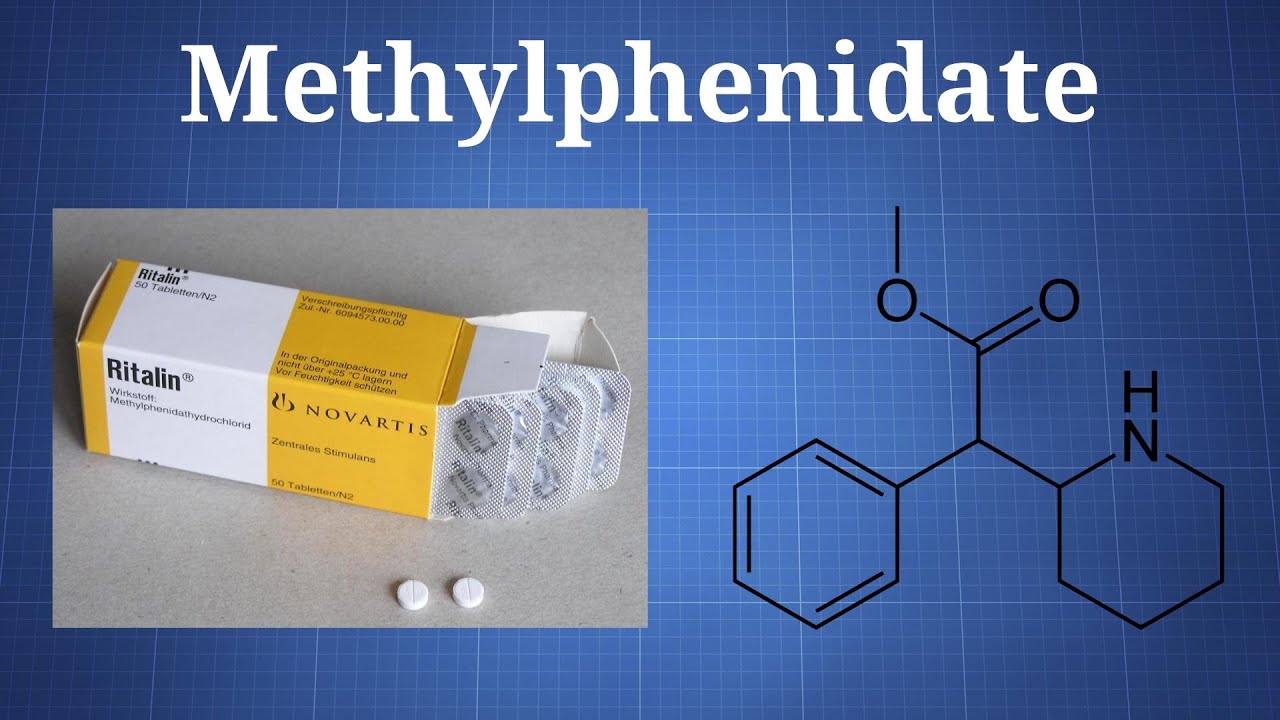
Ritalin, known generically as methylphenidate, is a central nervous system stimulant commonly prescribed to treat attention deficit hyperactivity disorder (ADHD) and narcolepsy. It has been a cornerstone in the management of ADHD, helping to improve focus, attention, and impulse control in both children and adults.
Mechanism of Action
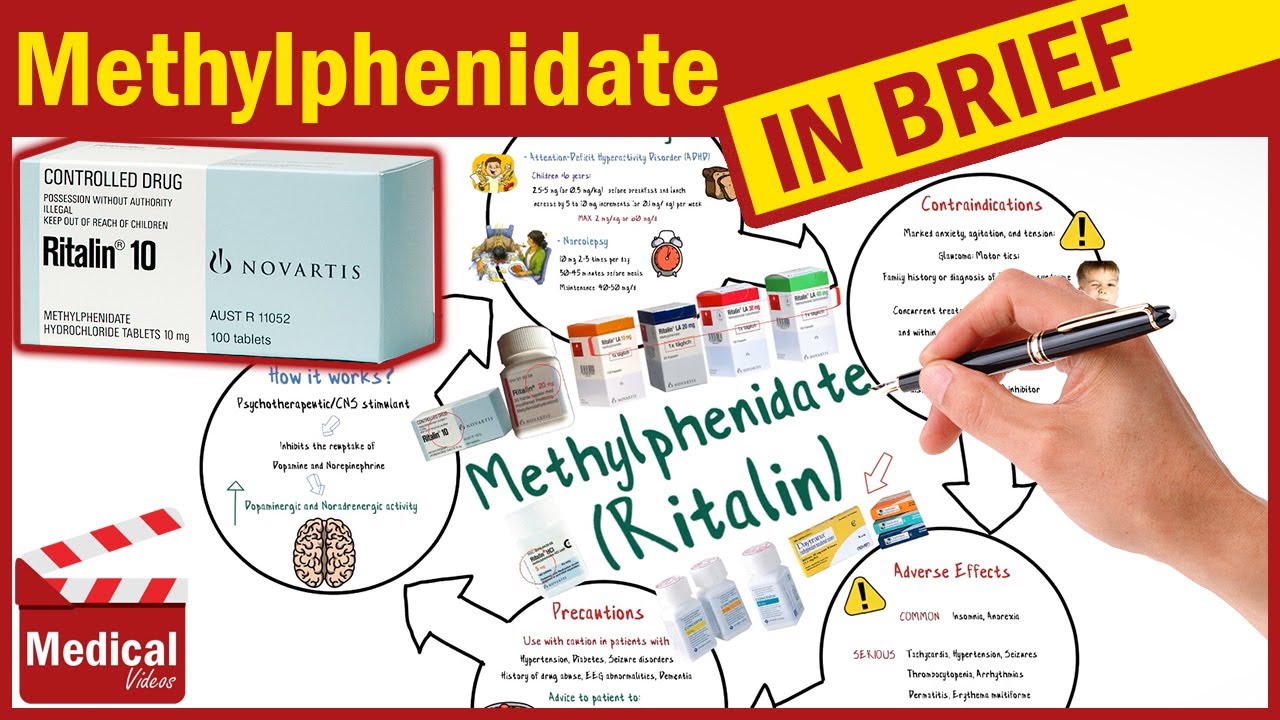
Methylphenidate works by increasing the levels of certain neurotransmitters in the brain, primarily dopamine and norepinephrine. These chemicals play a crucial role in attention and behavior regulation. By enhancing their activity, Ritalin helps to improve concentration and reduce impulsive behavior, which are common challenges faced by individuals with ADHD.
Uses of Ritalin
Ritalin is primarily used for:
- Attention Deficit Hyperactivity Disorder (ADHD):
* Ritalin is one of the most commonly prescribed medications for ADHD. It helps to improve attention span, reduce hyperactivity, and control impulsive behaviors.
- Narcolepsy:
* This condition is characterized by excessive daytime sleepiness and sudden sleep attacks. Ritalin helps to promote wakefulness and reduce the frequency of these episodes.
Benefits of Ritalin
The benefits of Ritalin are well-documented, particularly in the treatment of ADHD:
- Improved Focus and Attention:
* Ritalin helps individuals with ADHD to concentrate better on tasks, leading to improved academic and occupational performance.
- Behavioral Control:
* It aids in managing impulsive behaviors, allowing for better social interactions and relationships.
- Enhanced Quality of Life:
* By alleviating symptoms of ADHD and narcolepsy, Ritalin can significantly improve the overall quality of life for patients.
Dosage and Administration
Ritalin is available in various forms, including immediate-release and extended-release tablets. The dosage is typically tailored to the individual's needs, starting with a low dose and gradually increasing as necessary. It is crucial to follow the prescribing physician's instructions to achieve optimal results and minimize side effects.
Potential Side Effects
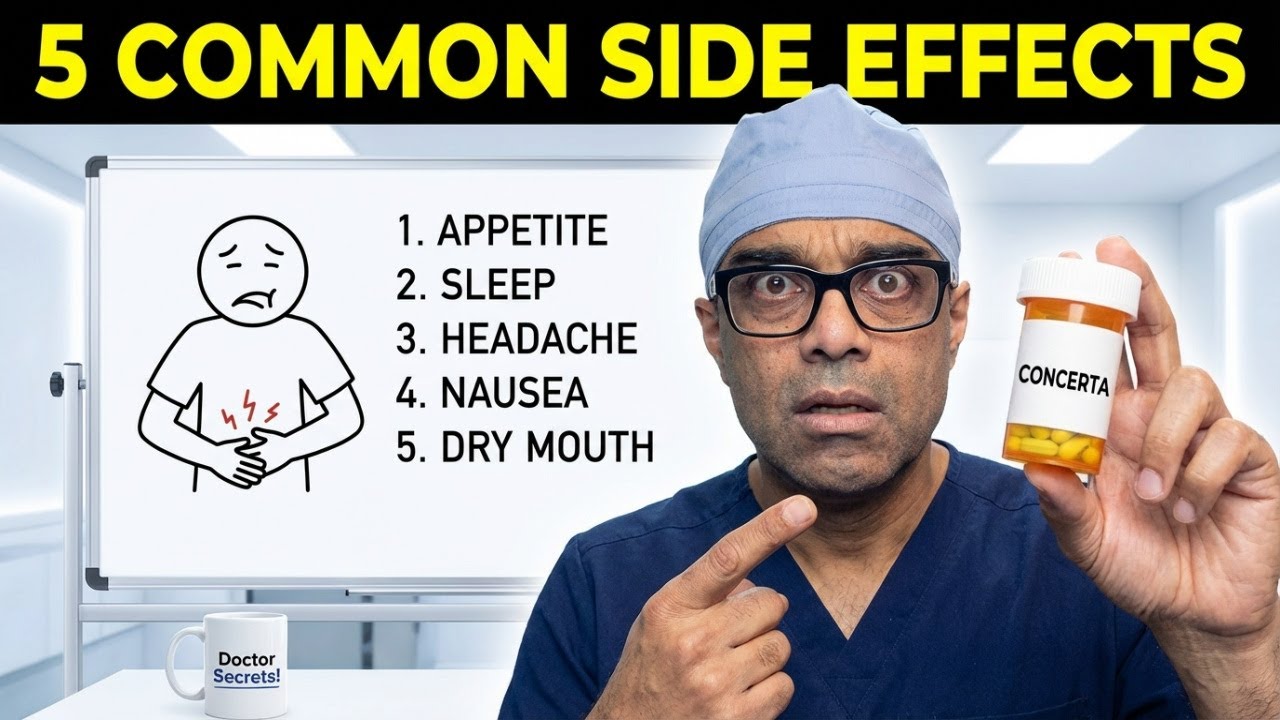
While Ritalin is effective for many, it can also cause side effects. Common side effects include:
- Appetite Loss:
* Some individuals may experience a reduced appetite, which can lead to weight loss.
- Insomnia:
* Difficulty sleeping is a common issue, especially if the medication is taken later in the day.
- Increased Heart Rate:
* Ritalin can cause an increase in heart rate and blood pressure, which should be monitored regularly.
- Mood Changes:
* Some users may experience mood swings or increased anxiety.
Precautions and Considerations
Before starting Ritalin, it is important to discuss any pre-existing health conditions with a healthcare provider. Certain conditions, such as heart problems, high blood pressure, or a history of substance abuse, may require special consideration or alternative treatments. Additionally, Ritalin should be used with caution in individuals with a history of mental health disorders, as it can exacerbate symptoms in some cases.
RITALIN AND SUBSTANCE ABUSE
Due to its stimulant properties, Ritalin has a potential for abuse and dependency. It is classified as a Schedule II controlled substance in the United States. Patients should use it strictly as prescribed and avoid sharing it with others. Misuse of Ritalin can lead to serious health risks, including cardiovascular issues and psychological dependence.
These results show that the efficacy of saffron is comparable to that of methylphenidate.