Laryngospasm
May be due to viral damage to nerves

Laryngospasm is a sudden and involuntary contraction of the vocal cords, which can lead to a temporary blockage of airflow into the lungs. This condition can be alarming due to its abrupt onset and the sensation of choking or suffocation it can cause. While it is often brief and resolves on its own, understanding its causes, symptoms, and management is crucial for those who may experience it or care for someone who does.
Causes of Laryngospasm
Laryngospasm can be triggered by various factors, often related to irritation or stimulation of the larynx. Some common causes include:
- Gastroesophageal Reflux Disease (GERD): Acid reflux can irritate the vocal cords, leading to spasms.
- Anesthesia: During surgical procedures, especially those involving the airway, laryngospasm can occur as a reflex response.
- Allergens or Irritants: Exposure to smoke, dust, or strong odors can trigger a spasm.
- Vocal Cord Dysfunction: Conditions affecting the vocal cords can predispose individuals to laryngospasm.
- Neurological Conditions: Certain neurological disorders can increase the risk of laryngospasm.
Symptoms of Laryngospasm
The hallmark symptom of laryngospasm is the sudden inability to breathe or speak, often accompanied by a high-pitched wheezing sound known as stridor. Other symptoms may include:
- Choking Sensation: A feeling of tightness or constriction in the throat.
- Coughing: An attempt to clear the airway.
- Panic or Anxiety: Due to the sudden and frightening nature of the episode.
- Cyanosis: A bluish tint to the skin, indicating a lack of oxygen, in severe cases.
Diagnosis
Diagnosing laryngospasm typically involves a clinical evaluation by a healthcare provider. The diagnosis is often based on the patient's history and the description of the episodes. In some cases, additional tests may be conducted to rule out other conditions, such as:
- Laryngoscopy: A procedure to visually examine the vocal cords.
- Pulmonary Function Tests: To assess lung function and rule out other respiratory issues.
- pH Monitoring: To detect acid reflux if GERD is suspected.
Management and Treatment
While laryngospasm episodes are usually self-limiting, there are several strategies to manage and prevent them:
- Calm Reassurance: Staying calm and reassuring the affected person can help reduce panic and facilitate relaxation of the vocal cords.
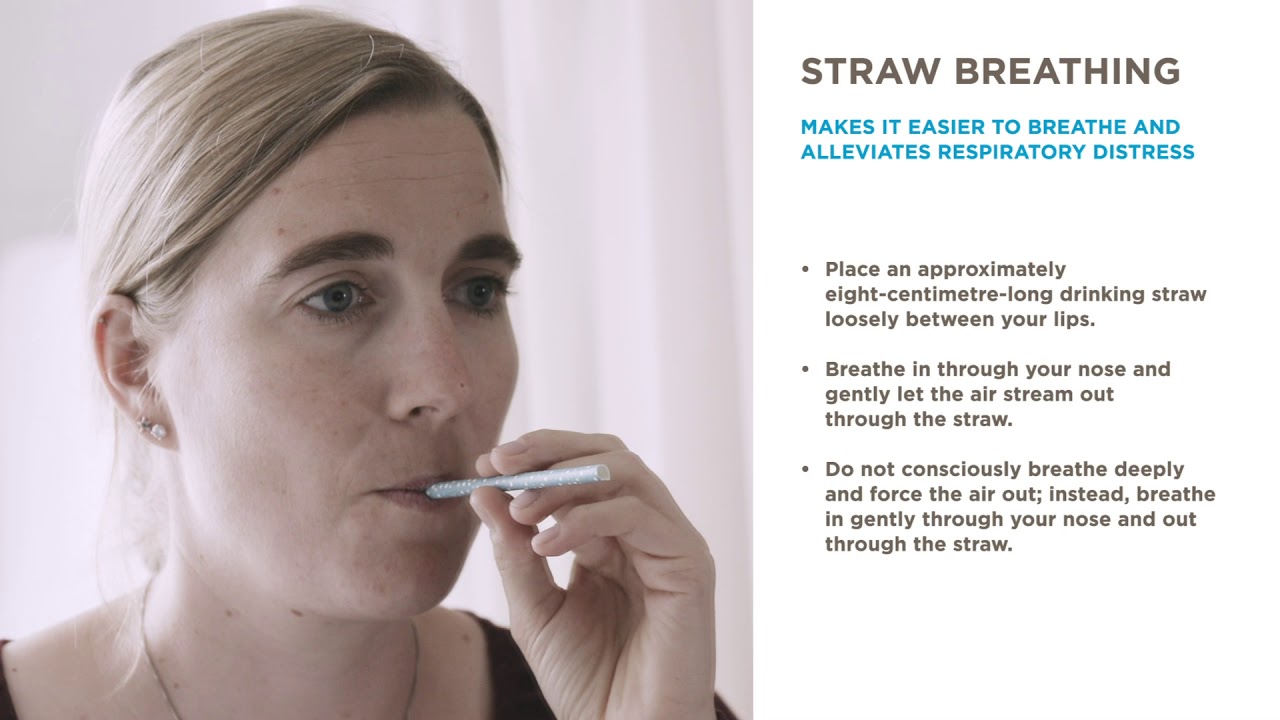
- Breathing Techniques: Encouraging slow, deep breaths through the nose can help alleviate the spasm.
- Avoiding Triggers: Identifying and avoiding known triggers, such as allergens or irritants, can prevent future episodes.
- Medications: In some cases, medications such as muscle relaxants or anti-reflux drugs may be prescribed.
- Speech Therapy: For individuals with vocal cord dysfunction, speech therapy can be beneficial in managing symptoms.
Prevention
Preventing laryngospasm involves addressing underlying conditions and avoiding known triggers. Some preventive measures include:
- Managing GERD: Through dietary changes, medications, and lifestyle modifications.
- Avoiding Irritants: Such as smoke, strong perfumes, and other airborne irritants.
- Stress Management: Techniques such as yoga or meditation can help reduce stress, which may trigger spasms.
- Regular Medical Check-ups: For individuals with known risk factors, regular monitoring by a healthcare provider is advisable.
When to Seek Medical Attention
While laryngospasm is often benign, it is important to seek medical attention if:
- The episodes are frequent or severe.
- There is a history of respiratory or neurological conditions.
- The individual experiences prolonged difficulty breathing or cyanosis.