Caucasian comfrey
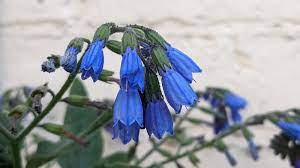
Symphytum caucasicum, commonly known as Caucasian comfrey, is a perennial flowering plant that belongs to the Boraginaceae family. This plant is native to the Caucasus region, which includes countries like Georgia, Armenia, and Azerbaijan. Symphytum caucasicum is known for its ornamental value, medicinal properties, and ecological significance.
Description and Characteristics
Caucasian comfrey is a robust plant that can reach heights of up to 3 feet. It has hairy stems and leaves, with clusters of tubular flowers that can range in color from white to pink or purple. The plant blooms in late spring to early summer, attracting pollinators such as bees and butterflies. The leaves of Symphytum caucasicum are lance-shaped and can grow up to 8 inches long.
Cultivation and Habitat
Symphytum caucasicum thrives in moist, well-drained soil and prefers partial shade to full sun. It is a hardy plant that can tolerate a wide range of soil conditions, making it suitable for various garden settings. Caucasian comfrey is often grown for its attractive flowers and foliage, adding beauty to garden borders, rock gardens, and woodland areas.
In its natural habitat, Symphytum caucasicum can be found growing in meadows, forests, and along riverbanks. It plays a vital role in supporting local ecosystems by providing food and habitat for wildlife such as bees, butterflies, and birds.
Medicinal Uses
Caucasian comfrey has a long history of medicinal use dating back to ancient times. The plant contains compounds such as allantoin, rosmarinic acid, and tannins, which are believed to have anti-inflammatory, analgesic, and wound-healing properties. In traditional medicine, Symphytum caucasicum has been used to treat a variety of ailments, including bruises, sprains, and skin conditions.
The roots and leaves of Caucasian comfrey are often used to make herbal preparations such as poultices, ointments, and teas. These remedies are applied topically to promote healing and reduce inflammation. However, it is important to note that comfrey contains pyrrolizidine alkaloids, which can be toxic if consumed in large quantities. Therefore, it is recommended to use caution and consult a healthcare professional before using comfrey for medicinal purposes.
Conservation and Sustainability
Due to its popularity in gardens and herbal medicine, Symphytum caucasicum has faced threats from overharvesting and habitat loss. Conservation efforts are underway to protect wild populations of Caucasian comfrey and promote sustainable cultivation practices. By growing Symphytum caucasicum in home gardens and supporting ethical harvesting practices, individuals can help preserve this valuable plant species for future generations.