Rupturewort
At Risk
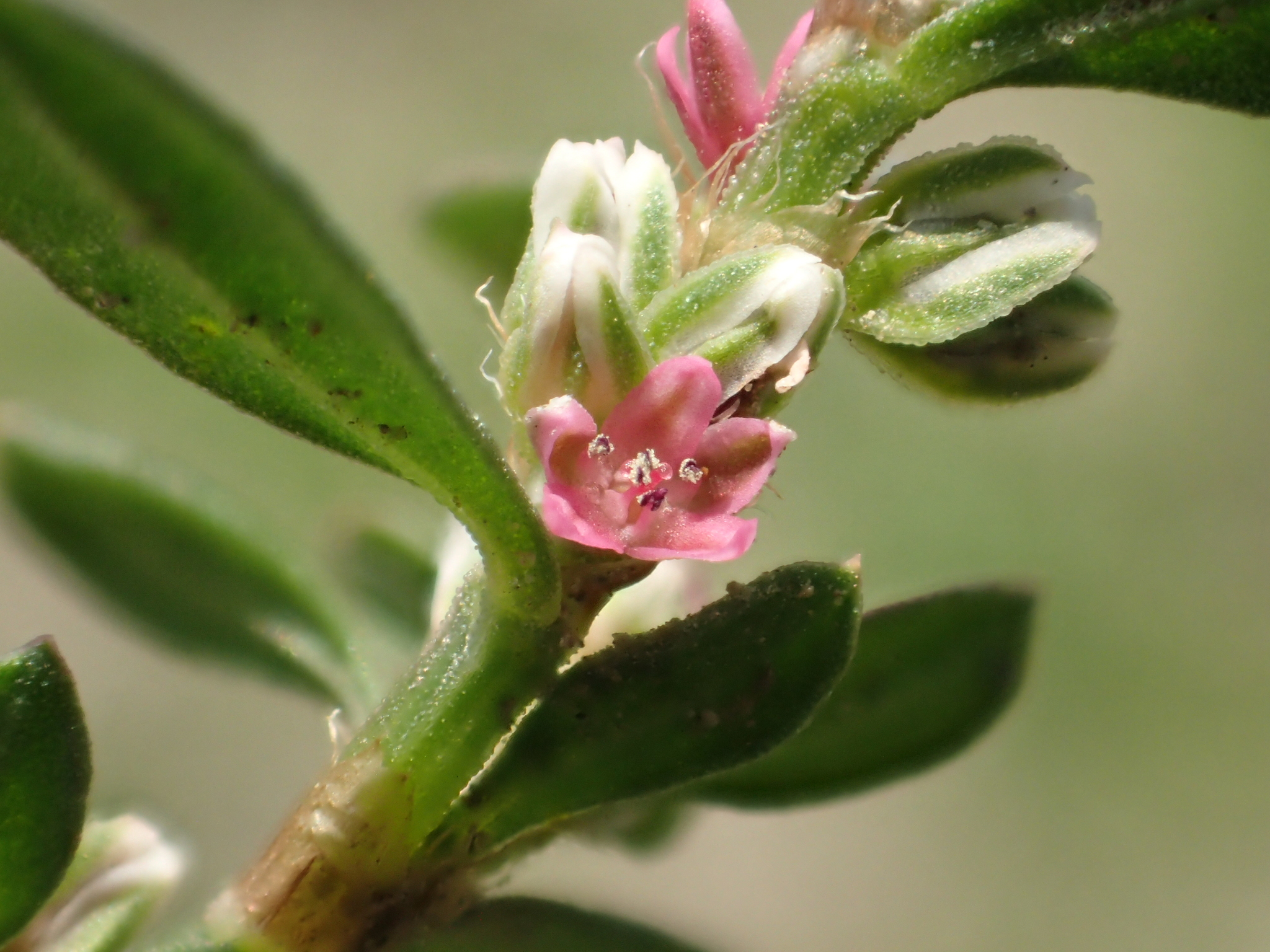
A species of flowering plant in the knotweed family, found natively throughout much of South Asia including India, in Madagascar, and introduced to the United States and Australia. It occurs in disturbed habitats that frequently are flooded, such as banks, ditches, and rice fields. It is used as a vegetable in food in some locations.
Medicinal Parts: the fresh flowering herb
Constituents
Triterpene saponins; herniaria saponins I-VII (aglycones medicagen, gypsogen, 16-hydroxy-medicagen)
Flavonoids; including hyperoside
Hydroxycoumarins; umbelliferone, herniarin
The fresh root contains 11% tannin, and oxymethylanthraquinone has also been isolated
Effects
The main active principles (saponins, flavonoids, coumarins, and smll moutns of tannins) are reported to have mild spasmolytic and diuretic effects.
Uses
Used for disorders of the efferent urinary tract, inflammatory disorders of the kidneys and ladder, respiratory disorders, nerve inflammation, gout and rheumatism, and as a blood purifier. The crushed seeds are cooked and eaten as a remedy fort bowel complaints. The roots are similarly applied.
Edible Uses
Leaves - cooked and eaten as a vegetable. They can be cooked with potatoes and groundnuts The food is slimy, but is well liked because it has a good smell. In India it is used as a famine vegetable.
Prep & Dose
Used as an infusion and in tea mixtures, as an extract in drops and in urological pharmaceutical preparations.
Infusion: Put 1.5g comminuted her (1 teaspoonful is equal to 1.4g) in cold water, bring briefly to a boil. Strain after 5 minutes.
Daily dose: drink 1 cup 2 to 3 times daily as a diuretic