Pulmonary Function Tests
Testing children
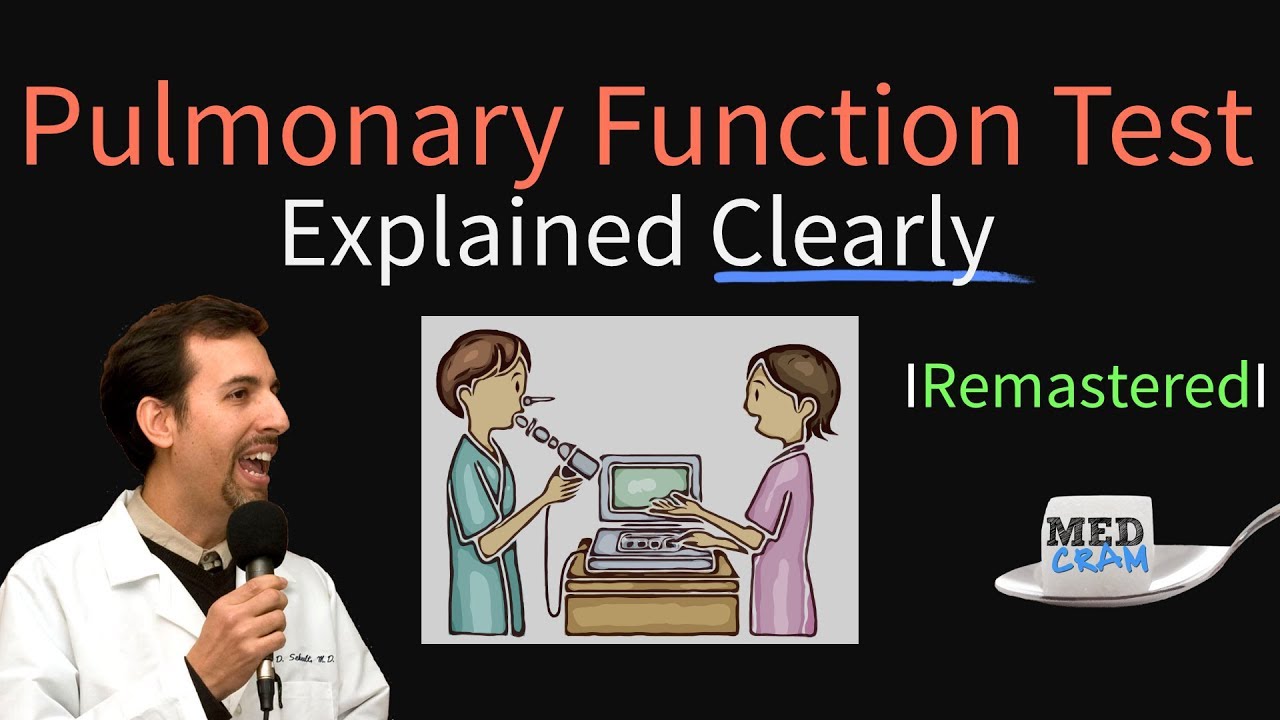
Pulmonary Function Tests (PFTs) are a group of non-invasive tests that measure how well the lungs are working. These tests are essential in diagnosing and managing respiratory conditions, providing valuable information about lung volume, capacity, rates of flow, and gas exchange. PFTs are crucial for assessing the respiratory system's health and are commonly used in clinical settings to evaluate patients with symptoms of lung disease.
Types of Pulmonary Function Tests
There are several types of PFTs, each designed to measure different aspects of lung function:
- Spirometry: This is the most common PFT and measures the amount (volume) and speed (flow) of air that can be inhaled and exhaled. It is used to diagnose conditions like asthma, chronic obstructive pulmonary disease (COPD), and other disorders that affect breathing.
- Lung Volume Tests: These tests measure the total volume of the lungs, including the volume of air remaining in the lungs after a full exhalation. Techniques such as body plethysmography and gas dilution are used to assess lung volumes.
- Diffusion Capacity Test (DLCO): This test measures how well oxygen and other gases pass from the lungs into the blood. It is particularly useful in diagnosing conditions that affect the lung's ability to transfer gases, such as pulmonary fibrosis.
- Peak Expiratory Flow (PEF): This test measures the highest speed at which air can be blown out of the lungs. It is often used in asthma management to monitor lung function over time.
- Arterial Blood Gas (ABG) Analysis: Although not a direct PFT, ABG analysis measures the levels of oxygen and carbon dioxide in the blood, providing insight into how well the lungs are functioning.
Indications for Pulmonary Function Tests
PFTs are indicated in various clinical scenarios, including:
- Diagnosing respiratory conditions such as asthma, COPD, and interstitial lung disease.
- Evaluating symptoms like chronic cough, wheezing, and shortness of breath.
- Monitoring lung function in patients with known respiratory diseases.
- Assessing the impact of occupational exposure to respiratory hazards.
- Pre-operative evaluation of patients undergoing surgery, especially thoracic surgery.
- Evaluating the effectiveness of therapeutic interventions.
Preparing for Pulmonary Function Tests
Before undergoing PFTs, patients should be aware of certain preparations to ensure accurate results:
- Avoid smoking for at least 4-6 hours before the test.
- Refrain from consuming heavy meals before the test, as a full stomach can affect lung function.
- Wear loose-fitting clothing to allow for comfortable breathing.
- Follow specific instructions regarding the use of bronchodilators or other medications, as advised by the healthcare provider.
Interpreting Pulmonary Function Test Results
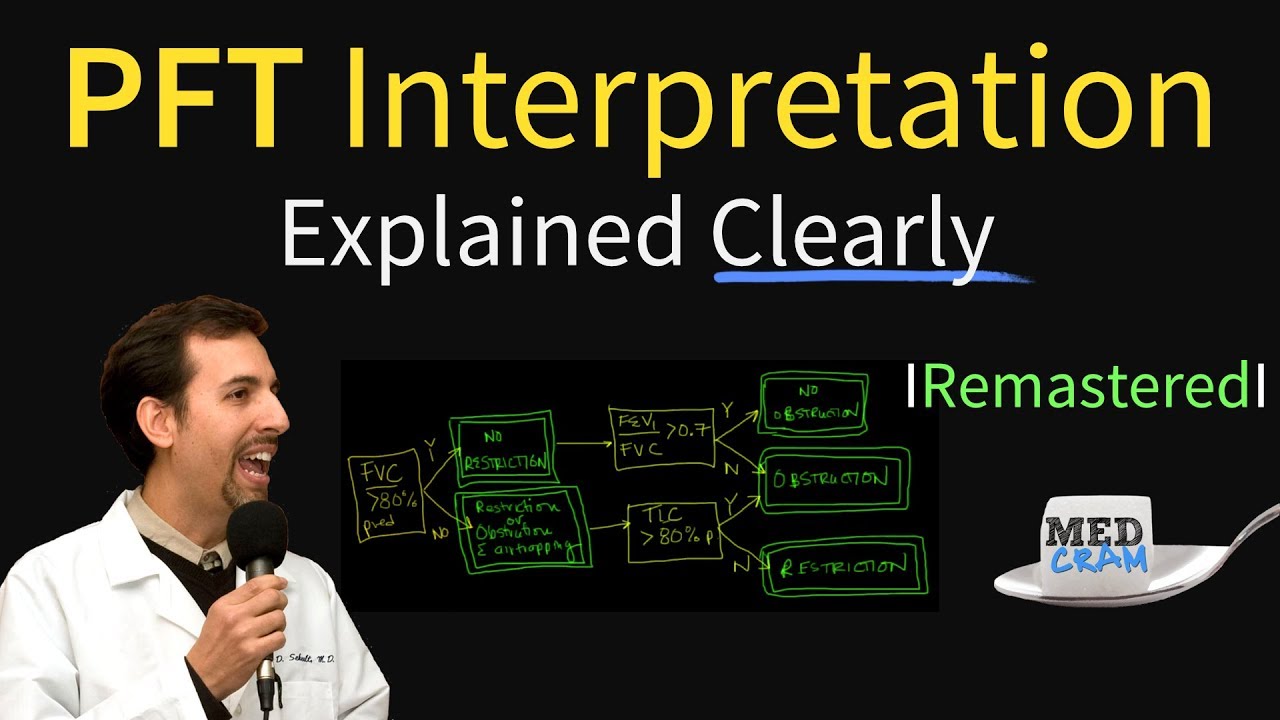
The results of PFTs are interpreted by comparing the patient's values to predicted values based on age, gender, height, and ethnicity. Key parameters include:
- Forced Vital Capacity (FVC): The total amount of air exhaled during the spirometry test. Reduced FVC may indicate restrictive lung disease.
- Forced Expiratory Volume in 1 Second (FEV1): The amount of air exhaled in the first second of the FVC test. A low FEV1 suggests obstructive lung disease.
- FEV1/FVC Ratio: This ratio helps differentiate between obstructive and restrictive lung diseases. A reduced ratio is indicative of obstructive lung disease.
- Total Lung Capacity (TLC): The total volume of air in the lungs after a maximal inhalation. Decreased TLC is associated with restrictive lung disease.
- Diffusion Capacity (DLCO): A reduced DLCO indicates impaired gas exchange, often seen in conditions like emphysema or pulmonary fibrosis.
Limitations and Considerations
While PFTs provide valuable information, they have limitations:
- Results can be affected by patient effort and cooperation.
- Certain conditions, such as upper airway obstruction, may not be detected by standard PFTs.
- Interpretation requires expertise and should be considered alongside clinical findings and other diagnostic tests.