Viola (genus)
VIDEOS:
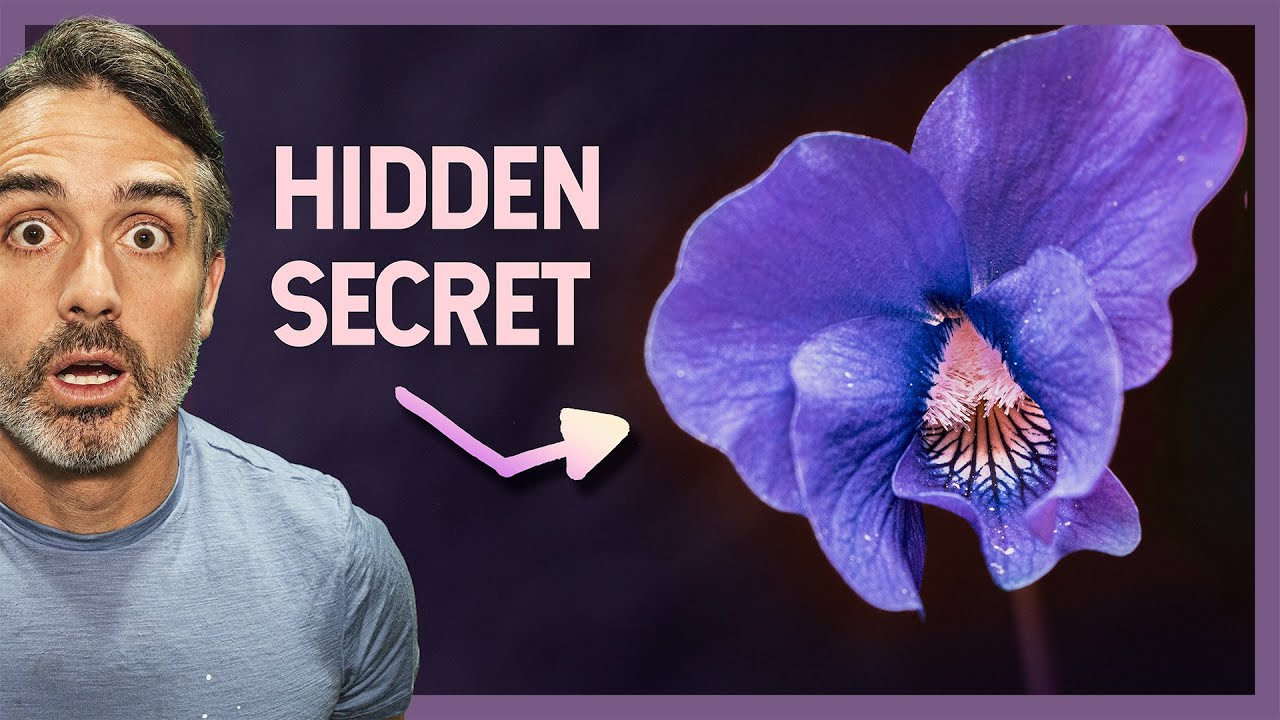

Edible Spring Greens & Flowers
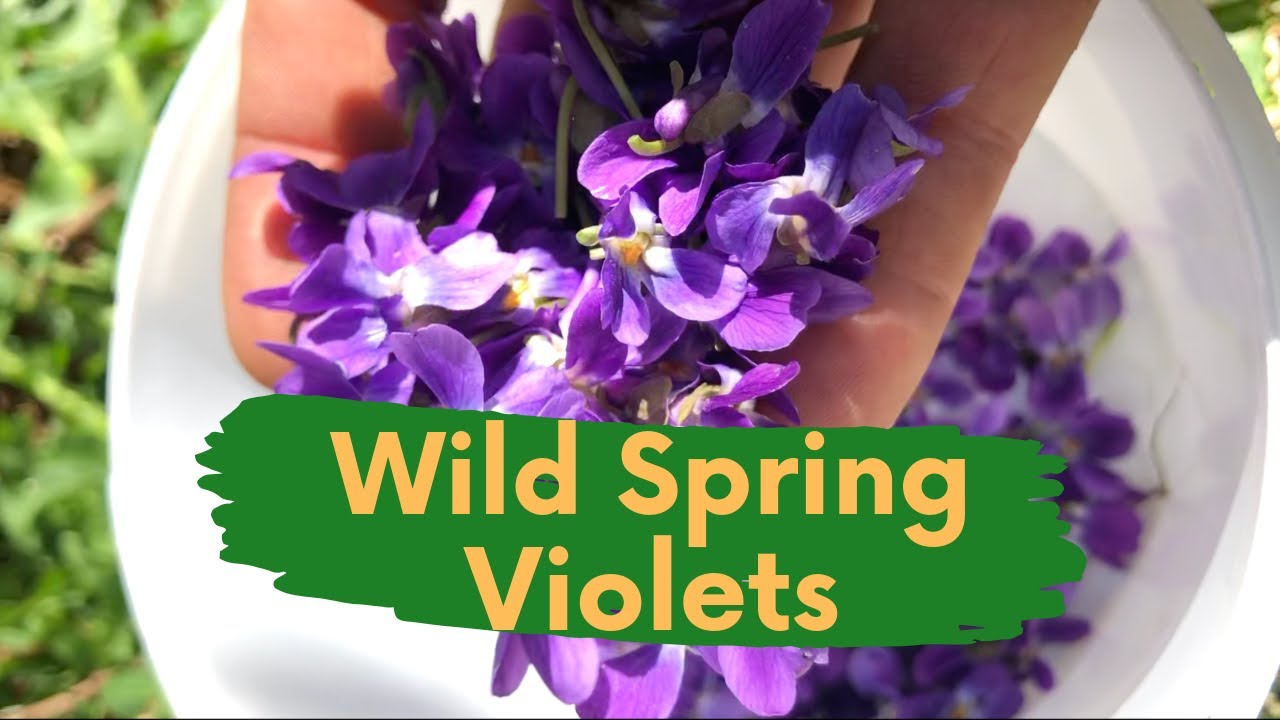
Difference between pansies and violas

The Viola genus, commonly known as violets, is a diverse and widespread group of flowering plants belonging to the family Violaceae. This genus is notable for its charming and often fragrant flowers, which have captivated gardeners, botanists, and flower enthusiasts for centuries. With over 500 species, Viola exhibits a remarkable variety of forms, colors, and habitats.
Taxonomy and Classification
The Viola genus is part of the Violaceae family, which includes around 25 genera. Within the genus Viola, species are categorized into several sections based on morphological characteristics and genetic studies. Some of the well-known sections include:
- Viola: This section includes the common blue violets and many other species.
- Melanium: Known for the pansies, this section features species with larger and more colorful flowers.
- Chamaemelanium: Includes species adapted to alpine and arctic environments.
Morphological Characteristics
Viola species exhibit a range of morphological traits, but they share some common features:
- Leaves: Typically heart-shaped or rounded, with serrated or smooth edges. Leaves can be basal or arranged along the stem.
- Flowers: Usually five-petaled, with a distinctive spur at the back. The flowers come in various colors, including purple, blue, yellow, white, and bi-colored.
- Fruit: The fruit is a capsule that splits open to release seeds. Some species have explosive seed dispersal mechanisms.
Habitat and Distribution
Viola species are found in a wide range of habitats, from temperate forests and meadows to alpine regions and tropical rainforests. They are distributed across the globe, with a significant presence in North America, Europe, and Asia. Some species are adapted to specific ecological niches, such as:
- Woodland Violets: Thrive in shaded, moist environments.
- Meadow Violets: Prefer open, sunny areas with well-drained soil.
- Alpine Violets: Adapted to high-altitude conditions with cold temperatures and rocky soils.
Ecological Importance
Violets play a crucial role in their ecosystems. They are a food source for various insects, including bees, butterflies, and moths. The flowers' nectar and pollen attract pollinators, while the leaves serve as larval food for certain butterfly species, such as the fritillary butterflies. Additionally, violets contribute to soil health by preventing erosion and improving soil structure with their root systems.
Cultivation and Uses
Violets have been cultivated for ornamental purposes for centuries. They are popular in gardens and landscapes due to their attractive flowers and ease of care. Some common uses include:
- Garden Borders: Violets are often used as ground cover or in garden borders for their colorful blooms.
- Container Gardening: Many species and hybrids are suitable for growing in pots and containers.
- Perfume Industry: The fragrant flowers of certain species, such as Viola odorata (sweet violet), are used in the production of perfumes and essential oils.
- Culinary Uses: Violets are edible and can be used to garnish salads, desserts, and beverages. Candied violets are a popular confection.
Conservation and Threats
While many Viola species are common and widespread, some are threatened by habitat loss, climate change, and invasive species. Conservation efforts are essential to protect these plants and their habitats. Strategies include:
- Habitat Preservation: Protecting natural habitats from development and degradation.
- Seed Banks: Collecting and storing seeds of rare and endangered species for future restoration efforts.
- Public Awareness: Educating the public about the importance of violets and the need for conservation.
Interesting Facts
- The genus name Viola is derived from the Latin word for violet.
- Violets have been used in traditional medicine for their purported anti-inflammatory and soothing properties.
- In folklore, violets are often associated with love and modesty.