Willow dock
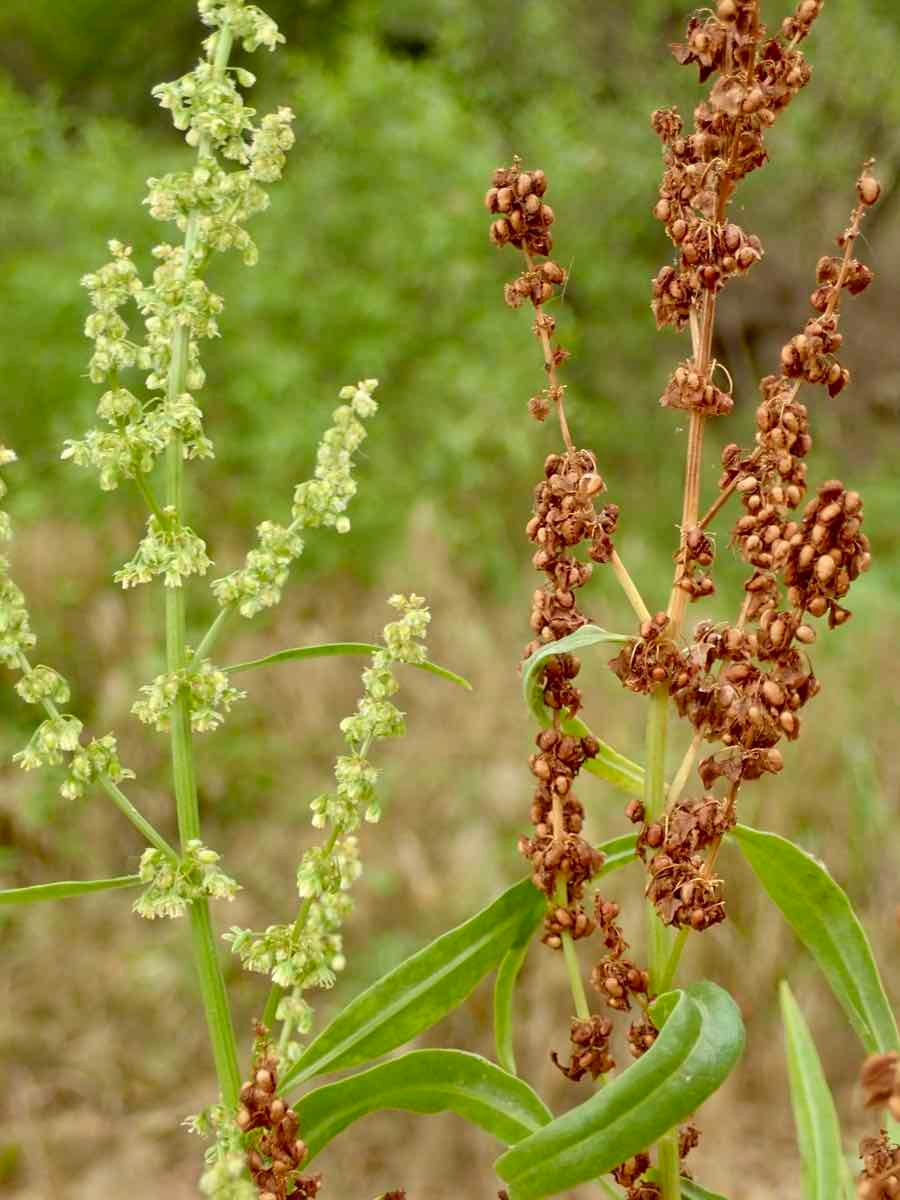
Rumex salicifolius, commonly known as willow-leaved dock or narrow-leaved dock, is a versatile plant that belongs to the Polygonaceae family. Native to Europe and Western Asia, this herbaceous perennial has gained popularity for its various medicinal properties.
- Appearance and Habitat
* Rumex salicifolius is characterized by its slender, lance-shaped leaves that resemble those of a willow tree, hence the common name "willow-leaved dock." The leaves are typically green or reddish-green, and they grow in a basal rosette pattern.
* This plant produces tall, erect stems that can reach up to 1 meter in height. The stems are topped with clusters of small, greenish-yellow flowers, which bloom from late spring to early summer.
* In its natural habitat, Rumex salicifolius can be found in meadows, grasslands, and open woodlands. It prefers well-drained soils and is often seen growing near streams or other water sources.
- Medicinal Uses
* Rumex salicifolius has a long history of medicinal use, particularly in traditional European herbal medicine. The plant contains various bioactive compounds, including tannins, flavonoids, and anthraquinones, which contribute to its therapeutic properties.
* One of the primary traditional uses of Rumex salicifolius is as a natural remedy for digestive disorders. The plant's astringent properties help soothe and tone the digestive system, making it useful for alleviating symptoms such as indigestion, bloating, and diarrhea.
* Additionally, Rumex salicifolius has been used as a diuretic, aiding in the elimination of excess fluid from the body. This property can be beneficial for individuals with edema or urinary tract infections.
* Some studies have also suggested that Rumex salicifolius may possess anti-inflammatory and antioxidant effects. These properties could potentially make it useful in the treatment of inflammatory conditions, such as arthritis, and in protecting against oxidative stress-related diseases.
* It is important to note that while Rumex salicifolius has a history of traditional use, further scientific research is needed to fully understand its medicinal potential and determine appropriate dosage and safety guidelines.
- Culinary and Other Uses
* Beyond its medicinal properties, Rumex salicifolius has culinary applications as well. The young leaves of the plant can be consumed raw or cooked and are often used as a salad green or added to soups and stews. They have a slightly tangy flavor, reminiscent of sorrel.
* In some regions, Rumex salicifolius is also cultivated as a forage crop for livestock. The leaves provide a nutritious food source for animals, and the plant's ability to tolerate grazing makes it a valuable addition to pastures.
* Additionally, Rumex salicifolius has ornamental value due to its attractive foliage and flowers. It can be grown in gardens or containers, adding visual interest and a touch of nature to outdoor spaces.