TENS unit
iRelieve Tens Units
Videos

Difference between TENS and Muscle Stimulation
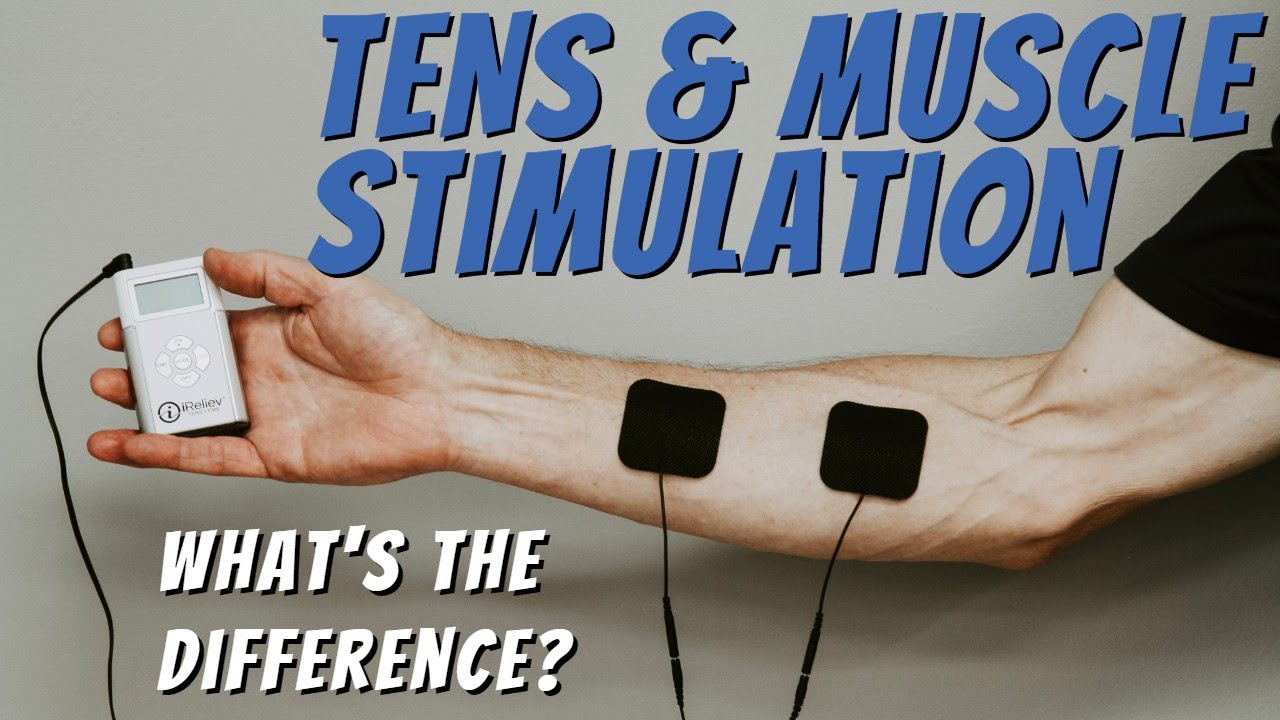
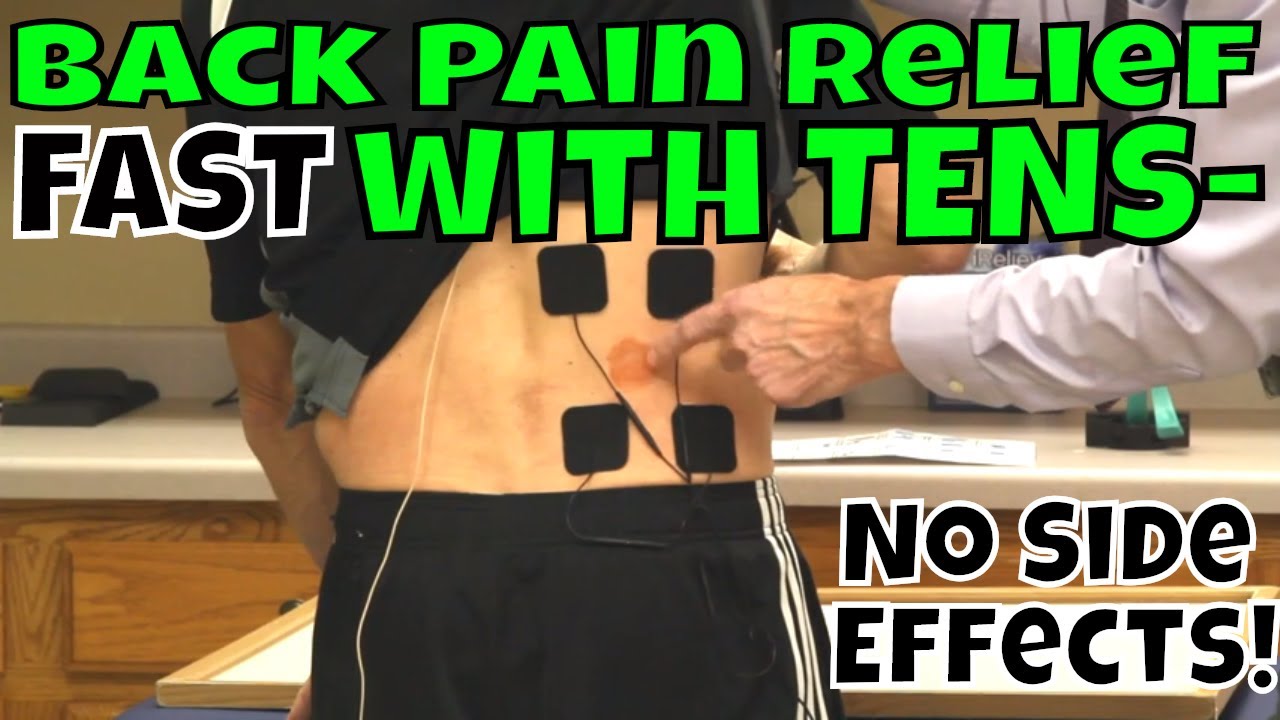
What is TENS (Transcutaneous Electric Nerve Stimulation)? How Does It Work?
NEW! WIRELESS TENS for Pain Relief; Can Treat 2 Locations at Once
Is TENS safe to use for Pain Control?
Will Either TENS or EMS Help With Healing of An Area?
How Do I Obtain a TENS Unit For Pain? Do I Need A Prescription? Will Insurance Pay For It?
What Type of TENS Unit Should You Get For Controlling Your Pain?
Taking Care of Your TENS Pads Make Sticky Again & Last Longer. Are They Wore Out?
Step By Step: How to Use A Simple Inexpensive TENS Unit For Pain Control. The iReliev 1313
Step By Step: How to Use A Simple TENS Unit for Pain Control iReliev 8080
Step by Step: How to Use a Wireless TENS Unit For Pain Control: The iReliev 5050
Still Not Sure if a TENS Unit Will Help Your Pain? Try This Instead.
Using a TENS Unit? Where Should You Place the Pads to Stop Your Pain?
What is the Best Program to Use on My TENS Unit For My Type of Pain?
How to Use a TENS Unit With Knee Pain. Correct Pad Placement
How to Use a TENS With Shoulder Pain. Correct Pad Placement
How to Use A TENS Unit With Elbow Pain. Correct Pad Placement
How to Use A TENS Unit With Hamstring Pain or Strain. Correct Pad Placement
How to Use A TENS Unit With Shin Pain (Lower Leg Pain) Correct Pad Placement
How to Use a TENS Unit With Foot Pain (Top, Heel, Plantar Fasciitis) Correct Pad Placement
How to Use a TENS Unit With Hip Pain (Side & Front) Correct Pad Placement
How to Use a TENS Unit With Buttock Pain - Correct Pad Placement
How to Use a TENS Unit With Low Back Pain. Correct Pad Placement
How to Use a TENS Unit With Mid Back Pain. Correct Pad Placement
Using a TENS Unit After Stroke, With Multiple Sclerosis, Fibromyalgia, CRPS, RSD
How to Use A TENS Unit With Quadricep Strain or Tendonitis. Correct Pad Placement
Transcutaneous Electrical Nerve Stimulation (TENS) units are a popular tool in the realm of healing therapies, particularly for pain management. These devices are small, portable, and battery-operated, designed to deliver electrical impulses through electrodes placed on the skin. The primary goal of a TENS unit is to provide relief from pain by stimulating the nerves and altering the perception of pain signals sent to the brain.
How TENS Units Work
TENS units operate by sending low-voltage electrical currents through the skin to stimulate the nerves in the affected area. This stimulation can help to:
- Block pain signals from reaching the brain.
- Trigger the release of endorphins, the body's natural painkillers.
- Improve blood circulation in the targeted area, promoting healing.
The electrical impulses are adjustable in terms of intensity, frequency, and duration, allowing users to customize their treatment based on their specific needs and comfort levels.
Applications of TENS Units
TENS units are used in a variety of therapeutic settings and can be beneficial for managing different types of pain, including:
- Chronic Pain: Conditions such as arthritis, fibromyalgia, and back pain can be alleviated with regular TENS therapy.
- Acute Pain: Post-surgical pain or pain from injuries can be managed effectively with TENS units.
- Muscle Pain: Athletes and individuals with muscle strains or spasms often use TENS units to reduce discomfort and promote recovery.
- Neuropathic Pain: TENS therapy can be helpful for nerve-related pain, such as that experienced in diabetic neuropathy.
Benefits of Using TENS Units
The use of TENS units in healing therapies offers several advantages:
- Non-Invasive: TENS therapy is a non-invasive method of pain relief, making it an attractive option for those who wish to avoid medications or surgical interventions.
- Portable and Convenient: The compact size of TENS units allows for easy use at home, work, or on the go.
- Customizable Treatment: Users can adjust the settings to suit their pain levels and preferences, providing a personalized therapy experience.
- Minimal Side Effects: Unlike medications, TENS therapy typically has few side effects, making it a safer alternative for many individuals.
Considerations and Precautions
While TENS units are generally safe, there are some considerations and precautions to keep in mind:
- Consultation with a Healthcare Provider: Before starting TENS therapy, it is advisable to consult with a healthcare professional, especially for individuals with underlying health conditions or those who are pregnant.
- Proper Electrode Placement: Correct placement of electrodes is crucial for effective pain relief. Users should follow the manufacturer's instructions or seek guidance from a healthcare provider.
- Avoiding Certain Areas: Electrodes should not be placed on broken skin, over the eyes, or near the heart. Additionally, individuals with pacemakers or other implanted devices should avoid using TENS units.
Integrating TENS Units into Healing Therapies
TENS units can be an integral part of a comprehensive pain management plan. They are often used in conjunction with other therapies, such as:
- Physical Therapy: TENS therapy can complement physical therapy exercises by reducing pain and improving mobility.
- Massage Therapy: Combining TENS therapy with massage can enhance relaxation and pain relief.
- Acupuncture: Some practitioners integrate TENS units with acupuncture to enhance the therapeutic effects.