Foot Drop

BEST 3 Exercises for Foot Drop; Return to Normal Walking -
10 exercises
Foot drop, also known as drop foot, is a condition characterized by difficulty in lifting the front part of the foot. This condition can lead to a distinctive gait, often described as a "steppage" gait, where individuals may need to lift their knees higher than usual to prevent the foot from dragging on the ground. Foot drop is not a disease in itself but rather a symptom of an underlying problem, often related to nerve or muscle disorders.
Causes of Foot Drop
Foot drop can result from a variety of causes, which can be broadly categorized into neurological, muscular, and anatomical issues:
Neurological Causes
- Peroneal Nerve Injury: The most common cause of foot drop is damage to the peroneal nerve, which controls the muscles responsible for lifting the foot. This nerve can be injured due to trauma, prolonged pressure, or surgical complications.
- Neurological Disorders: Conditions such as multiple sclerosis (MS), amyotrophic lateral sclerosis (ALS), and stroke can affect the nerves and muscles involved in foot movement, leading to foot drop.
- Peripheral Neuropathy: Diabetes and other systemic diseases can cause peripheral neuropathy, which may result in foot drop due to nerve damage.
Muscular Causes
- Muscular Dystrophy: This group of genetic diseases causes progressive weakness and loss of muscle mass, which can affect the muscles involved in foot movement.
- Poliomyelitis: Although rare due to vaccination, polio can cause muscle weakness and paralysis, including the muscles that lift the foot.
Anatomical Causes
- Spinal Cord Injuries: Damage to the spinal cord can disrupt the nerve signals to the muscles, leading to foot drop.
- Herniated Disc: A herniated disc in the lower back can compress nerves that control the muscles of the foot and ankle.
Symptoms of Foot Drop
The primary symptom of foot drop is the inability to lift the front part of the foot, which can lead to:
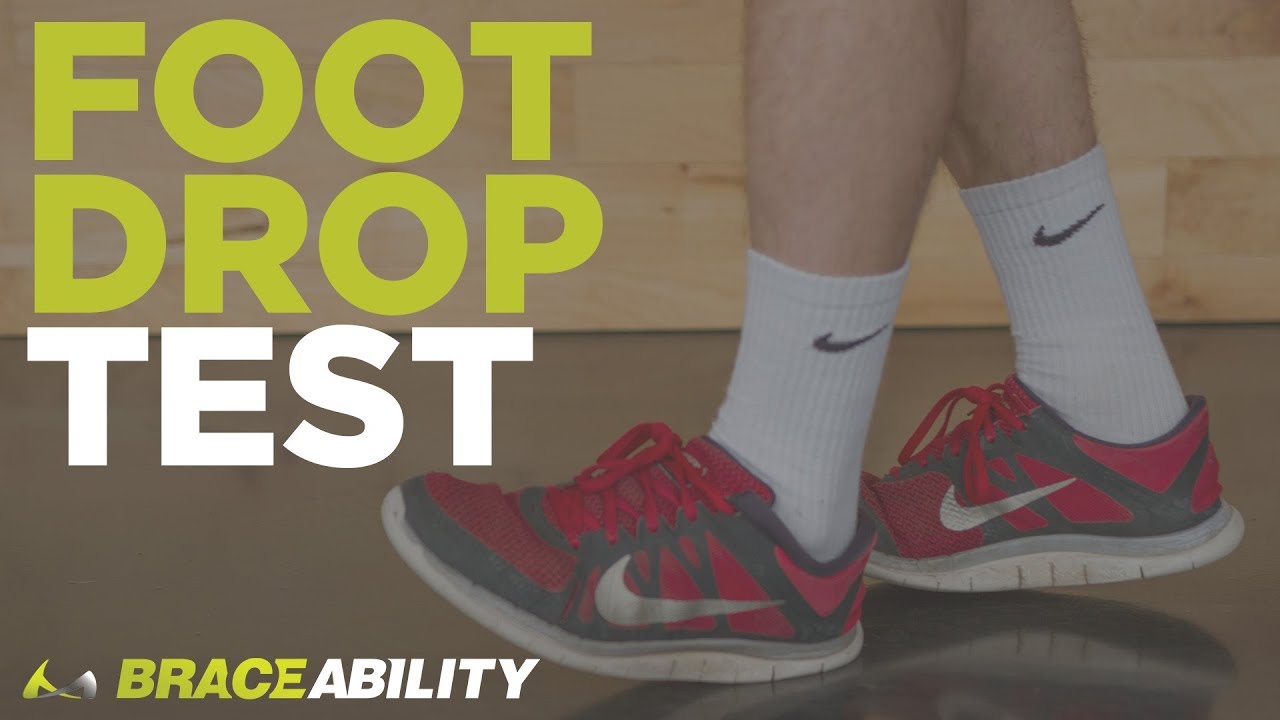
- A high-stepping gait to avoid dragging the toes.
- Tripping or falling due to the inability to clear the foot from the ground.
- Numbness or tingling in the foot or toes.
- Weakness in the foot or ankle.
Diagnosis of Foot Drop
Diagnosing foot drop involves a comprehensive evaluation to determine the underlying cause. This may include:
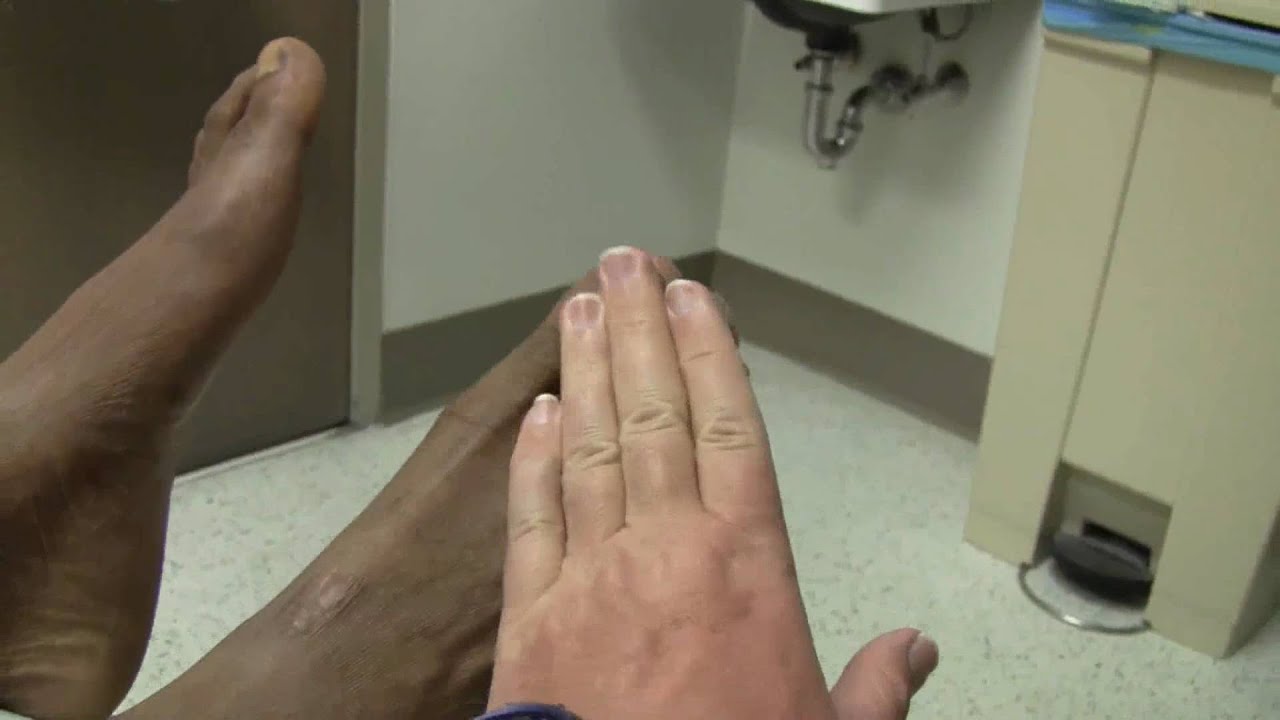
- Physical Examination: A healthcare provider will assess the range of motion, muscle strength, and reflexes in the foot and leg.
- Electromyography (EMG): This test measures the electrical activity of muscles and can help identify nerve or muscle disorders.
- Nerve Conduction Studies: These tests evaluate the speed and strength of signals traveling through the nerves.
- Imaging Tests: MRI or CT scans may be used to visualize the spine, brain, or other areas to identify structural causes of nerve compression or damage.
Treatment Options for Foot Drop
The treatment for foot drop depends on the underlying cause and may include:
Non-Surgical Treatments
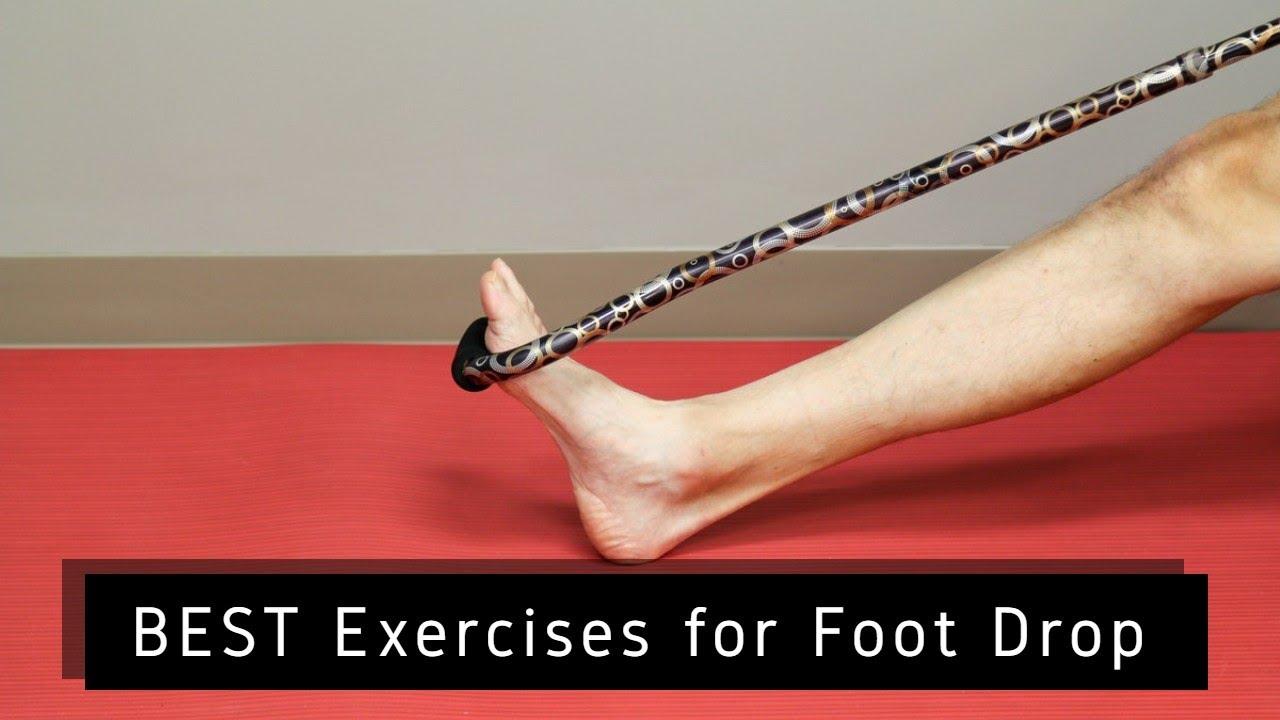
- Physical Therapy: Exercises to strengthen the muscles and improve range of motion can be beneficial. Therapists may also teach gait training techniques to improve walking.
- Braces or Splints: An ankle-foot orthosis (AFO) can help hold the foot in a normal position, preventing it from dragging.
- Nerve Stimulation: Functional electrical stimulation (FES) devices can be used to stimulate the nerves and muscles, aiding in foot movement.
Surgical Treatments
- Nerve Surgery: In cases where nerve damage is the cause, surgical intervention may be necessary to repair or decompress the nerve.
- Tendon Transfer: This procedure involves transferring a tendon from another part of the body to the foot to restore movement.
Living with Foot Drop
Managing foot drop involves adapting to the condition and making lifestyle changes to prevent complications:
- Home Modifications: Removing tripping hazards, using non-slip mats, and installing handrails can help prevent falls.
- Footwear: Wearing shoes with good support and a wide toe box can improve stability and comfort.
- Assistive Devices: Canes or walkers may be used to provide additional support and balance.
Prognosis and Outlook
The outlook for individuals with foot drop varies depending on the cause and severity of the condition. In some cases, foot drop may improve with treatment, while in others, it may be a permanent condition. Early diagnosis and intervention are crucial for the best possible outcome.