Thiazide diuretics
Thiazide refers to both a class of sulfur-containing organic molecules and a class of diuretics based on the chemical structure of benzothiadiazine. The thiazide drug class was discovered and developed at Merck and Co. in the 1950s. The first approved drug of this class, chlorothiazide, was marketed under the trade name Diuril beginning in 1958. In most countries, thiazides are the least expensive antihypertensive drugs available.
Videos

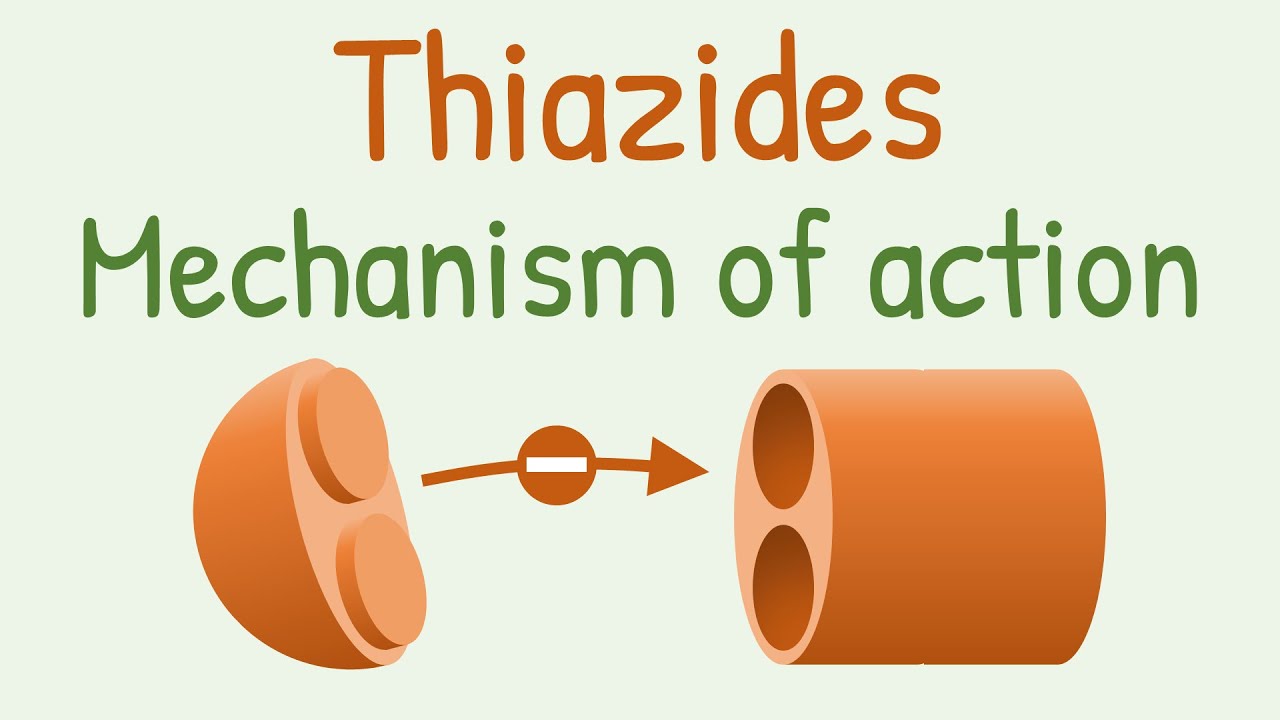
Thiazide diuretics are a class of medications commonly used to treat hypertension (high blood pressure) and edema (swelling due to fluid retention). These drugs are often prescribed as a first-line treatment for hypertension due to their efficacy, safety profile, and cost-effectiveness. They work by affecting the kidneys, promoting the excretion of sodium and water, which helps to lower blood pressure and reduce fluid buildup.
Mechanism of Action
Thiazide diuretics function by inhibiting the sodium-chloride symporter in the distal convoluted tubule of the nephron in the kidneys. This action reduces the reabsorption of sodium and chloride ions, leading to increased excretion of these ions in the urine. As a result, water follows the sodium out of the body, decreasing blood volume and, consequently, blood pressure. This diuretic effect also helps in reducing edema associated with conditions like heart failure, liver cirrhosis, and certain kidney disorders.
Common Thiazide Diuretics
Several thiazide diuretics are available, each with slightly different properties. Some of the most commonly prescribed include:
- Hydrochlorothiazide (HCTZ): Often used in combination with other antihypertensive agents.
- Chlorthalidone: Known for its longer duration of action compared to HCTZ.
- Indapamide: Has additional vasodilatory effects, which can further aid in lowering blood pressure.
- Metolazone: Sometimes used in patients with renal impairment due to its potent diuretic effect.
Clinical Uses
Thiazide diuretics are primarily used for:
- Hypertension: They are effective in reducing systolic and diastolic blood pressure, making them a staple in hypertension management.
- Edema: Useful in treating edema associated with heart failure, liver cirrhosis, and nephrotic syndrome.
- Calcium Nephrolithiasis: By reducing urinary calcium excretion, thiazides can help prevent the formation of calcium-containing kidney stones.
Benefits and Advantages
Thiazide diuretics offer several benefits:
- Cost-Effectiveness: Generally inexpensive, making them accessible for long-term use.
- Proven Efficacy: Extensive research supports their effectiveness in reducing cardiovascular events related to hypertension.
- Combination Therapy: Can be combined with other antihypertensive agents to enhance blood pressure control.
Potential Side Effects
While thiazide diuretics are generally well-tolerated, they can cause some side effects, including:
- Electrolyte Imbalance: Hypokalemia (low potassium levels) is a common concern, which may require potassium supplementation or dietary adjustments.
- Hypercalcemia: Increased calcium levels in the blood, which can be beneficial for some but problematic for others.
- Hyperglycemia: May affect blood sugar levels, requiring monitoring in diabetic patients.
- Hyperuricemia: Can lead to gout in susceptible individuals due to increased uric acid levels.
Considerations and Precautions
When prescribing thiazide diuretics, healthcare providers consider several factors:
- Renal Function: Thiazides are less effective in patients with severe renal impairment, except for metolazone.
- Electrolyte Monitoring: Regular monitoring of electrolytes, especially potassium, is essential to prevent complications.
- Drug Interactions: Thiazides can interact with other medications, such as lithium and nonsteroidal anti-inflammatory drugs (NSAIDs), potentially altering their effects.