Mica Cap
IDENTIFICATION
Identifying the Mica Cap involves observing several key characteristics:
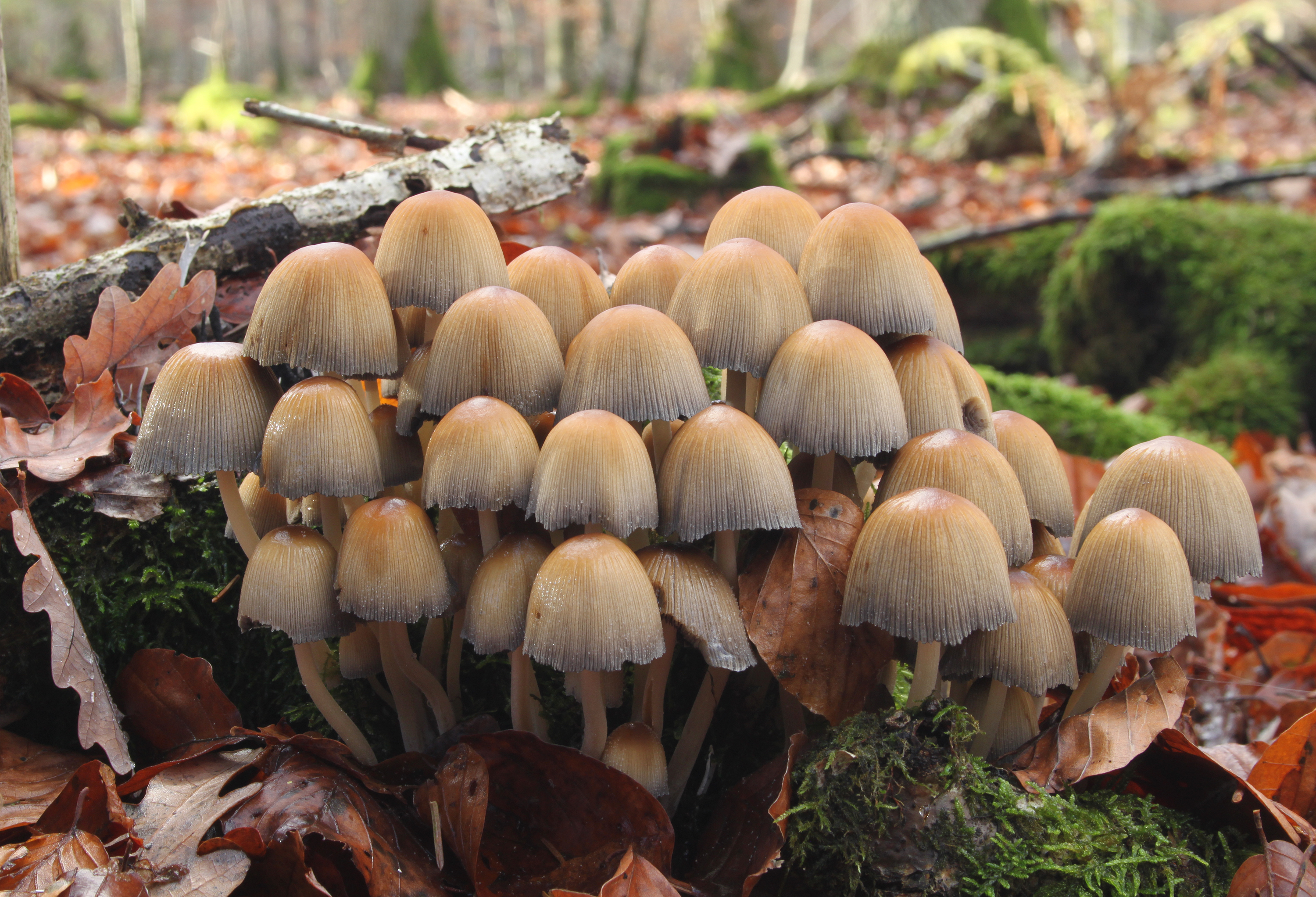
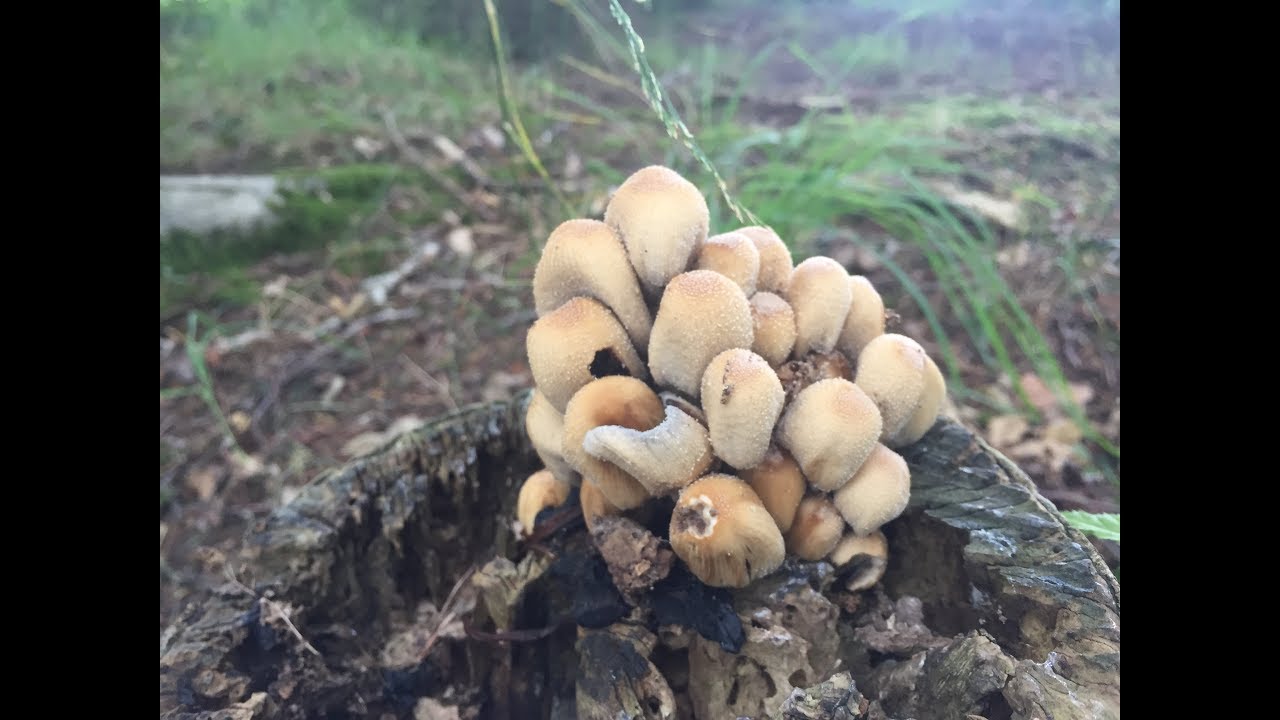
- Cap: The cap of the Mica Cap is typically 1-3 cm in diameter and starts off as an oval shape before expanding to a bell shape. It is light brown to tan in color and is covered with fine, mica-like granules, which give the mushroom its common name. These granules can wash away with rain, leaving the cap smooth.
- Gills: The gills are free from the stem and are initially white, turning black as the spores mature. They are closely spaced and delicate.
- Stem: The stem is slender, hollow, and can grow up to 10 cm in height. It is white to pale brown and lacks a ring.
- Spore Print: The spore print of the Mica Cap is black, which is a helpful feature for identification.
- Odor and Taste: The mushroom has a mild odor and taste, which are not particularly distinctive.
Habitat
Mica Caps are saprotrophic, meaning they feed on decaying organic matter. They are commonly found in clusters on or near rotting wood, including stumps, logs, and buried wood. They can also appear in mulch and other wood-rich environments. These mushrooms are widespread and can be found in temperate regions around the world, often emerging after rain.
Edibility
The edibility of the Mica Cap is a topic of some debate. While it is generally considered edible, it is not highly regarded for its culinary value. Here are some points to consider:
- Preparation: If you choose to consume Mica Caps, they should be cooked thoroughly. They are often used in soups or sautéed.
- Caution: As with all wild mushrooms, proper identification is crucial. Mica Caps can be confused with other species, some of which may be toxic. Additionally, they should not be consumed with alcohol, as they contain compounds that can cause adverse reactions when combined with alcohol.
- Nutritional Value: Like many mushrooms, Mica Caps are low in calories and contain various vitamins and minerals, making them a nutritious addition to the diet when properly prepared.
Ecological Significance
Mica Caps play an important role in their ecosystems:
- Decomposition: As saprotrophs, Mica Caps help break down dead organic matter, recycling nutrients back into the soil. This process is vital for maintaining healthy forest ecosystems.
- Biodiversity: By decomposing wood, Mica Caps contribute to the habitat complexity, supporting a diverse range of organisms, including insects and other fungi.
- Indicator Species: The presence of Mica Caps can indicate the health of an ecosystem, as they thrive in environments with abundant decaying wood.
Interesting Facts
- Delicate Nature: Mica Caps are known for their ephemeral nature. They can appear and disappear within a matter of days, making them a fleeting but beautiful sight in the forest.
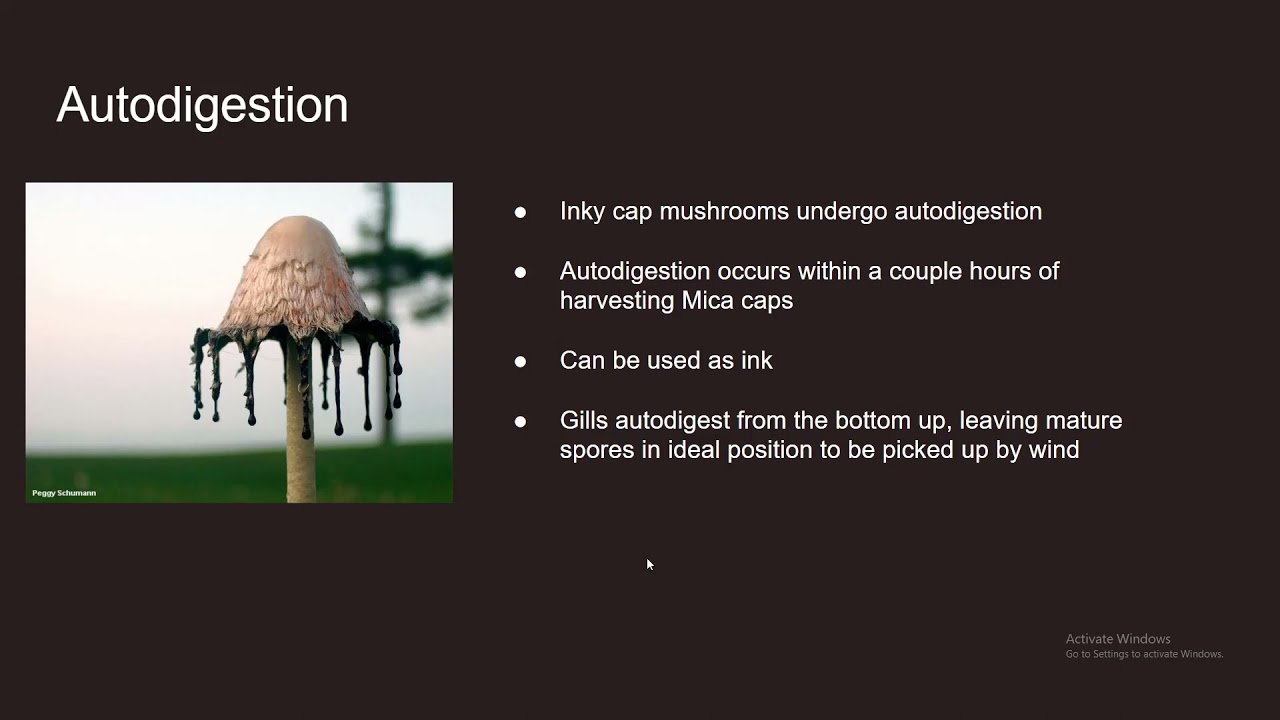
- Inky Cap Relatives: Mica Caps are related to the inky caps, a group of mushrooms known for their autodigesting gills that turn into an inky liquid as they mature. However, Mica Caps do not exhibit this trait to the same extent.
- Historical Uses: In some cultures, Mica Caps have been used in traditional medicine, although their medicinal properties are not well-documented in modern scientific literature.