Gauze

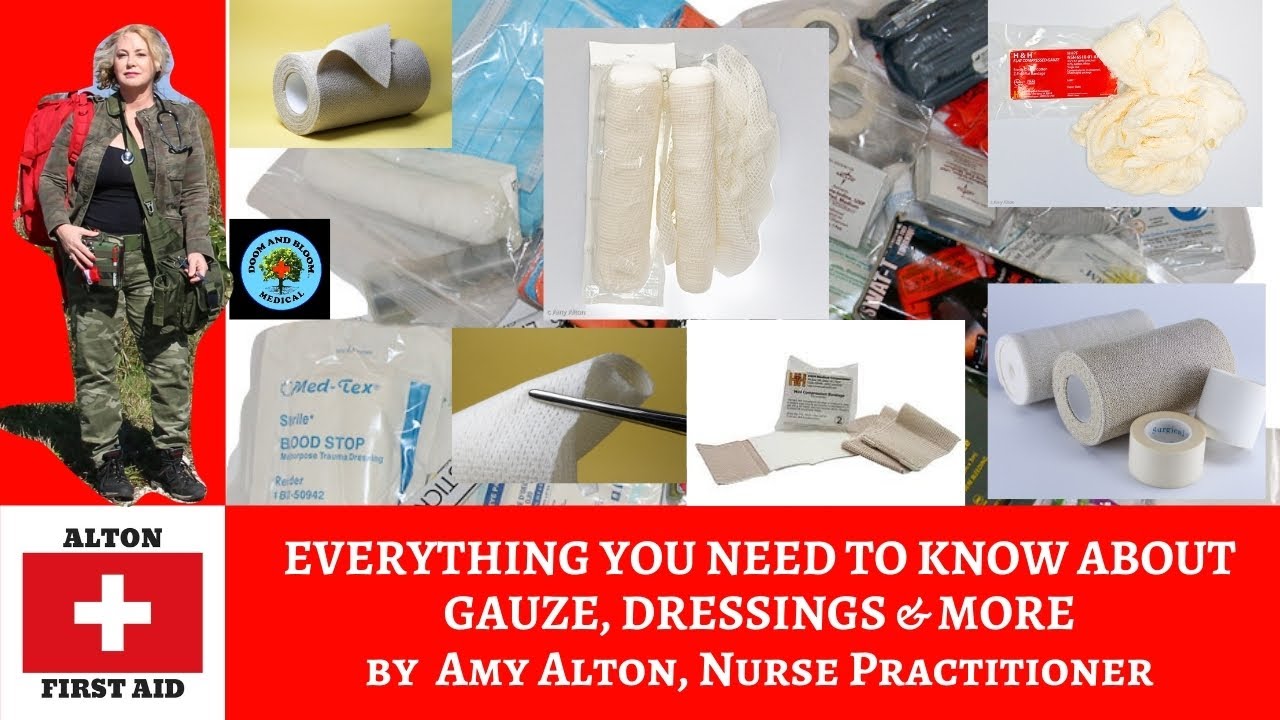
Gauze wound dressings are a staple in medical care, known for their versatility and effectiveness in managing various types of wounds. These dressings are made from woven or non-woven materials and are used to protect wounds, absorb exudate, and promote healing.
Types of Gauze Wound Dressings
Gauze dressings come in several forms, each designed to meet specific needs:
- Woven Gauze: Made from cotton fibers woven together, this type is highly absorbent and durable. It is often used for packing wounds or as a primary dressing.
- Non-Woven Gauze: Composed of synthetic fibers, non-woven gauze is softer and less adherent to wounds, making it suitable for delicate or sensitive skin.
- Impregnated Gauze: This type of gauze is coated with substances like petroleum, iodine, or antimicrobial agents to provide additional benefits such as moisture retention or infection control.
- Sterile Gauze: Packaged in a sterile environment, this gauze is used for surgical wounds or other situations where sterility is crucial.
- Non-Sterile Gauze: Used for general wound care where sterility is not a primary concern.
Uses of Gauze Wound Dressings
Gauze dressings are incredibly versatile and can be used in various medical scenarios:
- Wound Protection: Gauze acts as a barrier against contaminants, reducing the risk of infection.
- Absorption: It effectively absorbs exudate, blood, and other fluids, keeping the wound dry and promoting healing.
- Debridement: Gauze can be used to mechanically debride wounds, removing dead tissue and promoting a clean wound bed.
- Packing: For deep or tunneling wounds, gauze can be packed into the wound to fill dead space and promote healing from the inside out.
- Secondary Dressing: Gauze can be used as a secondary dressing to secure primary dressings in place.
Benefits of Gauze Wound Dressings
Gauze dressings offer several advantages that make them a popular choice in wound care:
- Cost-Effective: Gauze is generally inexpensive, making it accessible for both healthcare providers and patients.
- Availability: It is widely available in various sizes and forms, suitable for different wound types and stages.
- Versatility: Gauze can be used for a wide range of wounds, from minor cuts to more complex surgical wounds.
- Customizable: It can be easily cut or folded to fit the specific size and shape of the wound.
- Breathability: Gauze allows air to circulate, which can help in the healing process.
Considerations for Use
While gauze dressings are highly beneficial, there are some considerations to keep in mind:
- Adherence: Woven gauze can adhere to the wound bed, causing pain and potential damage during removal. Non-woven or impregnated gauze may be preferable for sensitive wounds.
- Moisture Balance: Gauze can dry out the wound if not changed frequently, which may impede healing. It is essential to monitor the wound and change dressings as needed.
- Infection Risk: Non-sterile gauze should not be used for wounds requiring a sterile environment, as it can introduce contaminants.
- Frequency of Change: Gauze dressings may need to be changed more frequently than other advanced dressings, which can be time-consuming and uncomfortable for the patient.