Longstalk Greenthread
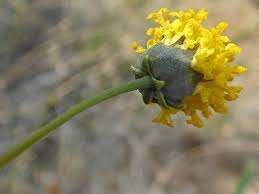
Longstalk Greenthread, scientifically known as Thelesperma longipes, is a perennial herbaceous plant belonging to the Asteraceae family. This plant is native to the southwestern United States, particularly thriving in regions such as New Mexico, Arizona, and Texas. Known for its vibrant yellow flowers and slender, elongated stems, Longstalk Greenthread is not only a visual delight but also holds cultural and ecological significance.
Botanical Description
Morphology
- Stems: The plant features long, slender stems that can reach heights of up to 60 centimeters (approximately 24 inches). These stems are typically unbranched and have a smooth texture.
- Leaves: The leaves are narrow, linear, and arranged alternately along the stem. They are usually about 2-5 centimeters in length and have a dark green hue.
- Flowers: The most striking feature of Longstalk Greenthread is its bright yellow, daisy-like flowers. Each flower head is composed of numerous small florets, with the central disc florets being tubular and the peripheral ray florets being strap-shaped.
- Roots: The plant has a fibrous root system that allows it to anchor firmly in sandy or rocky soils.
Habitat
Longstalk Greenthread is well-adapted to arid and semi-arid environments. It commonly grows in open plains, grasslands, and along roadsides. The plant prefers well-drained soils and can often be found in sandy or gravelly substrates. It is also drought-tolerant, making it a resilient species in its native habitat.
Ecological Importance
Pollinators
The bright yellow flowers of Longstalk Greenthread attract a variety of pollinators, including bees, butterflies, and other insects. These pollinators play a crucial role in the plant's reproductive cycle, facilitating cross-pollination and ensuring genetic diversity.
Soil Stabilization
The fibrous root system of Longstalk Greenthread helps in stabilizing the soil, preventing erosion, and maintaining soil health. This is particularly important in arid regions where soil erosion can be a significant issue.
Cultural Significance
Traditional Uses
Longstalk Greenthread has been used by Native American tribes for various purposes. The plant is known for its medicinal properties and has been used to treat ailments such as stomachaches, fevers, and respiratory issues. Additionally, the flowers and leaves have been used to make herbal teas, which are believed to have soothing and anti-inflammatory effects.
Symbolism
In some cultures, the vibrant yellow flowers of Longstalk Greenthread are seen as symbols of resilience and endurance, reflecting the plant's ability to thrive in harsh conditions.
Conservation Status
Currently, Longstalk Greenthread is not listed as a threatened or endangered species. However, habitat destruction and climate change pose potential risks to its natural populations. Conservation efforts are essential to ensure the continued survival of this species in its native habitat.
Growing Longstalk Greenthread
Cultivation Tips
For those interested in cultivating Longstalk Greenthread, here are some tips:
- Soil: Ensure well-drained soil, preferably sandy or gravelly.
- Watering: The plant is drought-tolerant but benefits from occasional watering, especially during prolonged dry spells.
- Sunlight: Full sun exposure is ideal for optimal growth and flowering.
- Spacing: Plant seeds or seedlings about 30 centimeters (12 inches) apart to allow adequate space for growth.
Propagation
Longstalk Greenthread can be propagated through seeds. Sow the seeds in early spring, and they should germinate within a few weeks. The plant can also be propagated through division, although this method is less common.