Bone & Joint infections
Videos
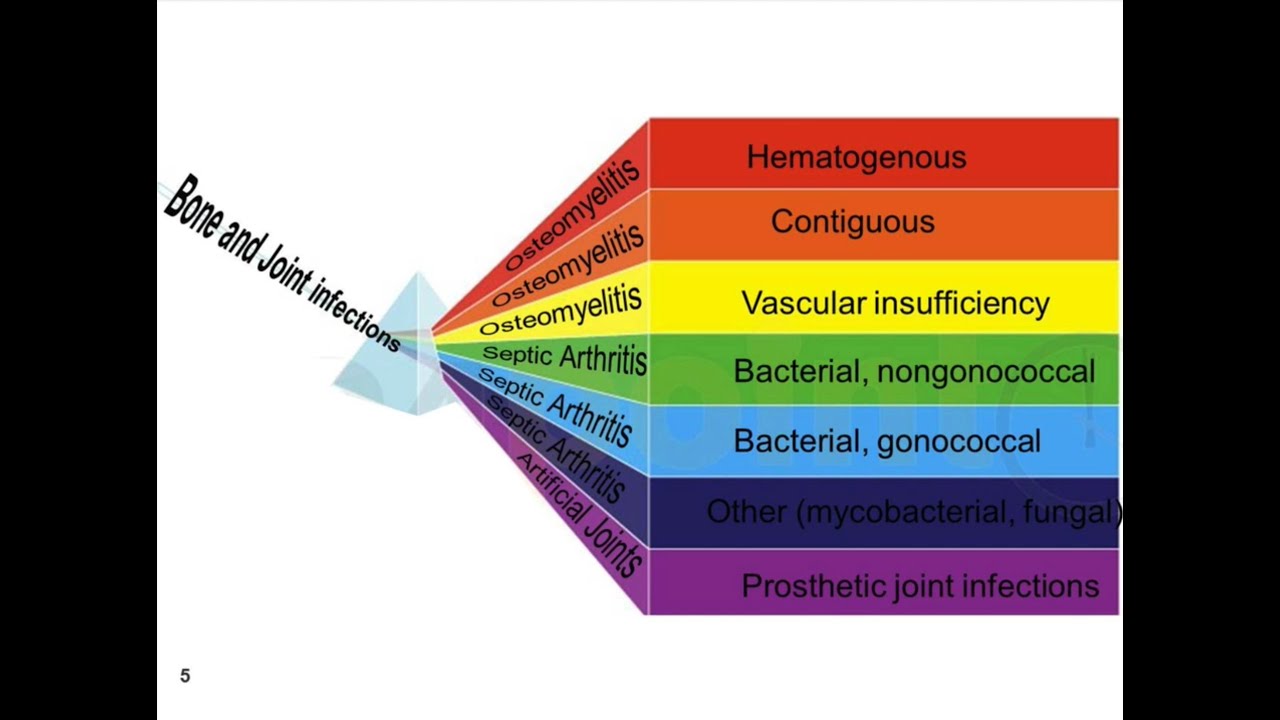
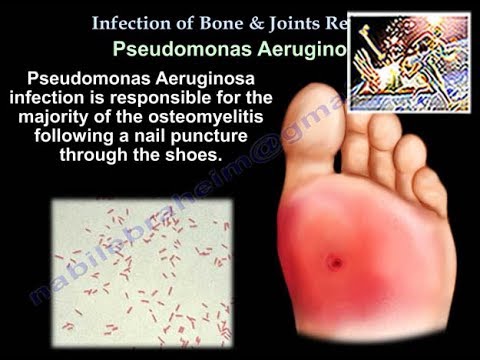
Osteomyelitis and Joint Infections - CRASH! Medical Review Series
Bone and joint infections, also known as osteomyelitis and septic arthritis respectively, are serious medical conditions that require prompt diagnosis and treatment. These infections can lead to severe complications if not managed properly.
Causes
Bone and joint infections are typically caused by bacteria, although fungi and viruses can also be culprits. The most common bacteria responsible for these infections include:
- Staphylococcus aureus: This is the most common cause of bone and joint infections.
- Streptococcus species: These bacteria can also lead to infections, particularly in children.
- Pseudomonas aeruginosa: Often associated with infections following surgery or in individuals with compromised immune systems.
- Mycobacterium tuberculosis: Can cause chronic bone infections, particularly in regions where tuberculosis is prevalent.
Infections can reach the bones and joints through various routes:
- Hematogenous spread: Bacteria from an existing infection elsewhere in the body travel through the bloodstream to the bones or joints.
- Direct inoculation: This occurs through open fractures, surgical procedures, or injections.
- Contiguous spread: Infections from nearby tissues or wounds can spread to bones and joints.
Symptoms
The symptoms of bone and joint infections can vary depending on the location and severity of the infection. Common symptoms include:
- Pain: Persistent and severe pain in the affected bone or joint.
- Swelling: Swelling and redness around the infected area.
- Fever: Elevated body temperature, often accompanied by chills.
- Limited mobility: Difficulty moving the affected limb or joint.
- Warmth: The infected area may feel warm to the touch.
- Fatigue: General feeling of tiredness and malaise.
In children, symptoms may also include irritability and refusal to use the affected limb.
Diagnosis
Accurate diagnosis of bone and joint infections is crucial for effective treatment. The diagnostic process typically involves:
- Medical history and physical examination: A thorough history and examination can provide clues about the source and extent of the infection.
- Blood tests: Elevated white blood cell count and inflammatory markers (e.g., C-reactive protein, erythrocyte sedimentation rate) can indicate infection.
- Imaging studies: X-rays, MRI, and CT scans can help visualize the extent of the infection and any associated damage to bones and joints.
- Microbiological tests: Blood cultures, joint fluid analysis, and bone biopsy can identify the specific organism causing the infection.
Treatment
Treatment of bone and joint infections typically involves a combination of medical and surgical approaches:
Medical Treatment
- Antibiotics: The cornerstone of treatment is the use of appropriate antibiotics. The choice of antibiotic depends on the identified organism and its sensitivity profile. Treatment usually starts with intravenous antibiotics, followed by oral antibiotics for several weeks to months.
- Pain management: Analgesics and anti-inflammatory medications can help manage pain and reduce inflammation.
Surgical Treatment
- Drainage: Surgical drainage of abscesses or infected joint fluid may be necessary to remove pus and reduce pressure.
- Debridement: Removal of infected and dead tissue can help control the infection and promote healing.
- Stabilization: In some cases, surgical stabilization of the affected bone or joint may be required to prevent further damage and promote recovery.
Prevention
Preventing bone and joint infections involves several strategies:
- Prompt treatment of infections: Early and effective treatment of infections elsewhere in the body can prevent the spread to bones and joints.
- Good hygiene practices: Proper wound care and hygiene can reduce the risk of infections following injuries or surgeries.
- Vaccinations: Vaccinations against certain bacteria, such as Streptococcus pneumoniae and Haemophilus influenzae, can reduce the risk of infections.