Rubber Vine
Constituents
[ ]
Cryptostegia grandiflora, commonly known as the rubber vine, is a plant species that belongs to the Apocynaceae family. Native to Madagascar, this vine has made its way to various parts of the world, where it has both captivated and concerned botanists and environmentalists alike.
CHARACTERISTICS
One of the most striking features of Cryptostegia grandiflora is its large, showy flowers that range in color from pink to purple. These trumpet-shaped blooms not only add a pop of color to the landscape but also attract pollinators such as bees and butterflies. The plant itself is a woody vine that can climb and twine its way up trees and structures, reaching impressive heights.
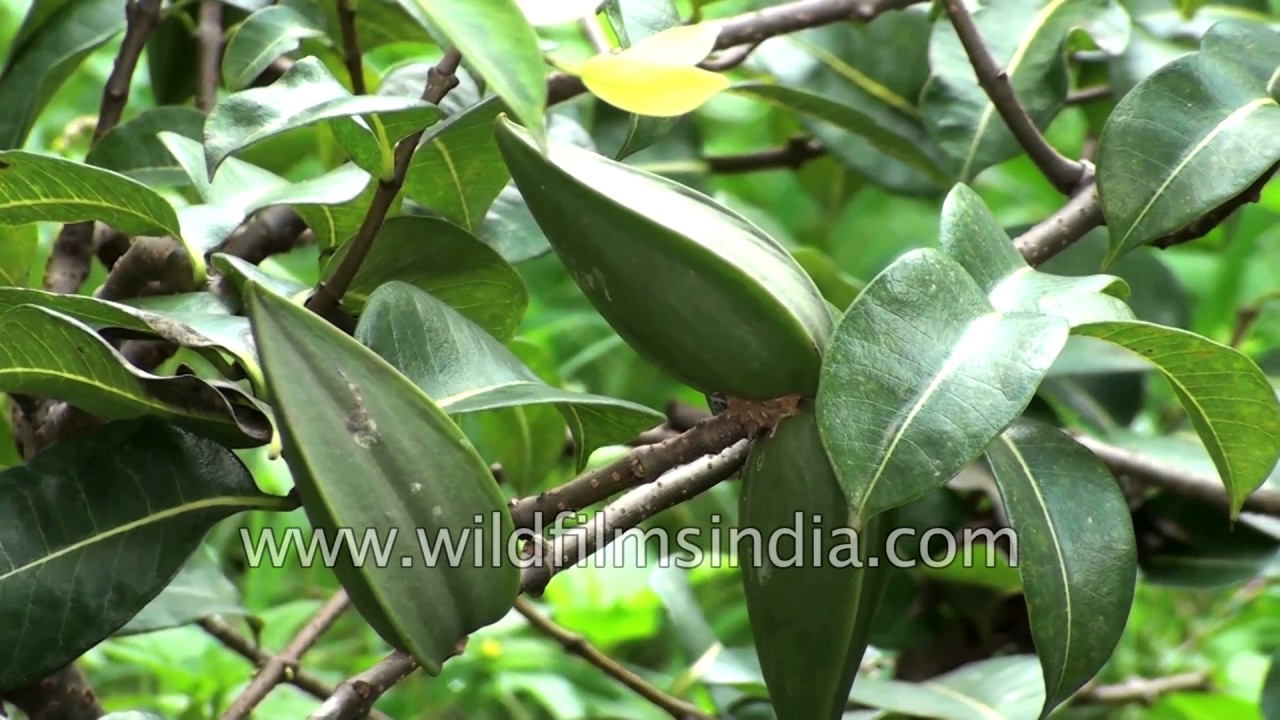
The leaves of Cryptostegia grandiflora are glossy and dark green, providing a stark contrast to the vibrant flowers. The plant produces long, slender seed pods that contain numerous seeds, aiding in its reproductive success. While the flowers are undoubtedly beautiful, it is essential to note that Cryptostegia grandiflora is considered an invasive species in many regions.
USES
Despite its invasive nature, Cryptostegia grandiflora has found some uses in traditional medicine and horticulture. In certain cultures, parts of the plant have been used to treat various ailments, although caution is advised due to the plant's toxicity. Additionally, some gardeners appreciate the ornamental value of the plant and cultivate it in controlled environments to enjoy its beauty without the risk of it spreading uncontrollably.
In horticulture, Cryptostegia grandiflora can be propagated through seeds or cuttings, making it relatively easy to cultivate. Its ability to climb and cover structures makes it a popular choice for creating green walls or adding vertical interest to gardens. However, it is crucial to monitor its growth carefully to prevent it from escaping into natural ecosystems.
Impact of Cryptostegia grandiflora
The introduction of Cryptostegia grandiflora to non-native regions has had significant ecological consequences. As an invasive species, the rubber vine can outcompete native plants for resources, leading to a loss of biodiversity. Its rapid growth and ability to form dense thickets make it challenging to control once established, posing a threat to native ecosystems.
In regions where Cryptostegia grandiflora has become invasive, efforts are underway to manage and eradicate the plant. This often involves a combination of manual removal, herbicide application, and biological control methods to limit its spread and minimize its impact on the environment. Despite these efforts, the rubber vine continues to be a persistent problem in many areas.