TF+ EVs
Return to Hematology Menu
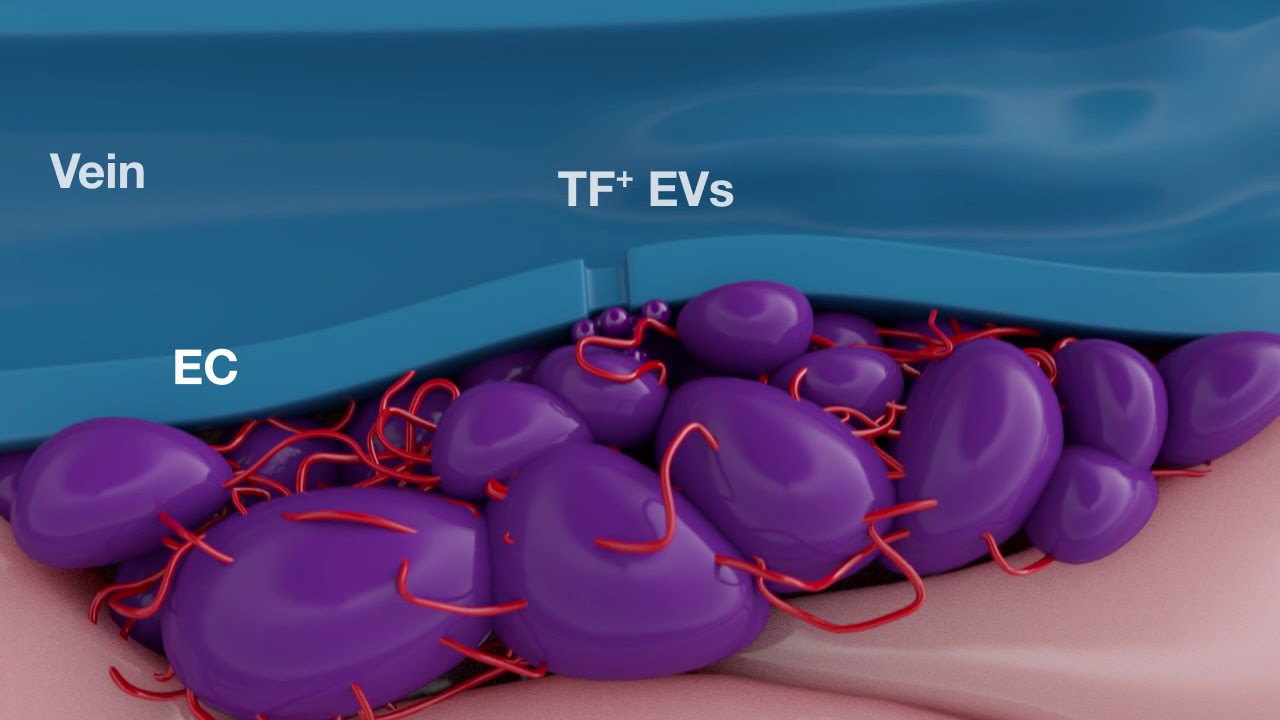
Tissue Factor (TF), also known as Factor III, is a critical protein in the coagulation cascade, playing a pivotal role in hemostasis and thrombosis. It acts as a cellular receptor and cofactor for Factor VII/VIIa, initiating the extrinsic pathway of blood coagulation. In recent years, the study of TF has expanded beyond its traditional role in coagulation, particularly in the context of extracellular vesicles (EVs).
What are Extracellular Vesicles (EVs)?
Extracellular vesicles are small, membrane-bound particles released by cells into the extracellular environment. They are categorized mainly into three types based on their size and biogenesis: exosomes, microvesicles, and apoptotic bodies. EVs are involved in intercellular communication, carrying proteins, lipids, and nucleic acids between cells. They play crucial roles in various biological processes, including immune responses, cell signaling, and tissue repair.
The Role of Tissue Factor in EVs
TF is often associated with the surface of EVs, particularly microvesicles, which are shed from the plasma membrane of cells. The presence of TF on EVs is significant for several reasons:
- Coagulation Activation: TF-bearing EVs can circulate in the bloodstream and contribute to the activation of the coagulation cascade. This is particularly important in pathological conditions such as cancer, where TF-positive EVs can lead to a hypercoagulable state, increasing the risk of thrombosis.
- Cancer Progression: In cancer, TF expression is often upregulated, and TF-positive EVs are implicated in tumor progression and metastasis. They can facilitate the formation of a pro-thrombotic environment, aiding in the dissemination of cancer cells.
- Inflammation and Immune Response: TF on EVs can also modulate inflammatory responses. By interacting with immune cells, TF-positive EVs can influence the immune system's behavior, potentially contributing to chronic inflammation and autoimmune diseases.
- Angiogenesis: TF-bearing EVs can promote angiogenesis, the formation of new blood vessels, which is crucial for tumor growth and wound healing. They achieve this by delivering pro-angiogenic factors to endothelial cells.
Mechanisms of TF Incorporation into EVs
The incorporation of TF into EVs is a complex process influenced by several factors:
- Cellular Activation: Cells such as monocytes, endothelial cells, and cancer cells can release TF-positive EVs upon activation by inflammatory cytokines or other stimuli.
- Lipid Rafts: TF is often associated with lipid rafts, specialized microdomains in the plasma membrane. These rafts play a role in the budding and release of EVs, facilitating the incorporation of TF.
- Proteolytic Cleavage: The release of TF in EVs can also be regulated by proteolytic cleavage, which may alter its activity and availability on the vesicle surface.
Clinical Implications of TF-Positive EVs
The presence of TF on EVs has significant clinical implications, particularly in the context of disease diagnosis and treatment:
- Biomarkers for Disease: TF-positive EVs can serve as biomarkers for various diseases, including cancer and cardiovascular disorders. Their levels in the blood can provide insights into disease progression and prognosis.
- Therapeutic Targets: Targeting TF on EVs presents a potential therapeutic strategy. Inhibiting TF activity could reduce the risk of thrombosis and limit cancer progression.
- Drug Delivery Systems: EVs, due to their natural origin and biocompatibility, are being explored as drug delivery systems. Understanding the role of TF in EVs can enhance the design of EV-based therapeutics, particularly for targeted delivery in cancer treatment.
Challenges and Future Directions
Despite the promising potential of TF-positive EVs in clinical applications, several challenges remain:
- Standardization: There is a need for standardized methods to isolate and characterize EVs, ensuring consistent and reliable results across studies.
- Understanding Mechanisms: Further research is required to fully understand the mechanisms governing TF incorporation into EVs and their subsequent biological effects.
- Safety and Efficacy: The safety and efficacy of targeting TF-positive EVs in therapeutic applications need thorough investigation through preclinical and clinical studies.