Redberry Juniper
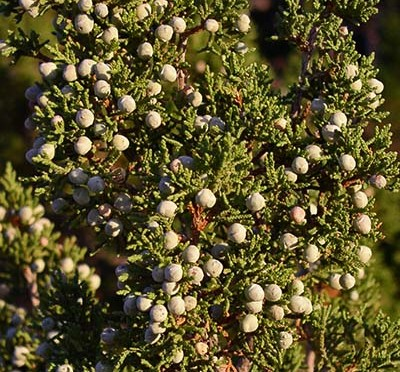
The Redberry Juniper, scientifically known as Juniperus coahuilensis, is a species of juniper native to North America. This evergreen shrub or small tree is notable for its distinctive red berries and its adaptability to various environmental conditions.
Key Characteristics
Physical Description
- Size: The Redberry Juniper typically grows to a height of 10 to 20 feet, although some specimens can reach up to 30 feet.
- Leaves: The leaves are scale-like and arranged in opposite pairs or whorls of three. They are usually dark green, providing a dense foliage.
- Bark: The bark is thin, fibrous, and tends to peel off in strips, revealing a reddish-brown underlayer.
- Berries: The most distinguishing feature is its bright red berries, which are actually modified cones. These berries are about 0.2 to 0.3 inches in diameter and contain one to three seeds.
Growth and Lifespan
- Growth Rate: The Redberry Juniper has a slow to moderate growth rate.
- Lifespan: These plants can live for several decades, with some individuals surviving for over a century.
Habitat and Distribution
Geographic Range
The Redberry Juniper is primarily found in the southwestern United States and northern Mexico. Its range includes:
- Texas
- New Mexico
- Arizona
- Coahuila (Mexico)
- Chihuahua (Mexico)
Preferred Environment
- Soil: It thrives in well-drained soils, often found in rocky or sandy terrains.
- Climate: This juniper is well-adapted to arid and semi-arid climates, tolerating both high temperatures and drought conditions.
- Elevation: It is commonly found at elevations ranging from 3,000 to 7,000 feet.
Ecological Significance
Wildlife Habitat
The Redberry Juniper plays a crucial role in its ecosystem by providing habitat and food for various wildlife species:
- Birds: Many bird species, including the cedar waxwing and American robin, feed on the berries.
- Mammals: Small mammals such as rabbits and rodents also consume the berries and use the dense foliage for shelter.
- Insects: The plant supports a variety of insects, which in turn attract insectivorous birds and other predators.
Soil Stabilization
The extensive root system of the Redberry Juniper helps in stabilizing soil, preventing erosion in its native habitats. This is particularly important in arid regions where soil erosion can be a significant problem.
Uses
Traditional Uses
- Medicinal: Indigenous peoples have used various parts of the Redberry Juniper for medicinal purposes, including treatments for colds, coughs, and digestive issues.
- Cultural: The wood and berries have been used in traditional ceremonies and as a source of dye.
Modern Uses
- Landscaping: Due to its drought tolerance and attractive appearance, the Redberry Juniper is often used in xeriscaping and as an ornamental plant in gardens.
- Erosion Control: Its ability to stabilize soil makes it a valuable plant for erosion control projects in arid and semi-arid regions.
Conservation and Management
Threats
While the Redberry Juniper is not currently listed as endangered, it faces several threats:
- Habitat Loss: Urbanization and agricultural expansion can lead to habitat destruction.
- Overgrazing: Livestock grazing can damage young plants and reduce regeneration rates.
- Climate Change: Changes in climate patterns can affect the distribution and health of these plants.
Management Practices
Effective management practices are essential to ensure the sustainability of Redberry Juniper populations:
- Controlled Grazing: Implementing controlled grazing practices can help protect young plants and promote natural regeneration.
- Habitat Restoration: Efforts to restore degraded habitats can support the growth and spread of Redberry Juniper.
- Conservation Programs: Participating in conservation programs can help monitor and protect existing populations.