Curry leaf
See also: Murraya (genus)
Videos
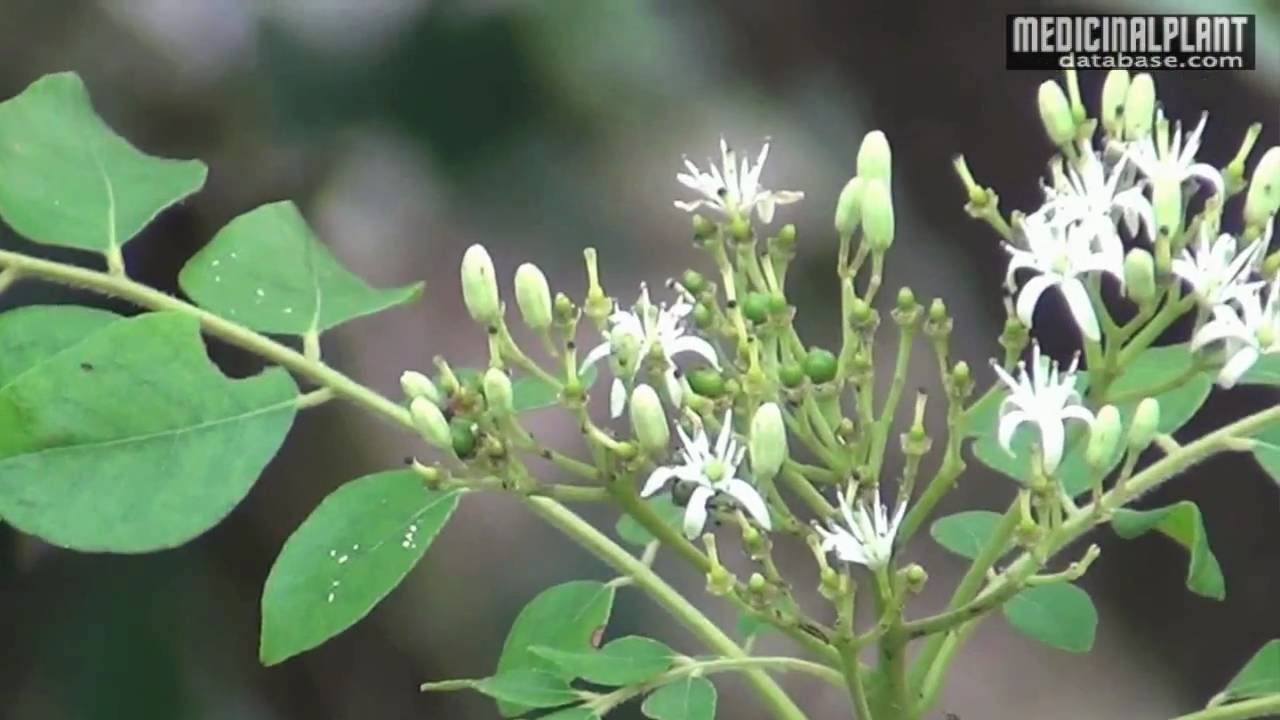
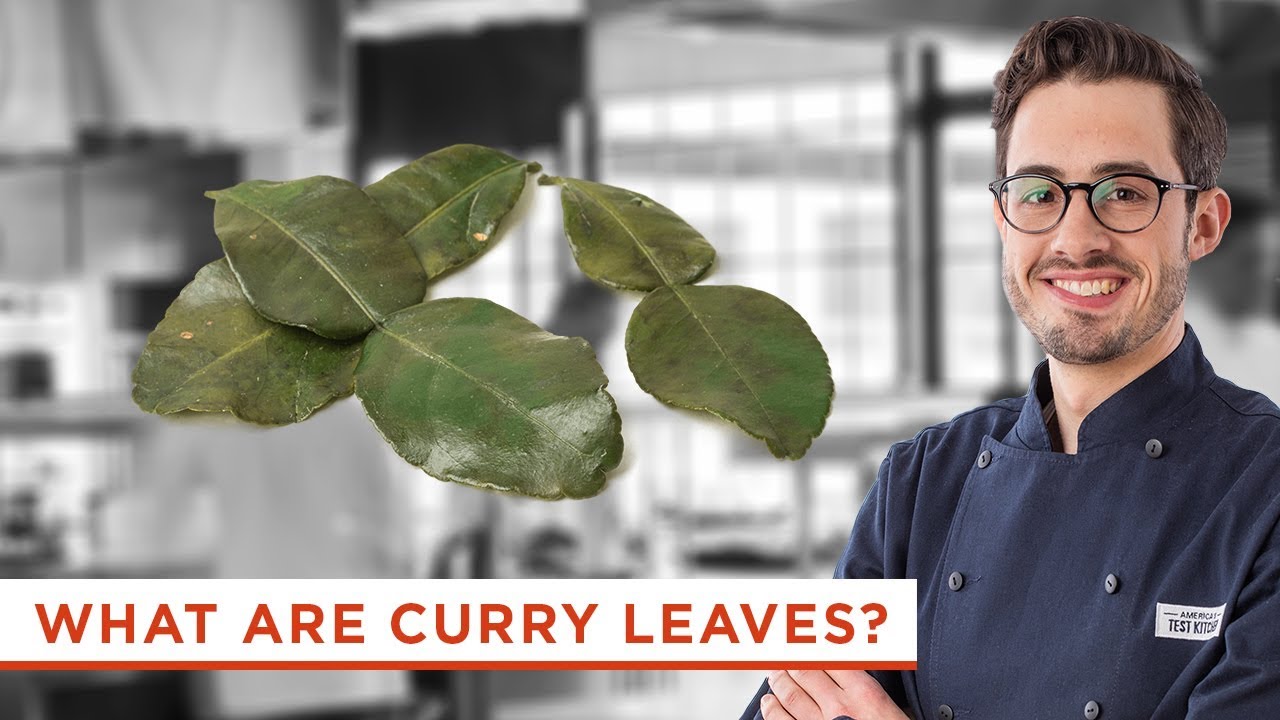
Eating the fruit of the curry tree
Constituents:
Listing on Duke's Phytochemical Database
Murraya Koenigii: An Updated Review
Murraya koenigii is a potential medicinal plant highly valued for its characteristic aroma and bioactive compounds. It belongs to family Rutaceae which represent more than 150 genera and 1600 species. Murraya koenigii has diverse role in traditional medicine and is known for its stomachic properties. The leaves and roots in different forms have great therapeutic potential and is used for the treatment of night blindness, dysentery, diarrhoea, vomiting, bites of poisonous animals, bruises and eruption. Leaves are often used in curries for flavouring and seasoning due to their aromatic nature. They are generally called by the name "curry leaves" and are an important export commodity from India and fetches good foreign revenue. The plant is a rich source of carbazole alkaloids. Phytocompounds like koenimbine, koenine, mahanimbine, murrayazolidine, murrayazoline, murrayacine, girinimbine, mukoeic acid, etc. have also been isolated and characterized. These bioactive compounds possess antioxidant, antimicrobial, anthelmintic, analgesic, anti-inflammatory, antidiarrheal, hepatoprotective and antitumor properties. The present review incorporates the description of M. koenigii, its ethnobotany, phytochemical constituents and various pharmacological activities of crude extracts, fractions and isolated comopounds which could lead to development of viable drugs for the treatment of variety of ailments.
Articles/Studies
The anti-colon cancer activity of Murraya koenigii leaves is due to the constituent murrayazoline.
Pyranocarbazoles from Murraya koenigii (L.) Spreng. as antimicrobial agents.
Biologically Active Carbazole Alkaloids from *Murraya* *k**oenigii*
Siamenol, a New Carbazole Alkaloid from *Murraya siamensis*
Immunostimulant
Immunomodulatory activity methanolic extract of Murraya koenigii (L) Spreng. leaves.
Methanolic Extract showed immunostimulation in vitro and in vivo. Significant increase in NO production by mouse peritoneal macrophages is detected in cultures. Supernatants indicated increase phagocytic activity of macrophages thus increase in phagocytic index by rapid removal of carbon particles from blood stream