Spiny Spindle Tree
Constituents
Euonymus echinatus, commonly known as the Spiny Spindle Tree, is a fascinating plant species belonging to the Celastraceae family. This plant is native to various regions in Asia, including the Himalayas, and is known for its distinctive spiny fruit and ornamental value. Below, we delve into the key characteristics, habitat, cultivation, and uses of Euonymus echinatus.
Key Characteristics
Appearance
Euonymus echinatus is a deciduous shrub or small tree that can grow up to 3-5 meters in height. The plant is characterized by its:
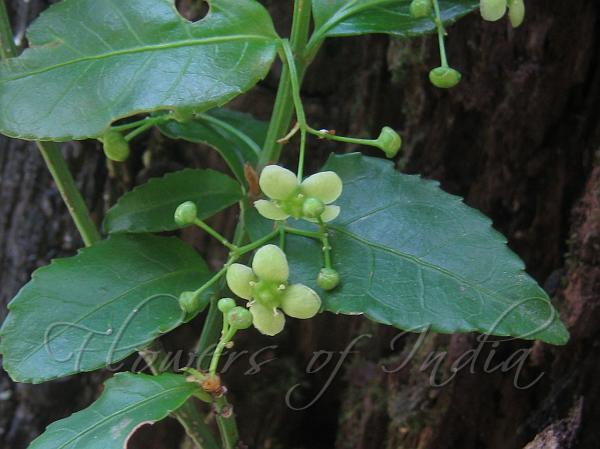
- Leaves: Simple, opposite, and elliptic to ovate in shape, with serrated margins. The leaves are typically 5-10 cm long and turn a striking red or purple in the fall.
- Flowers: Small, greenish-yellow, and inconspicuous, usually blooming in clusters during the late spring to early summer.
- Fruit: The most distinctive feature of Euonymus echinatus is its spiny, capsule-like fruit. The fruit is initially green, turning to a reddish-brown as it matures, and is covered with soft spines. When ripe, the capsule splits open to reveal bright orange seeds.
Growth Habit
This plant has a moderate growth rate and tends to form a dense, bushy structure. It can be pruned to maintain a desired shape and size, making it suitable for hedges and ornamental plantings.
Habitat
Euonymus echinatus thrives in a variety of habitats, including:
- Woodlands: Prefers the understory of deciduous and mixed forests.
- Hillsides: Often found on slopes and rocky terrains.
- Riverbanks: Can tolerate moist conditions and is sometimes found near streams and rivers.
The plant is adaptable to different soil types, including loamy, sandy, and clay soils, provided they are well-drained. It prefers a slightly acidic to neutral pH and can tolerate partial shade to full sun.
Cultivation
Planting
When cultivating Euonymus echinatus, consider the following steps:
- Site Selection: Choose a location with well-drained soil and adequate sunlight. Partial shade is acceptable, but full sun promotes better flowering and fruiting.
- Soil Preparation: Amend the soil with organic matter to improve fertility and drainage.
- Planting: Dig a hole twice the width of the root ball and of equal depth. Place the plant in the hole, backfill with soil, and water thoroughly.
Care and Maintenance
- Watering: Keep the soil consistently moist, especially during the establishment period. Once established, the plant is relatively drought-tolerant.
- Fertilization: Apply a balanced, slow-release fertilizer in the spring to promote healthy growth.
- Pruning: Prune in late winter or early spring to remove dead or damaged branches and to shape the plant. Regular pruning encourages a denser growth habit.
- Pest and Disease Control: Euonymus echinatus is generally resistant to pests and diseases. However, it can be susceptible to scale insects and powdery mildew. Monitor the plant regularly and treat any infestations promptly.
Uses
Ornamental Value
Euonymus echinatus is prized for its ornamental qualities, including:
- Fall Foliage: The vibrant red or purple leaves in the fall add a splash of color to gardens and landscapes.
- Unique Fruit: The spiny fruit capsules provide visual interest and can be used in dried floral arrangements.
Ecological Benefits
- Wildlife Habitat: The dense foliage provides shelter for birds and small mammals. The seeds are also a food source for various bird species.
- Erosion Control: The plant's root system helps stabilize soil on slopes and riverbanks, reducing erosion.
Traditional Uses
In some cultures, parts of Euonymus echinatus have been used in traditional medicine. The plant is believed to have various therapeutic properties, although scientific research on its medicinal uses is limited.