Bronchitis
See also: Lung Disorders
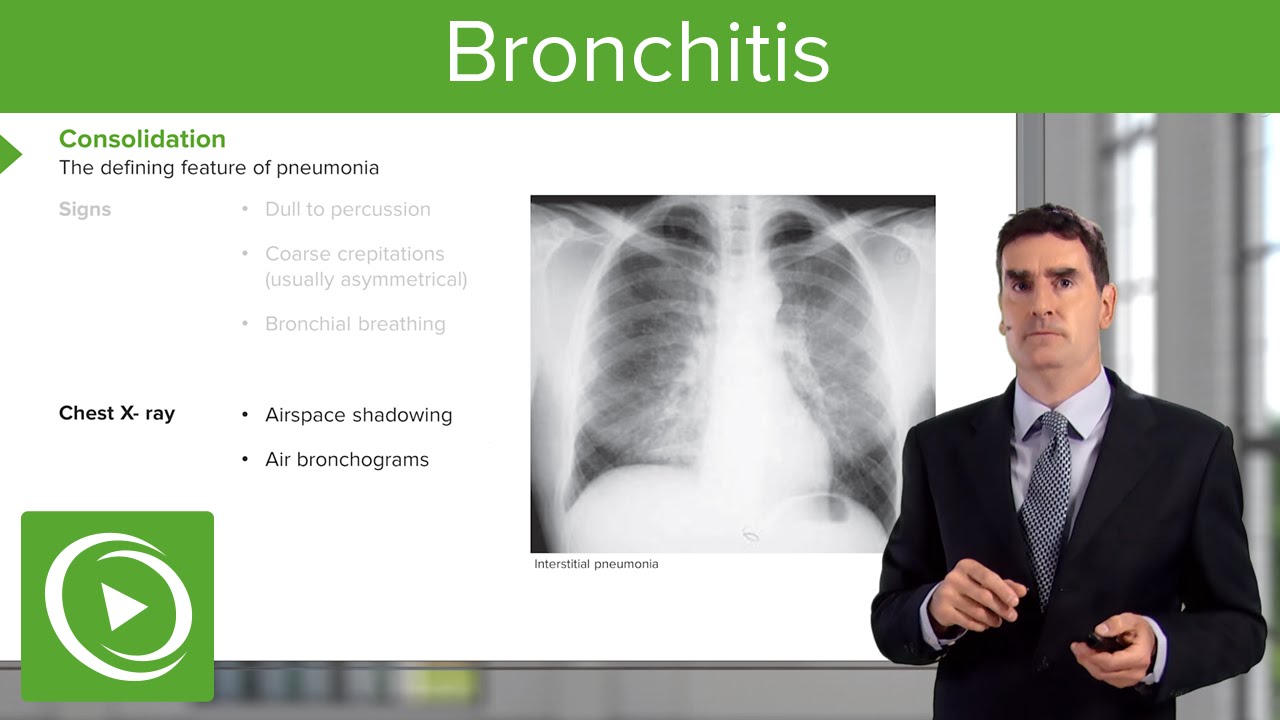
Bronchitis is a common respiratory condition characterized by the inflammation of the bronchial tubes, which are the air passages that extend from the trachea into the lungs. This inflammation leads to a persistent cough and can cause other symptoms such as mucus production, wheezing, and shortness of breath. Bronchitis can be classified into two main types: acute and chronic, each with distinct causes, symptoms, and treatment approaches.
Types of Bronchitis
Acute Bronchitis
Acute bronchitis is a short-term inflammation of the bronchial tubes, often resulting from a viral infection such as the common cold or influenza. It is more prevalent during the winter months and can affect individuals of all ages. The condition typically lasts for a few days to a couple of weeks, and most people recover without any long-term effects.
Chronic Bronchitis
Chronic bronchitis is a more serious, long-term condition that is part of a group of lung diseases known as chronic obstructive pulmonary disease (COPD). It is characterized by a persistent cough that produces mucus for at least three months in two consecutive years. Chronic bronchitis is often caused by prolonged exposure to irritants such as tobacco smoke, air pollution, or occupational dust and chemicals.
Symptoms of Bronchitis
The symptoms of bronchitis can vary depending on whether it is acute or chronic. Common symptoms include:
- Persistent cough
- Production of mucus (sputum), which can be clear, white, yellowish-gray, or green
- Fatigue
- Shortness of breath
- Slight fever and chills
- Chest discomfort
In chronic bronchitis, symptoms may be more severe and persistent, and individuals may experience frequent respiratory infections.
Causes and Risk Factors
Causes
- Acute Bronchitis: Most commonly caused by viral infections, but can also result from bacterial infections or exposure to irritants such as smoke, dust, or fumes.
- Chronic Bronchitis: Primarily caused by long-term exposure to irritants, with cigarette smoking being the most significant risk factor. Other causes include air pollution, dust, and chemical fumes.
Risk Factors
Several factors can increase the risk of developing bronchitis:
- Smoking: The most significant risk factor for chronic bronchitis.
- Age: Young children and older adults are more susceptible to acute bronchitis.
- Exposure to irritants: Long-term exposure to air pollution, dust, and chemical fumes can increase the risk.
- Weakened immune system: Individuals with weakened immune systems are more prone to infections that can lead to bronchitis.
- Gastroesophageal reflux disease (GERD): The condition can irritate the throat and increase the risk of bronchitis.
Diagnosis
Diagnosing bronchitis typically involves a physical examination and a review of the patient's medical history. A healthcare provider may listen to the lungs using a stethoscope to detect any abnormal sounds. Additional tests may include:
- Chest X-ray: To rule out pneumonia or other lung conditions.
- Sputum tests: To check for the presence of bacteria or viruses.
- Pulmonary function tests: To assess lung function and rule out other conditions like asthma or COPD.
Treatment and Management
Acute Bronchitis
Treatment for acute bronchitis focuses on relieving symptoms and may include:
- Rest and hydration: Essential for recovery.
- Over-the-counter medications: Such as cough suppressants and pain relievers.
- Humidifiers: To add moisture to the air and ease breathing.
- Avoiding irritants: Such as smoke and strong odors.
Chronic Bronchitis
Managing chronic bronchitis involves a combination of lifestyle changes, medications, and therapies:
- Smoking cessation: The most crucial step in managing chronic bronchitis.
- Bronchodilators: Medications that help open the airways.
- Inhaled steroids: To reduce inflammation in the airways.
- Pulmonary rehabilitation: A program that includes exercise, education, and support.
- Oxygen therapy: For individuals with severe cases.
Prevention
Preventing bronchitis involves reducing exposure to risk factors and maintaining a healthy lifestyle:
- Avoid smoking: And exposure to secondhand smoke.
- Wear protective gear: When exposed to dust or chemical fumes.
- Practice good hygiene: To reduce the risk of infections.
- Get vaccinated: Against influenza and pneumonia.
- Manage GERD: To prevent throat irritation.