Superbugs
How bugs become superbugs:

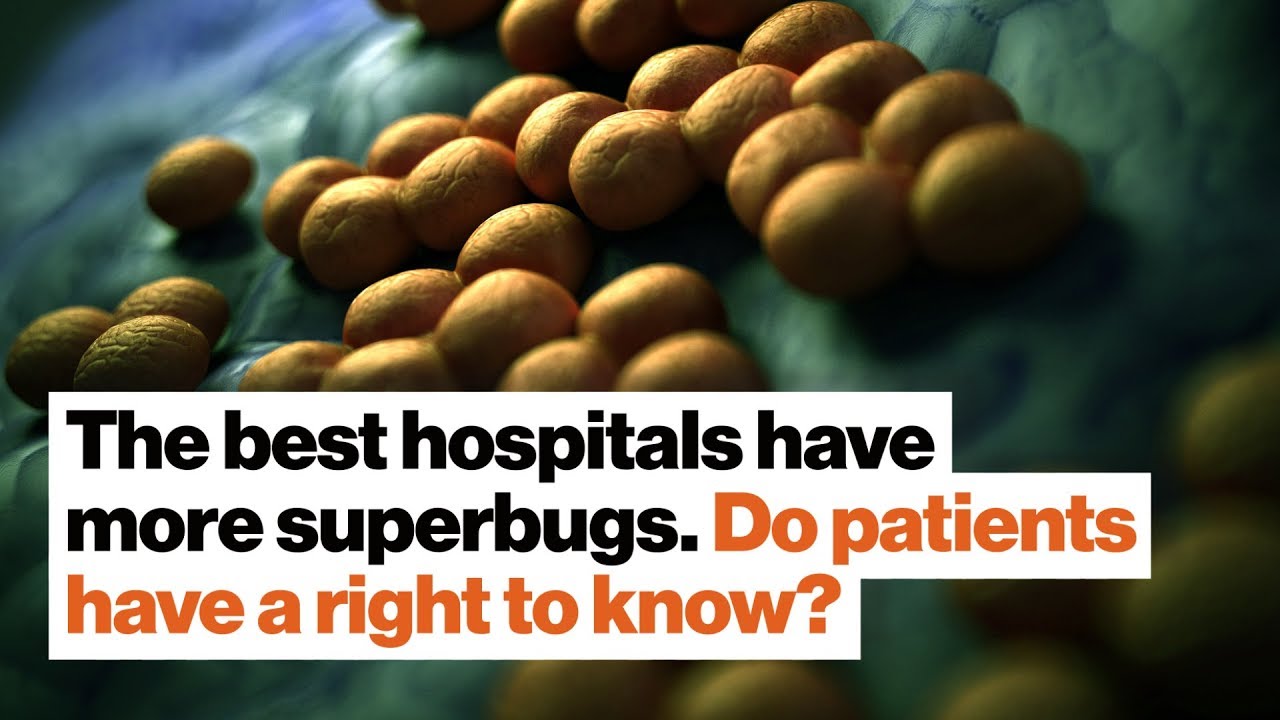
The best hospitals have more superbugs. Do patients have a right to know?| Matt McCarthy
A new weapon in the fight against superbugs
Understanding Superbugs
Superbugs are a growing concern in the field of medicine and public health. These are strains of bacteria, viruses, fungi, or parasites that have developed resistance to multiple antibiotics or other antimicrobial agents. The emergence of superbugs poses a significant threat to global health, as they can lead to infections that are difficult, if not impossible, to treat with existing medications.
Causes of Superbug Development
The development of superbugs is primarily driven by the overuse and misuse of antibiotics. When antibiotics are used excessively or inappropriately, such as for viral infections where they are ineffective, bacteria are exposed to these drugs more frequently. This exposure provides an opportunity for bacteria to adapt and develop resistance. Key factors contributing to the rise of superbugs include:
- Overprescription of Antibiotics: Physicians may prescribe antibiotics even when they are not necessary, often due to patient demand or diagnostic uncertainty.
- Incomplete Courses of Treatment: Patients sometimes do not complete their prescribed antibiotic courses, allowing some bacteria to survive and develop resistance.
- Use in Agriculture: Antibiotics are often used in livestock to promote growth and prevent disease, contributing to the development of resistant bacteria that can be transmitted to humans.
- Poor Infection Control: Inadequate hygiene and infection control measures in healthcare settings can facilitate the spread of resistant bacteria.
Common Superbugs
Several superbugs have become well-known due to their resistance to multiple antibiotics. Some of the most notorious include:
- Methicillin-resistant Staphylococcus aureus (MRSA): A type of staph bacteria that is resistant to methicillin and other common antibiotics, often causing skin infections and more severe conditions like pneumonia.
- Vancomycin-resistant Enterococci (VRE): Enterococci bacteria that have become resistant to vancomycin, an antibiotic used to treat serious infections.
- Carbapenem-resistant Enterobacteriaceae (CRE): A family of bacteria that are resistant to carbapenems, which are considered last-resort antibiotics.
- Multidrug-resistant Tuberculosis (MDR-TB): A form of tuberculosis that does not respond to the two most powerful anti-TB drugs, isoniazid and rifampicin.
Impact on Healthcare
The rise of superbugs has profound implications for healthcare systems worldwide. These resistant organisms can lead to longer hospital stays, higher medical costs, and increased mortality. The inability to effectively treat infections with standard antibiotics means that surgeries, cancer treatments, and other medical procedures become riskier due to the potential for untreatable infections.
Strategies to Combat Superbugs
Addressing the threat of superbugs requires a multifaceted approach involving healthcare providers, policymakers, and the public. Key strategies include:
- Antibiotic Stewardship: Implementing programs to ensure the appropriate use of antibiotics in healthcare settings, including prescribing them only when necessary and ensuring the correct dosage and duration.
- Research and Development: Investing in the development of new antibiotics and alternative treatments, such as bacteriophages or immunotherapies, to combat resistant infections.
- Public Education: Raising awareness about the importance of using antibiotics responsibly and the dangers of antibiotic resistance.
- Infection Prevention and Control: Enhancing hygiene practices in hospitals and clinics to prevent the spread of infections, including hand hygiene, sterilization of equipment, and isolation of infected patients.
- Global Collaboration: Encouraging international cooperation to monitor and respond to the spread of superbugs, as antibiotic resistance knows no borders.
ARTICLES/STUDIES
One of the world’s most popular weedkillers may be fueling deadly superbugs. Researchers found that highly drug-resistant bacteria from hospitals are also resistant to glyphosate, a commonly used weedkiller. The discovery suggests that agricultural herbicides may be helping antibiotic-resistant microbes survive and spread far beyond healthcare settings
Scientists Unveil New Antibiotic to Combat Drug-Resistant Superbugs
Sugary Western Diets Fuel Newly Evolving SuperbugSuperbug Secrets: Scientists Identify Factors You Never Knew Contributed
Superbug Secrets: Scientists Identify Factors You Never Knew Contributed
How superbugs uses mirror images to create antibiotic resistance
Infectious Diseases Experts: Superbugs on Track to Kill More People Than COVID-19
Superbugs now also becoming resistant to alcohol disinfectants
Big Pharma's industrial waste is accelerating the rise of superbugs
Hospital wastewater releases deadly superbugs directly into the environment
Defective sewage waste infrastructure blamed for rise in superbugs
Antibiotic-pumped livestock identified as major cause of deadly antibiotic resistance
Killer superbugs: Is the answer within our bodies' natural defenses?
Can Salted Doorknobs Prevent Superbug Infections?
Tasmanian Devil Milk is capable of killing the most deadly superbugs
Researchers make breakthrough in fight against superbug
Honey and water mixture may be a powerful weapon against hospital infections and deadly superbugs