Dabberlocks / Badderlocks
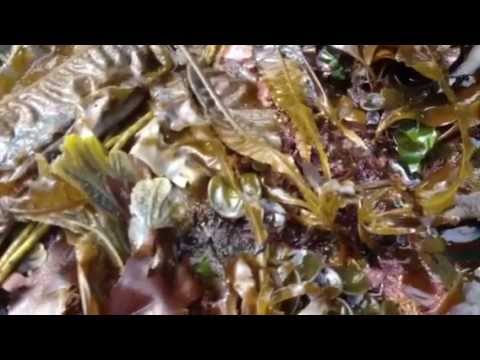
Dabberlocks, also known as Badderlocks or scientifically as Alaria esculenta, is a type of brown seaweed that is commonly found in the cold waters of the North Atlantic Ocean. This marine plant is not only significant for its ecological role but also for its nutritional and economic value.
Characteristics
Alaria esculenta is a member of the family Alariaceae. It is characterized by its long, ribbon-like fronds that can grow up to 2 meters in length. The fronds are typically olive-brown in color and have a distinct midrib running down the center. This midrib is a key identifying feature of the species. The plant attaches itself to rocky substrates using a holdfast, which anchors it securely in place against the strong ocean currents.
Habitat
Dabberlocks thrive in the intertidal and subtidal zones of the North Atlantic, particularly along the coasts of Europe and North America. They are commonly found in areas with strong water movement, which provides the necessary nutrients and oxygen for their growth. The seaweed prefers cold, nutrient-rich waters and is often found at depths ranging from the low tide mark to about 20 meters below the surface.
Ecological Role
As a primary producer, Alaria esculenta plays a crucial role in the marine ecosystem. It provides habitat and food for a variety of marine organisms, including fish, invertebrates, and other seaweeds. The dense fronds offer shelter and breeding grounds for many species, contributing to the biodiversity of the area. Additionally, Dabberlocks help in the stabilization of the seabed and the reduction of coastal erosion.
Nutritional Value
Dabberlocks are highly valued for their nutritional content. They are rich in vitamins, particularly vitamin C and vitamin K, and are an excellent source of minerals such as calcium, magnesium, and iodine. The seaweed also contains essential amino acids and dietary fiber, making it a nutritious addition to the diet. Its low-calorie content and high nutrient density make it an attractive option for health-conscious consumers.
Culinary Uses
In many cultures, Dabberlocks are consumed as a food source. They can be eaten raw, cooked, or dried and are often used in soups, salads, and as a seasoning. The seaweed has a mild, slightly salty flavor that complements a variety of dishes. In some regions, it is also used to make traditional dishes, such as the Scottish dish "sowans," which is made from fermented oat husks and Dabberlocks.
Economic Importance
The harvesting of Alaria esculenta is an important economic activity in some coastal communities. It is collected for both local consumption and export. The seaweed is also used in the production of alginates, which are substances derived from brown seaweeds and used in the food, pharmaceutical, and cosmetic industries. Alginates are valued for their thickening, gelling, and stabilizing properties.
Health Benefits
Consuming Dabberlocks can offer several health benefits due to its rich nutrient profile. The iodine content supports thyroid function, while the antioxidants present in the seaweed help combat oxidative stress. The dietary fiber aids in digestion and promotes gut health. Additionally, the presence of omega-3 fatty acids contributes to cardiovascular health.
Sustainable Harvesting
With the growing demand for seaweed products, sustainable harvesting practices are essential to ensure the long-term availability of Dabberlocks. Responsible harvesting involves taking only a portion of the plant to allow for regrowth and ensuring that the ecosystem is not disrupted. Some regions have implemented regulations and guidelines to promote sustainable seaweed harvesting.