River Hawthorn
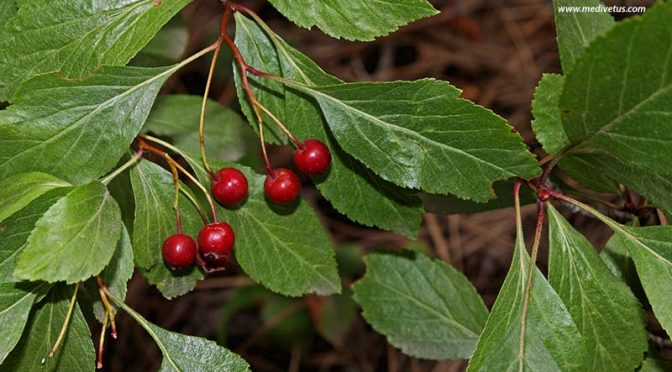
Crataegus rivularis, commonly known as the River Hawthorn, is a species of hawthorn native to North America. This deciduous shrub or small tree is part of the Rosaceae family and is known for its distinctive features and ecological importance. It is native to the intermontane region of the northwestern United States, situated between the coastal ranges and the Rocky Mountains.
C. rivularis is one of the black-fruited hawthorn species. It is closely related to C. erythropoda, and less closely related to C. saligna
Botanical Characteristics
Crataegus rivularis is a deciduous plant that typically grows to a height of 10 to 20 feet. It has a rounded crown and dense branching, which makes it an attractive ornamental plant. Here are some key botanical features:
- Leaves: The leaves are simple, alternate, and have a serrated margin. They are typically 1 to 3 inches long and turn a beautiful shade of red or orange in the fall.
- Flowers: The plant produces small, white flowers in clusters called corymbs. These flowers usually bloom in late spring to early summer and are known for their pleasant fragrance.
- Fruit: The fruit of Crataegus rivularis is a small pome, commonly referred to as a haw. These fruits are typically red or orange and ripen in late summer to early fall. They are an important food source for various wildlife species.
- Bark: The bark is grayish-brown and develops a rough texture with age, often featuring shallow fissures and ridges.
Habitat and Distribution
Crataegus rivularis is native to the western United States, particularly in regions such as the Rocky Mountains and the Great Basin. It thrives in riparian zones, which are areas adjacent to rivers and streams. The plant prefers well-drained soils and can tolerate a range of soil types, from sandy to clayey. It is often found at elevations ranging from 3,000 to 8,000 feet.
Ecological Significance
The River Hawthorn plays a crucial role in its native ecosystem. Here are some of its ecological contributions:
- Wildlife Habitat: The dense foliage and thorny branches provide excellent cover and nesting sites for birds and small mammals. The flowers attract pollinators such as bees and butterflies, while the fruits are a valuable food source for birds, deer, and other wildlife.
- Erosion Control: The extensive root system of Crataegus rivularis helps stabilize soil along riverbanks, reducing erosion and improving water quality.
- Biodiversity: By supporting a variety of wildlife species, the River Hawthorn contributes to the overall biodiversity of riparian ecosystems.
Uses and Benefits
Crataegus rivularis has several uses, both in traditional practices and modern applications:
- Ornamental Planting: Due to its attractive foliage, flowers, and fruits, the River Hawthorn is often used in landscaping and ornamental planting. It can be planted as a specimen tree or as part of a hedgerow.
- Medicinal Uses: Various parts of the plant, including the leaves, flowers, and fruits, have been used in traditional medicine. They are believed to have cardiovascular benefits and are used in herbal remedies to support heart health.
- Wildlife Support: Planting Crataegus rivularis in gardens and natural areas can help support local wildlife populations by providing food and habitat.
Cultivation and Care
If you are interested in cultivating Crataegus rivularis, here are some tips for successful growth:
- Site Selection: Choose a location with full sun to partial shade. The plant prefers well-drained soil but can tolerate a range of soil types.
- Planting: Plant the tree in the spring or fall. Dig a hole that is twice the width of the root ball and as deep as the root ball. Place the tree in the hole and backfill with soil, ensuring that the root collar is level with the ground.
- Watering: Water the tree regularly during the first growing season to establish a strong root system. Once established, the plant is relatively drought-tolerant.
- Pruning: Prune the tree in late winter or early spring to remove dead or diseased branches and to maintain its shape. Be cautious of the thorns when pruning.