IBD Tests
What to expect
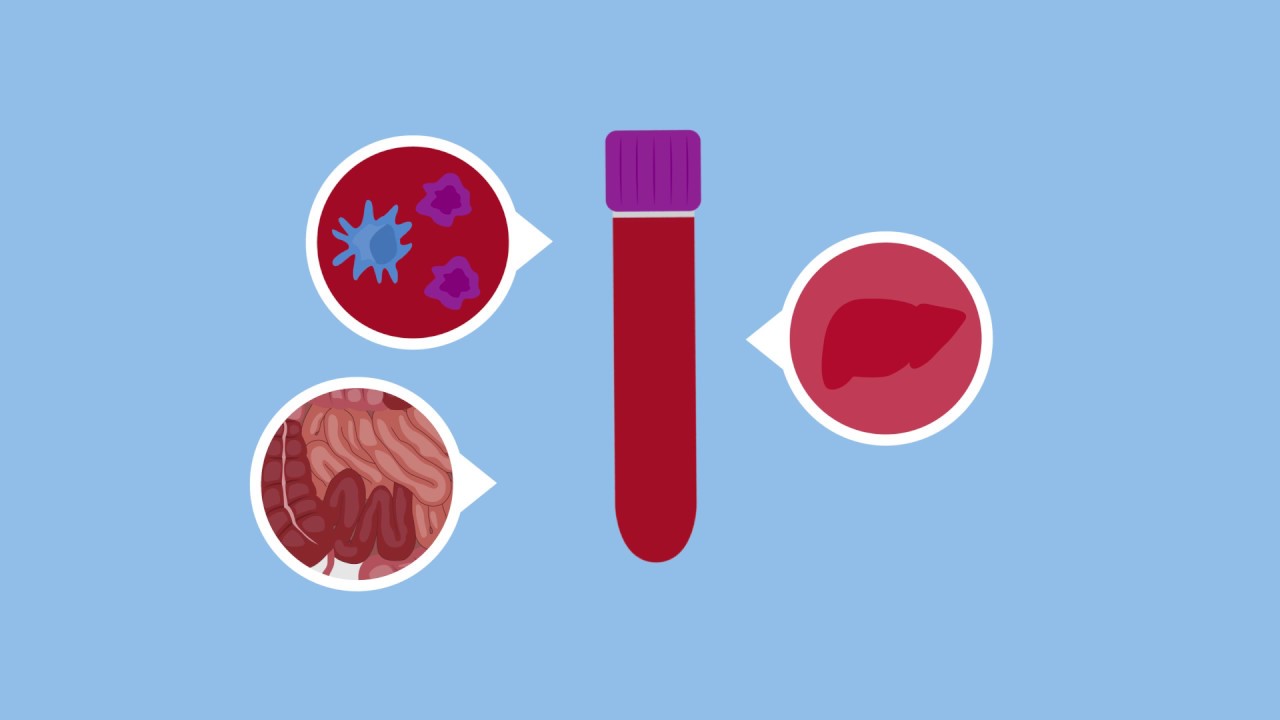
Can Stool Test Detect Cancer

Inflammatory Bowel Disease (IBD) is a chronic condition that primarily affects the gastrointestinal tract, leading to inflammation and a variety of symptoms. Diagnosing and managing IBD, which includes Crohn's disease and ulcerative colitis, requires a comprehensive approach involving several tests
Types of IBD Tests
IBD tests can be broadly categorized into laboratory tests, imaging studies, and endoscopic procedures. Each type of test provides unique information that helps in diagnosing the condition, assessing its severity, and monitoring treatment efficacy.
1. Laboratory Tests
Laboratory tests are often the first step in the diagnostic process for IBD. They help in identifying inflammation, anemia, and other abnormalities.
- Blood Tests:
* Complete Blood Count (CBC): This test checks for anemia and signs of infection or inflammation.
* C-reactive Protein (CRP): Elevated levels indicate inflammation in the body.
* Erythrocyte Sedimentation Rate (ESR): Another marker of inflammation, though less specific than CRP.
* Liver Function Tests: These assess liver health, as liver complications can occur with IBD.
* Vitamin and Mineral Levels: Deficiencies in vitamins B12, D, and iron are common in IBD patients.
- Stool Tests:
* Fecal Calprotectin: This test measures the level of calprotectin, a protein that indicates inflammation in the intestines.
* Stool Culture: Used to rule out infections that can mimic IBD symptoms.
2. Imaging Studies
Imaging studies provide visual information about the structure of the gastrointestinal tract and help in identifying areas of inflammation, strictures, or other abnormalities.
- X-rays: Often used to detect complications such as bowel obstructions or perforations.
- Ultrasound: Useful for assessing bowel wall thickness and detecting abscesses.
- CT Scan (Computed Tomography): Provides detailed images of the intestines and surrounding tissues, useful for identifying complications.
- MRI (Magnetic Resonance Imaging): Particularly useful for evaluating the small intestine and detecting fistulas or abscesses.
3. Endoscopic Procedures
Endoscopic procedures allow direct visualization of the intestinal lining and enable biopsy collection for histological examination.
- Colonoscopy: A comprehensive examination of the colon and terminal ileum. It is the gold standard for diagnosing IBD and assessing disease extent and severity.
- Sigmoidoscopy: Examines only the rectum and lower colon, useful for initial evaluation or when a full colonoscopy is not feasible.
- Upper Endoscopy (EGD): Used to examine the upper gastrointestinal tract, including the esophagus, stomach, and duodenum, especially in Crohn's disease.
- Capsule Endoscopy: Involves swallowing a small, pill-sized camera that takes images of the small intestine, useful for detecting small bowel involvement in Crohn's disease.
Interpreting IBD Test Results
Interpreting the results of IBD tests requires a comprehensive understanding of the patient's symptoms, medical history, and test findings.
- Positive Indicators: Elevated CRP and ESR levels, high fecal calprotectin, and abnormal findings on imaging or endoscopy suggest active inflammation.
- Negative Indicators: Normal test results may indicate remission or the absence of IBD, but they do not rule out the disease entirely.
Monitoring and Follow-Up
Regular monitoring is crucial for managing IBD effectively. This involves periodic testing to assess disease activity, monitor treatment response, and detect complications early.
- Routine Blood Tests: Regular CBC, CRP, and liver function tests help track inflammation and overall health.
- Periodic Endoscopy: Follow-up colonoscopies or sigmoidoscopies assess mucosal healing and guide treatment adjustments.
- Imaging Studies: Repeated imaging may be necessary to monitor complications or assess treatment efficacy.