Blue Ash
Fraxinus quadrangulata, commonly known as the Blue Ash tree, is a species of ash native to North America. This unique tree is named for the distinctive blue-gray color of its bark, which sets it apart from other ash species. The Blue Ash tree is a valuable and important component of the ecosystem, providing various benefits to both wildlife and humans.
Description and Characteristics
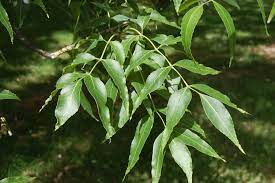
The Blue Ash tree is a deciduous tree that can grow up to 80 feet tall, with a spread of around 40 feet. Its bark is rough and fissured, with a bluish-gray hue that gives the tree its name. The leaves of Fraxinus quadrangulata are compound, typically consisting of five to nine leaflets arranged opposite each other along a central stem. In the fall, the leaves turn a vibrant yellow, adding a splash of color to the autumn landscape.
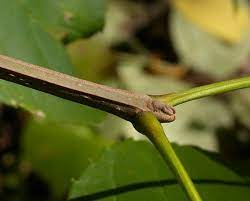
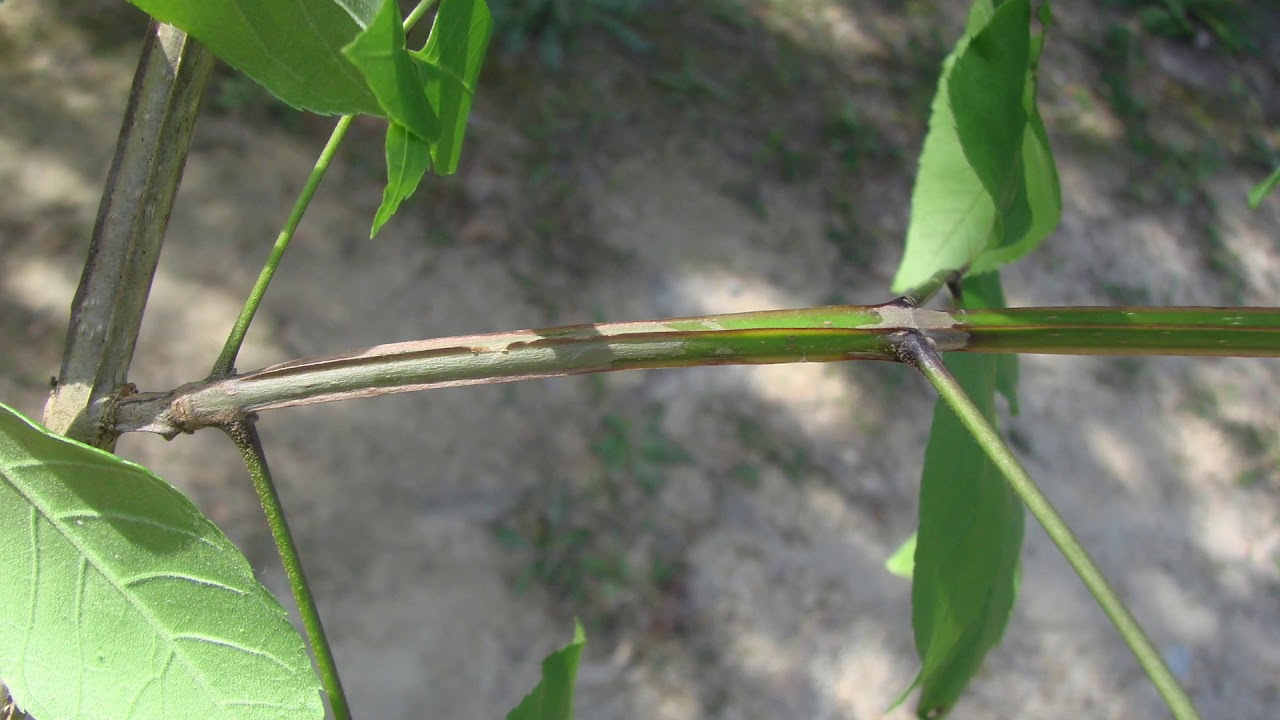
One of the most distinctive features of the Blue Ash tree is its square-shaped twigs, which set it apart from other ash species. These twigs are four-angled, giving the tree a unique appearance that is easily recognizable to those familiar with it. The tree produces small, winged seeds that are dispersed by the wind, aiding in its reproduction and spread.
Habitat and Distribution
Fraxinus quadrangulata is primarily found in the central and eastern regions of North America, where it thrives in a variety of habitats. The Blue Ash tree is commonly found in open woodlands, along stream banks, and in bottomland forests. It is a hardy species that can tolerate a range of soil conditions, from dry and sandy soils to moist, loamy soils.
Despite its adaptability, the Blue Ash tree is facing threats in its natural habitat. Habitat loss, invasive species, and diseases such as the emerald ash borer pose significant challenges to the survival of this species. Conservation efforts are underway to protect and preserve the Blue Ash tree and its unique genetic diversity.
Ecological Importance
The Blue Ash tree plays a crucial role in the ecosystem, providing food and habitat for a variety of wildlife species. The tree's seeds are a valuable food source for birds and small mammals, while its leaves support a diverse community of insects. In turn, these insects serve as food for birds and other predators, creating a complex web of interactions within the ecosystem.
The Blue Ash tree also contributes to the health of the environment by providing shade, reducing soil erosion, and improving air quality. Its extensive root system helps stabilize soil, preventing erosion and runoff. Additionally, the tree absorbs carbon dioxide from the atmosphere and releases oxygen through the process of photosynthesis, helping to mitigate climate change.
Cultural Significance
In addition to its ecological importance, the Blue Ash tree holds cultural significance for many indigenous peoples of North America. Some tribes used the wood of Fraxinus quadrangulata to make tools, baskets, and other items, utilizing its strong and durable qualities. The tree's bark was also used for medicinal purposes, demonstrating the deep connection between indigenous cultures and the natural world.
Today, the Blue Ash tree continues to be valued for its wood, which is used in woodworking and furniture making. The unique color and grain pattern of the wood make it a sought-after material for various projects. Additionally, the tree's aesthetic qualities, such as its distinctive bark and fall foliage, make it a popular choice for landscaping and ornamental planting.
Conservation Efforts
As the Blue Ash tree faces threats from habitat loss and disease, conservation efforts are essential to ensure the survival of this species. Conservation organizations and researchers are working to protect remaining populations of Fraxinus quadrangulata, monitor for signs of disease or infestation, and develop strategies for restoration and reintroduction.
One approach to conservation is the preservation of genetic diversity within Blue Ash populations. By collecting seeds from a variety of trees and establishing seed banks, researchers can safeguard the genetic material of the species and potentially reintroduce individuals into the wild in the future. This genetic diversity is crucial for the long-term survival and adaptation of the species in changing environmental conditions.
In addition to genetic conservation, habitat restoration and protection are key components of conservation efforts for the Blue Ash tree. By restoring degraded habitats, planting new trees, and managing invasive species, conservationists can create healthy and resilient ecosystems that support the survival of Fraxinus quadrangulata and other native species.