Allometry
Physiology changes with size.
Scaling
Structure/Function

Allometry is a concept that explores the relationship between the size of an organism and the shape, anatomy, physiology, and behavior of its various parts. This concept is crucial in understanding how different organisms grow and develop, and it has significant implications in fields such as anatomy, biochemistry, and physiology.
Definition and Importance
Allometry refers to the study of the relative growth of a part of an organism in relation to the entire organism. It is a key concept in biology that helps explain how different species adapt to their environments through changes in size and shape. Allometric relationships are often expressed mathematically, typically using power laws, which can describe how different biological variables scale with size.
Understanding allometry is important because it provides insights into the evolutionary processes that shape organisms. It helps scientists predict how changes in size can affect an organism's function and behavior, which is crucial for fields like evolutionary biology, ecology, and even medicine.
Types of Allometry
Allometry can be broadly categorized into two types:
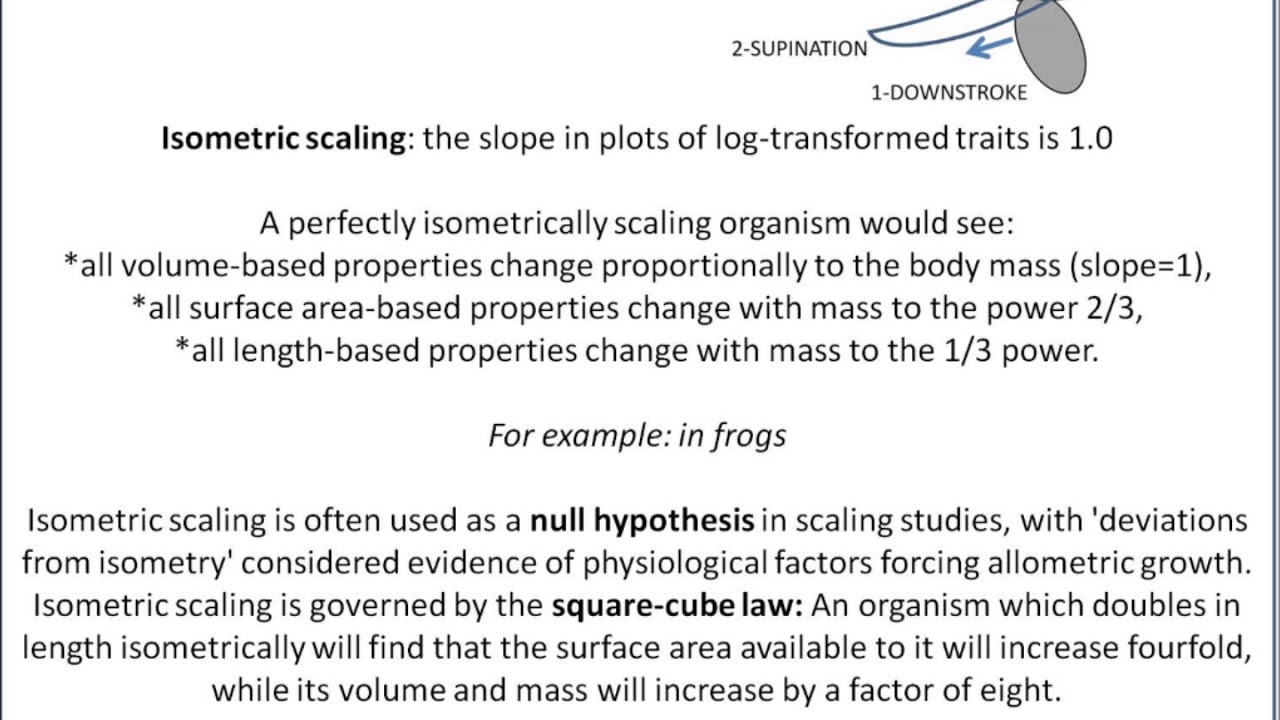
- Isometric Growth: This occurs when all parts of an organism grow at the same rate, maintaining the same proportions throughout development. Isometric growth is relatively rare in nature.
- Allometric Growth: This is more common and occurs when different parts of an organism grow at different rates, leading to changes in shape or proportion. Allometric growth can be further divided into:
* Positive Allometry: When a part of the organism grows faster than the rest of the body.
* Negative Allometry: When a part of the organism grows slower than the rest of the body.
Mathematical Representation
Allometric relationships are often represented using the equation:
Y = aX^bWhere:
-
Yis the size of the body part of interest. -
Xis the size of the organism. -
ais a constant. -
bis the allometric coefficient, which indicates the type of allometry.
If b = 1, the growth is isometric. If b > 1, it indicates positive allometry, and if b < 1, it indicates negative allometry.
Applications in Anatomy
In anatomy, allometry helps explain the variations in body proportions among different species. For example, the long neck of a giraffe is an example of positive allometry, where the neck grows disproportionately longer compared to the rest of the body. This adaptation allows giraffes to reach high foliage for feeding.
Allometry also plays a role in understanding human growth patterns. For instance, the human head grows at a slower rate compared to the rest of the body, which is an example of negative allometry. This understanding is crucial for pediatricians and other healthcare professionals in assessing normal growth and development in children.
Biochemical Implications
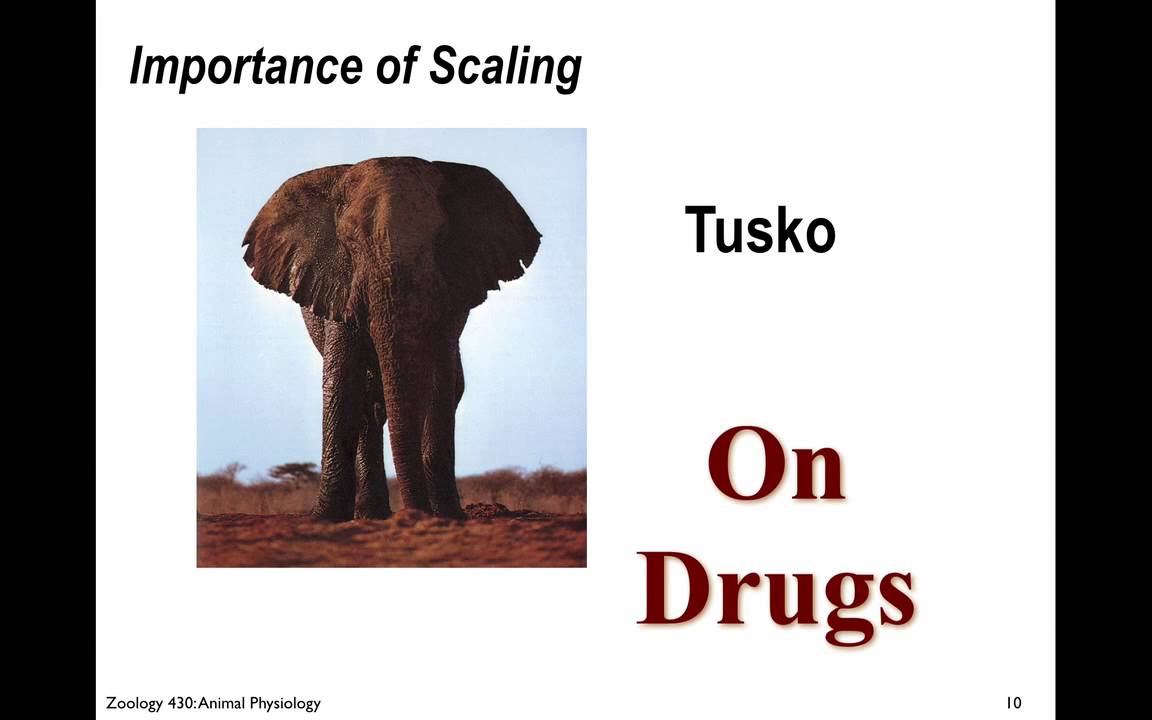
In biochemistry, allometry can influence metabolic rates and energy consumption. Larger animals tend to have slower metabolic rates per unit of body mass compared to smaller animals. This is because metabolic rate scales with body mass to the power of approximately 0.75, a phenomenon known as Kleiber's law. Understanding these relationships helps in studying how energy is utilized and conserved across different species.
Allometry also affects the distribution and concentration of biochemical substances within an organism. For example, the concentration of certain hormones or enzymes may vary depending on the size and growth rate of specific tissues or organs.
Physiological Considerations
Physiologically, allometry is crucial in understanding how different organisms function. For example, the heart rate of animals is inversely related to their size, with smaller animals having faster heart rates. This relationship is an example of allometric scaling and is important for understanding cardiovascular function across species.
Allometry also influences respiratory and circulatory systems. Larger animals have more efficient respiratory systems to accommodate their greater oxygen needs, while smaller animals have higher surface area-to-volume ratios, affecting heat retention and loss.
Evolutionary and Ecological Perspectives
From an evolutionary perspective, allometry provides insights into how organisms adapt to their environments. Changes in size and shape can lead to new ecological niches and survival strategies. For example, the large beaks of certain bird species have evolved through allometric changes to exploit specific food sources.
Ecologically, allometry affects population dynamics and interactions within ecosystems. The size and growth patterns of organisms can influence their roles as predators, prey, or competitors, affecting the overall balance of ecosystems.