Ecosystem Classification
This resource linked above helps us understand where plants are likely to be located in various ecosystems.
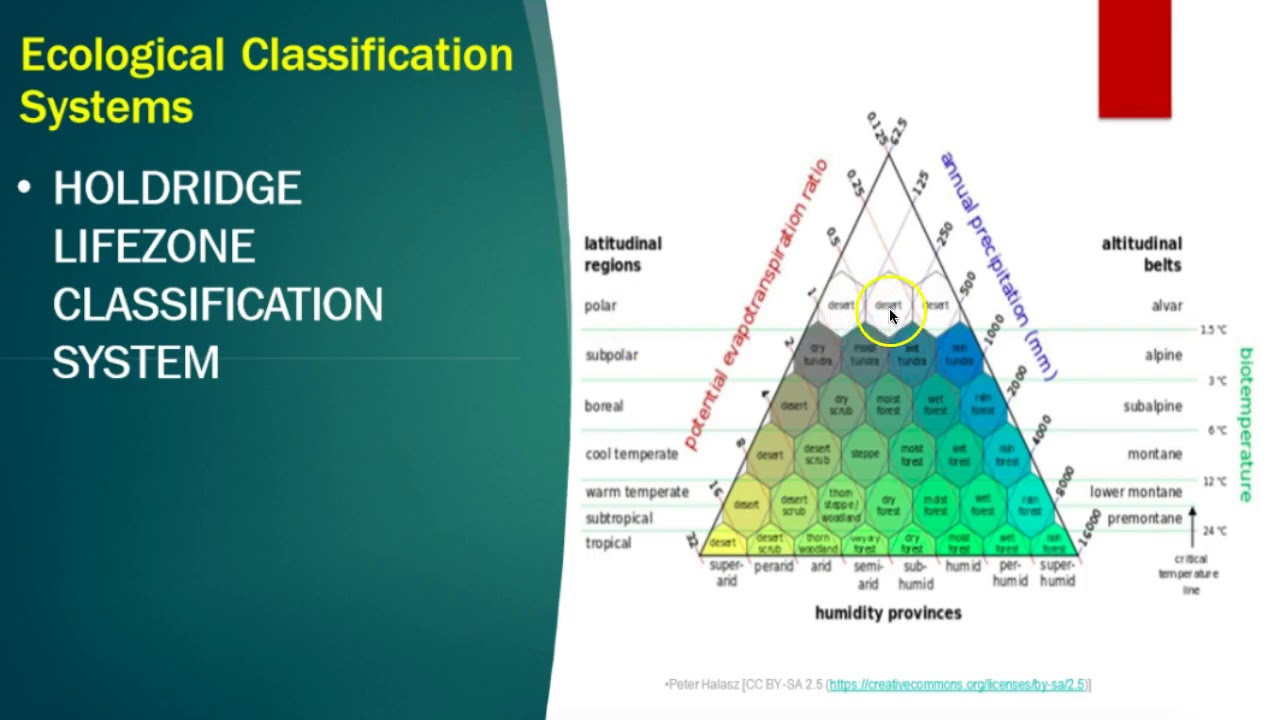
Classification part 1
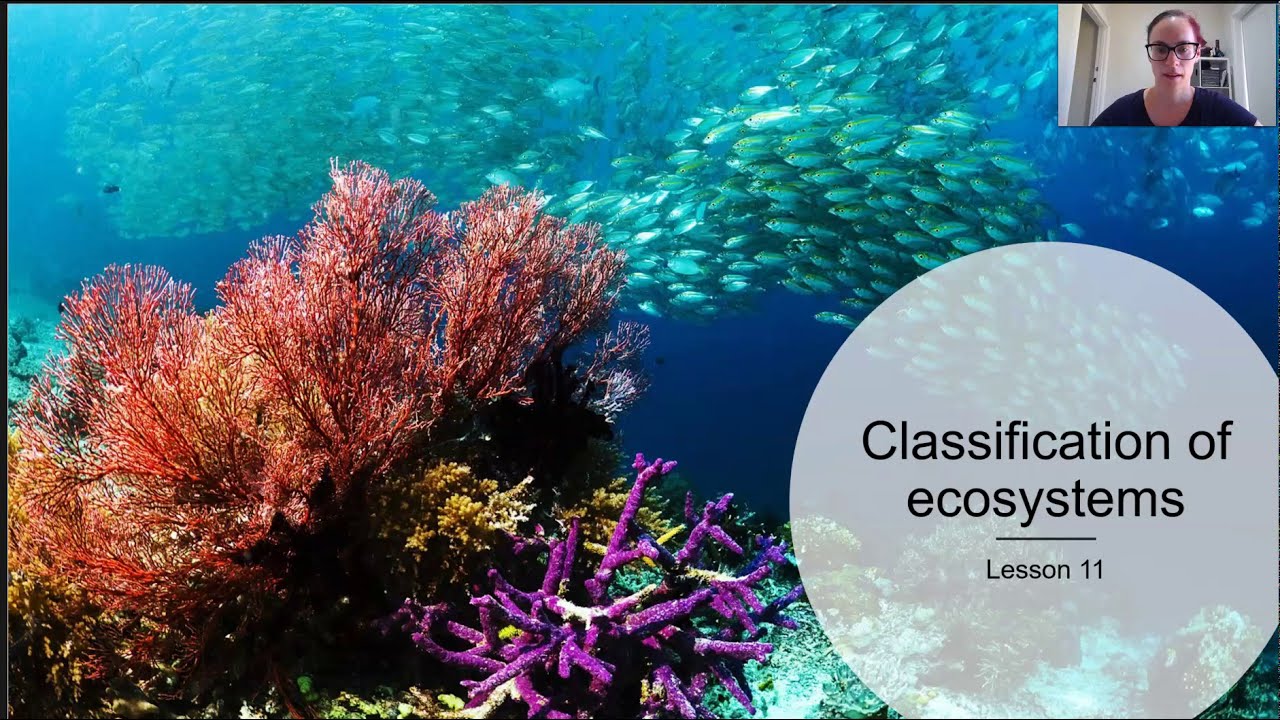


Ecosystem classification is a scientific method used to categorize and organize ecosystems based on specific criteria and characteristics. This process helps in understanding the complex interactions within ecosystems and provides a framework for conservation and management efforts. By classifying ecosystems, scientists and environmentalists can better assess biodiversity, ecological functions, and the impacts of human activities.
Importance of Ecosystem Classification
Ecosystem classification is crucial for several reasons:
- Biodiversity Conservation: By identifying and classifying ecosystems, conservationists can prioritize areas that are rich in biodiversity and require protection.
- Resource Management: It aids in the sustainable management of natural resources by understanding the ecological processes and services provided by different ecosystems.
- Environmental Monitoring: Classification helps in monitoring environmental changes and assessing the impacts of climate change, pollution, and other anthropogenic factors.
- Research and Education: Provides a structured approach for ecological research and serves as an educational tool for understanding the complexity of natural environments.
Criteria for Ecosystem Classification
Ecosystems can be classified based on various criteria, including:
- Biotic Components: The living organisms within an ecosystem, such as plants, animals, and microorganisms.
- Abiotic Components: Non-living elements like climate, soil, water, and topography.
- Functional Processes: The interactions and processes that occur within an ecosystem, such as nutrient cycling, energy flow, and ecological succession.
- Spatial Scale: The geographical extent of an ecosystem, ranging from small-scale habitats to large biomes.
Types of Ecosystem Classification
There are several approaches to classifying ecosystems, each with its own focus and methodology:
1. Terrestrial Ecosystems
These ecosystems are land-based and include:
- Forests: Characterized by a high density of trees and diverse plant and animal species.
- Grasslands: Dominated by grasses and herbaceous plants, with few trees.
- Deserts: Arid regions with sparse vegetation and extreme temperature variations.
- Tundra: Cold, treeless regions with permafrost and limited biodiversity.
2. Aquatic Ecosystems
Aquatic ecosystems are water-based and can be further divided into:
- Freshwater Ecosystems: Includes rivers, lakes, and wetlands, characterized by low salt concentration.
- Marine Ecosystems: Oceans and seas with high salt concentration, supporting diverse marine life.
- Estuarine Ecosystems: Transitional areas where freshwater meets saltwater, rich in nutrients and biodiversity.
3. Human-Made Ecosystems
These are ecosystems altered or created by human activities, such as:
- Urban Ecosystems: Cities and towns with modified landscapes and artificial structures.
- Agricultural Ecosystems: Farmlands and plantations designed for crop and livestock production.
Global Ecosystem Classification Systems
Several global systems have been developed to classify ecosystems, including:
- The International Union for Conservation of Nature (IUCN) Red List of Ecosystems: A comprehensive framework for assessing the conservation status of ecosystems worldwide.
- The United Nations Educational, Scientific and Cultural Organization (UNESCO) Biosphere Reserves: Areas designated to promote sustainable development and conservation.
- The European Nature Information System (EUNIS): A classification system used in Europe to support biodiversity conservation and environmental policy.
Challenges in Ecosystem Classification
Despite its importance, ecosystem classification faces several challenges:
- Complexity and Diversity: Ecosystems are dynamic and complex, making it difficult to categorize them into distinct classes.
- Data Availability: Limited data and resources can hinder accurate classification and assessment.
- Human Impact: Rapid urbanization, deforestation, and climate change can alter ecosystems, complicating classification efforts.