Endive, Growing

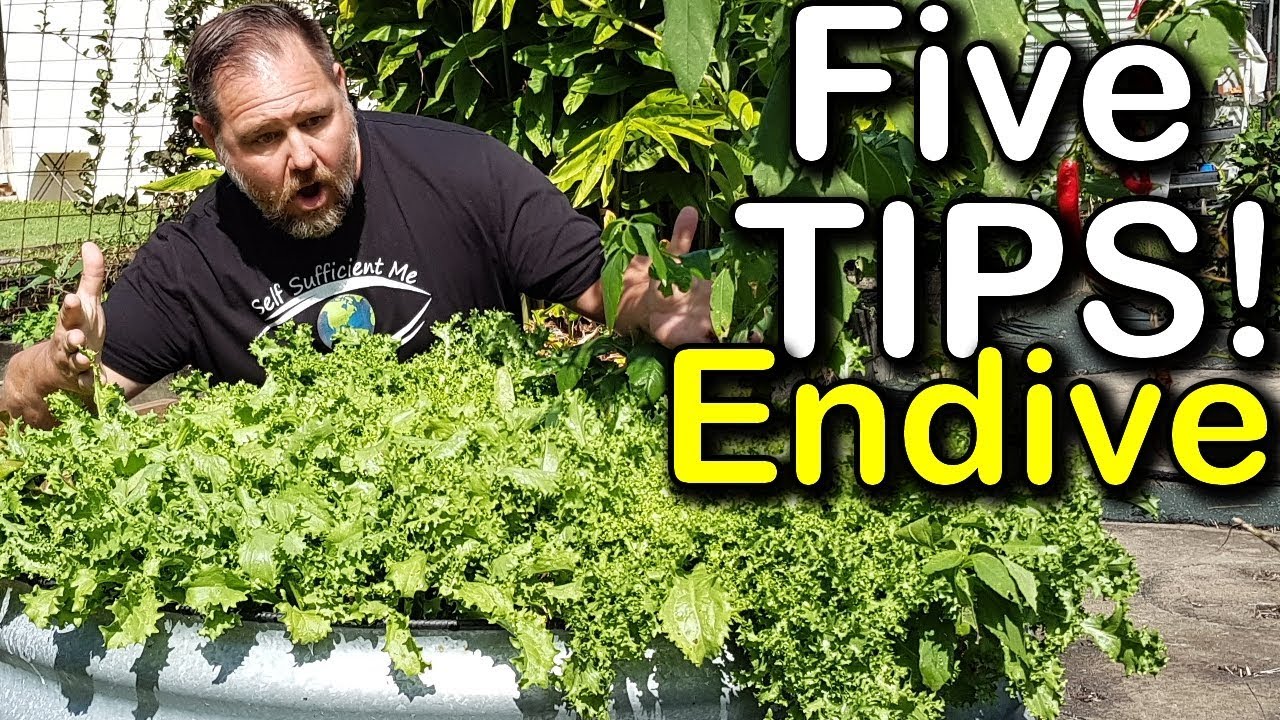
Endive, a leafy green vegetable belonging to the chicory family, is known for its slightly bitter taste and crisp texture. It is a versatile ingredient in salads, soups, and various culinary dishes. Growing endive can be a rewarding experience for both novice and experienced gardeners.
Types of Endive
There are two main types of endive:
- Curly Endive (Frisée): Characterized by its curly, narrow leaves, this variety is often used in salads for its unique texture and slightly bitter flavor.
- Broad-leaved Endive (Escarole): This type has broader, flatter leaves and a milder taste compared to curly endive. It is commonly used in soups and stews.
Ideal Growing Conditions
Endive thrives in cool weather, making it an excellent crop for spring and fall gardens. Here are the key conditions for optimal growth:
Soil
- pH Level: Endive prefers slightly acidic to neutral soil with a pH range of 6.0 to 7.0.
- Soil Type: Well-draining, loamy soil rich in organic matter is ideal. Adding compost or aged manure can improve soil fertility and structure.
Temperature
- Germination: Seeds germinate best at temperatures between 60°F and 70°F.
- Growing Season: Endive grows well in temperatures ranging from 45°F to 75°F. It can tolerate light frosts but may bolt (go to seed) in hot weather.
Sunlight
- Light Requirements: Endive requires full sun to partial shade. Aim for at least 6 hours of direct sunlight per day.
Planting Endive
Starting from Seeds
- Sowing Indoors: Start seeds indoors 4-6 weeks before the last expected frost date. Sow seeds in seed trays or pots filled with seed-starting mix. Keep the soil moist and maintain a temperature of 60°F to 70°F.
- Transplanting: When seedlings have 4-6 true leaves and the danger of frost has passed, transplant them into the garden. Space plants 12-18 inches apart in rows 18-24 inches apart.
Direct Sowing
- Timing: Sow seeds directly in the garden as soon as the soil can be worked in spring or in late summer for a fall crop.
- Depth and Spacing: Sow seeds 1/4 inch deep and thin seedlings to 12-18 inches apart once they are large enough to handle.
Care and Maintenance
Watering
- Consistency: Keep the soil consistently moist but not waterlogged. Endive requires about 1 inch of water per week.
- Mulching: Apply a layer of mulch around the plants to retain moisture and suppress weeds.
Fertilizing
- Initial Fertilization: Incorporate a balanced fertilizer into the soil before planting.
- Ongoing Feeding: Side-dress with compost or a balanced fertilizer every 3-4 weeks during the growing season.
Pest and Disease Management
- Common Pests: Watch out for aphids, slugs, and snails. Use organic pest control methods such as neem oil or diatomaceous earth.
- Diseases: Endive can be susceptible to downy mildew and leaf spot. Ensure good air circulation and avoid overhead watering to minimize disease risk.
Harvesting Endive
Timing
- Curly Endive: Harvest when the leaves are about 5-6 inches long.
- Escarole: Harvest when the heads are firm and the leaves are about 8-12 inches long.
Method
- Cutting: Use a sharp knife or garden shears to cut the plant at the base, just above the soil line.
- Blanching: For a milder flavor, blanch the plants by covering them with a cloth or other material for 2-3 weeks before harvesting. This reduces bitterness by limiting light exposure.
Storage and Usage
- Refrigeration: Store harvested endive in the refrigerator, wrapped in a damp paper towel and placed in a plastic bag. It can last up to two weeks.
- Culinary Uses: Endive can be used fresh in salads, sautéed, or added to soups and stews. Its slightly bitter flavor pairs well with sweet and tangy dressings.