Rice, Cautions
Videos
Health risks from storing cooked rice
Cancer risk from arsenic in rice and seaweed

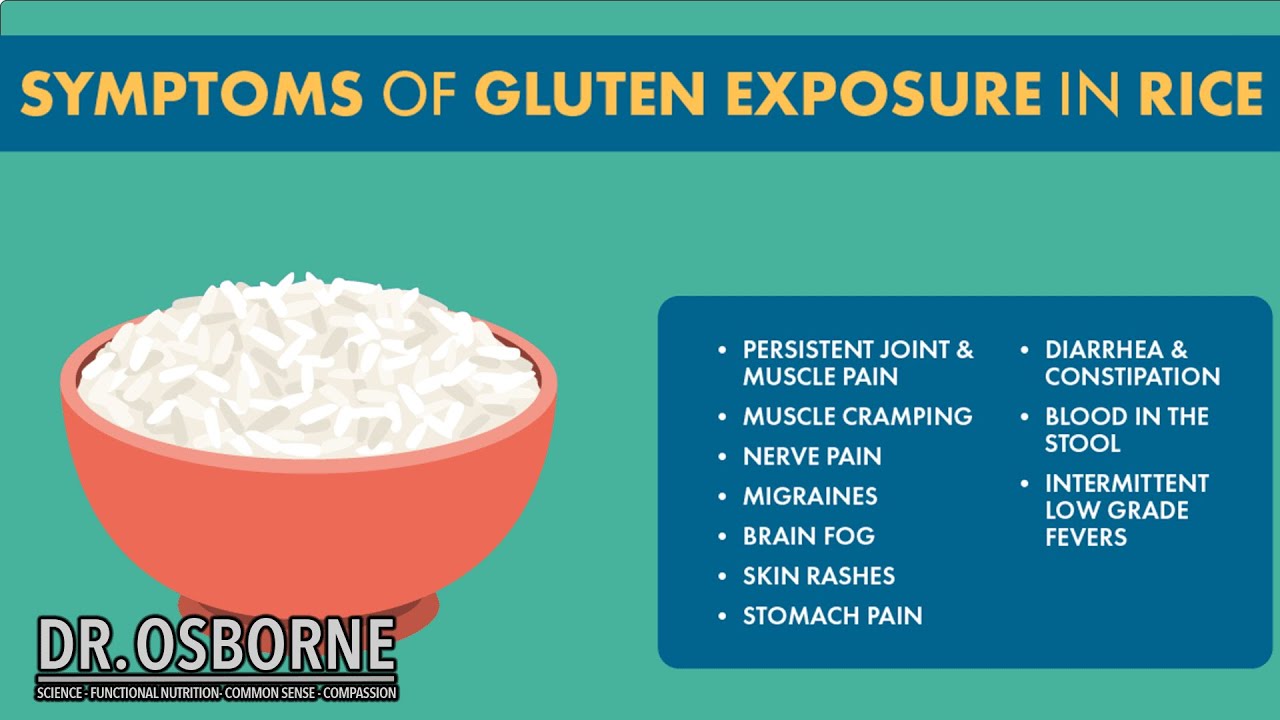
Arsenic in rice:
How Much Arsenic in Rice is Too Much?
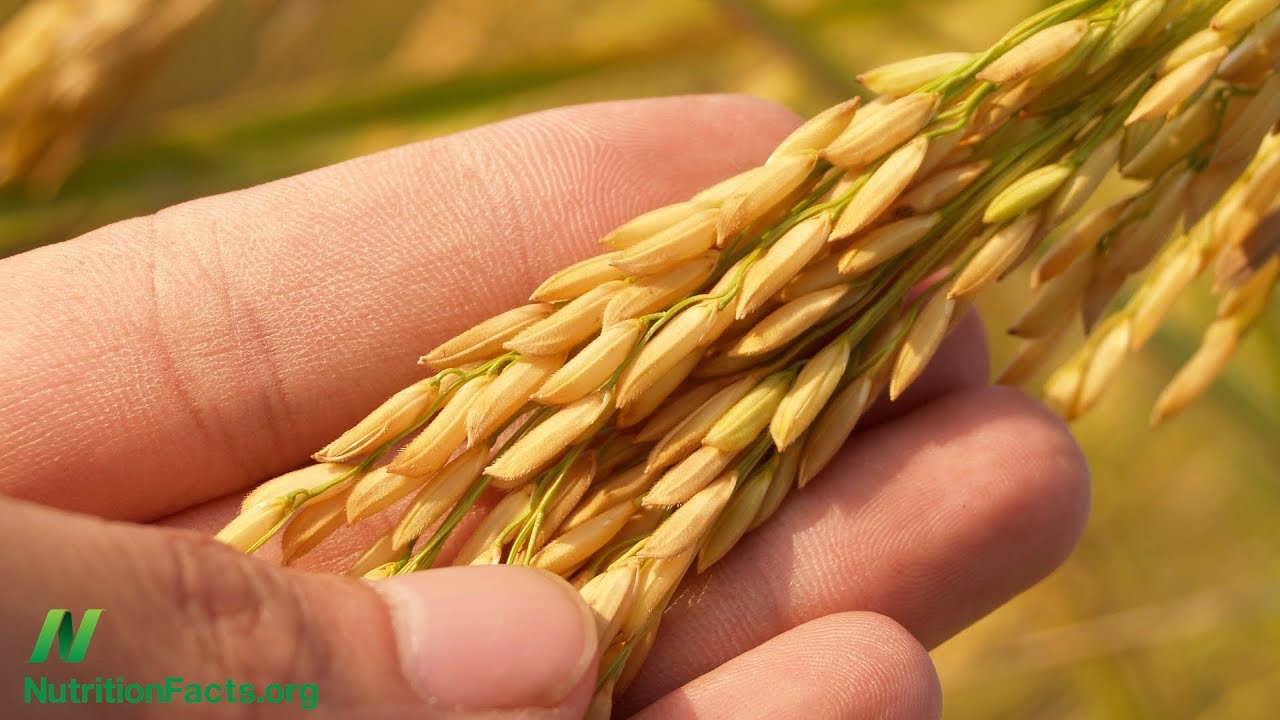
Fact or Fiction: Uncooked Rice is Bad for Birds
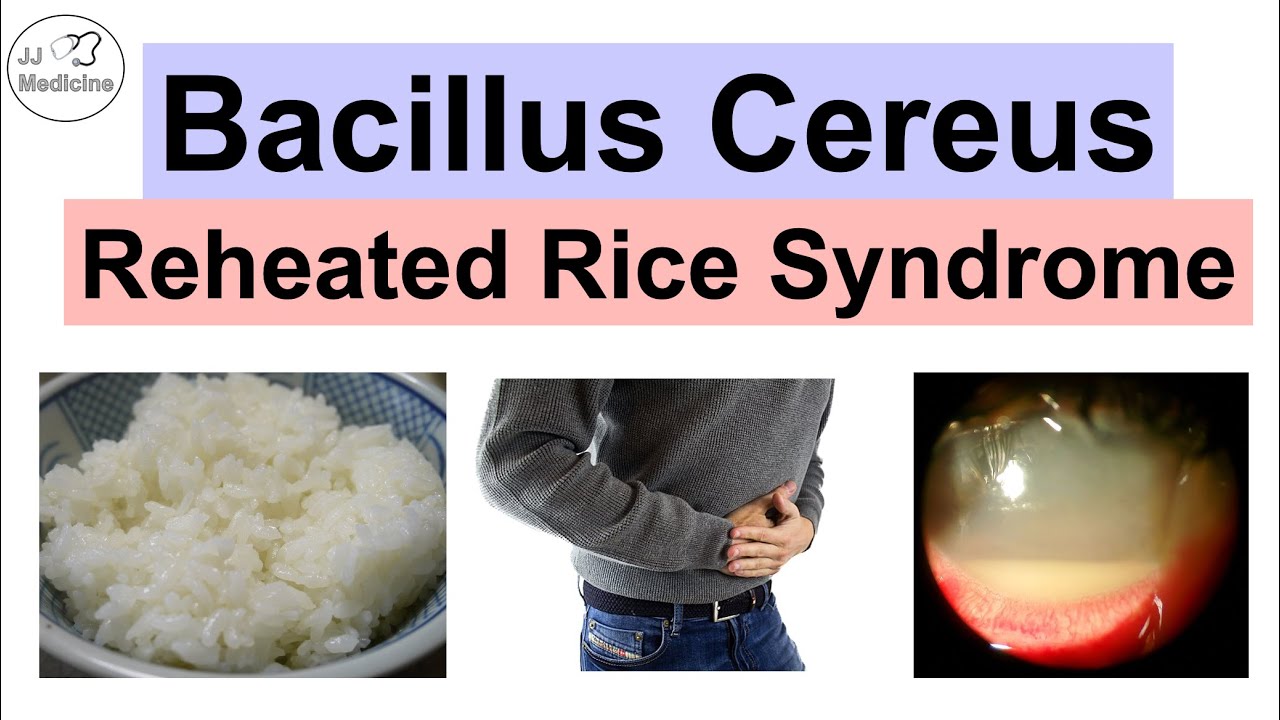
According to the NHS, eating reheated rice can cause food poisoning. They explain that the reheating itself is not the culprit; it actually has to do with how the rice was stored prior to reheating. Rice can sometimes contain spores of bacteria known as Bacillus cereus, which can cause food poisoning, and these spores can survive cooking. If rice is then left to sit at room temperature, the spores can grow into bacteria, which will multiply and could produce toxins that can cause vomiting and diarrhea.
The NHS says that the likelihood of this happening increases with the amount of time the rice sat outside at room temperature. They advise serving rice right away after it has been cooked or else cooling it as quickly as possible – within no more than an hour. They also suggest reheating rice to the point where it is steaming, and avoiding storing it in the refrigerator for longer than one day. (Source)
Don't eat the yellow rice: The danger of deploying vitamin A golden rice