Shell Ginger
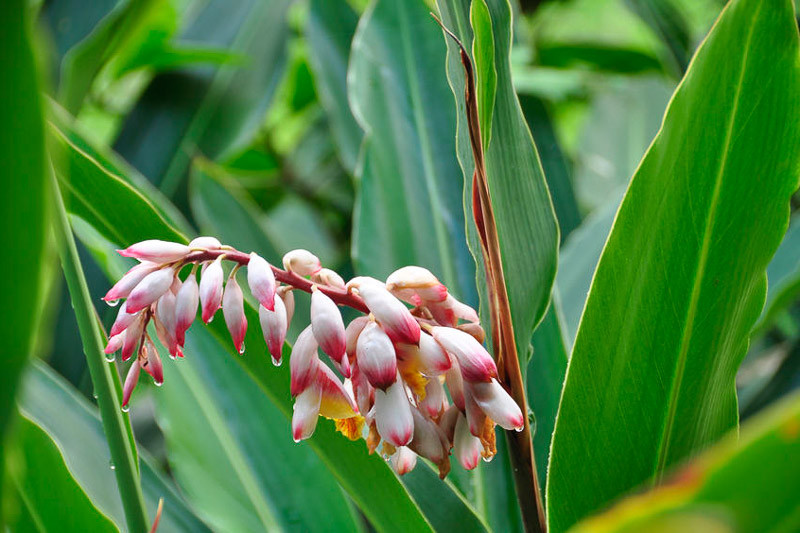
Shell Ginger, scientifically known as Alpinia zerumbet, is a perennial plant belonging to the Zingiberaceae family, which is the same family as ginger. This tropical plant is native to East Asia, particularly Japan, and is widely cultivated in various parts of the world for its ornamental and medicinal properties.
Botanical Characteristics
Appearance
Shell Ginger is a robust, clump-forming plant that can grow up to 8-10 feet tall. It features long, arching stems with lance-shaped leaves that can reach up to 2 feet in length. The leaves are glossy and dark green, often with a striking variegated pattern of yellow and green stripes.
Flowers
The plant is renowned for its beautiful, shell-like flowers, which is how it gets its common name. The flowers are typically white or pink with yellow and red markings, and they grow in drooping clusters. These flowers are not only visually appealing but also emit a pleasant fragrance.
Fruits
After flowering, Shell Ginger produces small, round fruits that are initially green but turn red as they mature. These fruits contain seeds that can be used for propagation.
Growing Conditions
Climate
Shell Ginger thrives in tropical and subtropical climates. It prefers warm temperatures and high humidity, making it ideal for USDA hardiness zones 8-11. The plant can tolerate light frost but may suffer damage if exposed to prolonged cold.
Soil
The plant prefers well-drained, fertile soil rich in organic matter. It can tolerate a range of soil types, including sandy and loamy soils, but it performs best in slightly acidic to neutral pH levels.
Light
Shell Ginger grows well in partial to full shade. While it can tolerate full sun, too much direct sunlight can scorch the leaves, especially in hotter climates.
Watering
Regular watering is essential for Shell Ginger, particularly during the growing season. The soil should be kept consistently moist but not waterlogged. Mulching can help retain soil moisture and regulate temperature.
Propagation
Division
The most common method of propagating Shell Ginger is through division. This involves separating the rhizomes (underground stems) and planting them in new locations. Division is best done in the spring or early summer when the plant is actively growing.
Seeds
Propagation from seeds is also possible but less common. The seeds should be sown in a well-draining seed mix and kept in a warm, humid environment until they germinate.
Uses
Ornamental
Shell Ginger is widely used as an ornamental plant in gardens and landscapes. Its striking foliage and attractive flowers make it a popular choice for borders, hedges, and container planting. It can also be used as a ground cover in shaded areas.
Medicinal
In traditional medicine, various parts of the Shell Ginger plant are used for their therapeutic properties. The rhizomes are known for their anti-inflammatory, antioxidant, and antimicrobial effects. They are often used in herbal remedies to treat digestive issues, respiratory problems, and skin conditions.
Culinary
While not as commonly used as culinary ginger, the young shoots and leaves of Shell Ginger are sometimes used in cooking, particularly in Asian cuisine. They can be used to flavor soups, stews, and rice dishes.
Care and Maintenance
Pruning
Regular pruning helps maintain the plant's shape and encourages new growth. Dead or damaged leaves and stems should be removed to keep the plant healthy. Pruning is best done in the late winter or early spring.
Fertilization
Shell Ginger benefits from regular feeding with a balanced, slow-release fertilizer. Fertilization should be done during the growing season, typically from spring to early fall.
Pests and Diseases
Shell Ginger is relatively pest-resistant but can occasionally be affected by aphids, spider mites, and mealybugs. These pests can be controlled with insecticidal soap or neem oil. The plant is also susceptible to fungal diseases like leaf spot and root rot, which can be prevented by ensuring proper drainage and avoiding overwatering.