Shining False Indigo
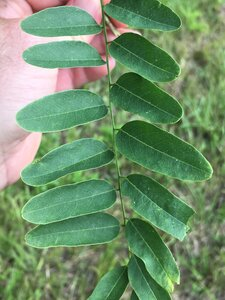
Amorpha nitens, commonly known as the Shining False Indigo, is a plant species belonging to the Fabaceae family. This perennial shrub is native to the southeastern United States and is known for its striking appearance and ecological benefits.
Botanical Characteristics
Amorpha nitens is a deciduous shrub that typically grows to a height of 3 to 6 feet. It is characterized by its glossy, dark green leaves that give the plant its common name, Shining False Indigo. The leaves are pinnately compound, consisting of 11 to 25 leaflets that are elliptic to ovate in shape. The plant produces small, purple flowers arranged in dense, spike-like racemes. These flowers bloom from late spring to early summer and are known for their unique structure, having only one petal and numerous stamens.
Key Features
- Height: 3 to 6 feet
- Leaves: Pinnately compound, glossy, dark green
- Flowers: Small, purple, spike-like racemes
- Blooming Season: Late spring to early summer
Habitat and Distribution
Amorpha nitens is native to the southeastern United States, particularly in states like Alabama, Georgia, and Florida. It thrives in a variety of habitats, including open woodlands, riverbanks, and prairies. The plant prefers well-drained soils and can tolerate both full sun and partial shade. Its adaptability to different environmental conditions makes it a resilient species in its native range.
Preferred Conditions
- Soil: Well-drained
- Light: Full sun to partial shade
- Habitat: Open woodlands, riverbanks, prairies
Ecological Significance
Amorpha nitens plays a crucial role in its ecosystem. As a member of the Fabaceae family, it has the ability to fix nitrogen in the soil through a symbiotic relationship with nitrogen-fixing bacteria. This process enriches the soil, making it more fertile and beneficial for other plant species. Additionally, the plant provides habitat and food for various wildlife, including pollinators like bees and butterflies.
Ecological Benefits
- Nitrogen Fixation: Enriches soil fertility
- Wildlife Support: Provides habitat and food for pollinators
Uses and Applications
While Amorpha nitens is not widely known for its commercial uses, it has several applications in landscaping and ecological restoration. Its attractive foliage and flowers make it a popular choice for ornamental planting in gardens and parks. Moreover, its ability to improve soil quality makes it valuable in restoration projects aimed at rehabilitating degraded lands.
Applications
- Ornamental Planting: Gardens, parks
- Ecological Restoration: Soil improvement, habitat restoration
Conservation Status
Amorpha nitens is not currently listed as a threatened or endangered species. However, like many native plants, it faces challenges from habitat loss and competition with invasive species. Conservation efforts focused on preserving natural habitats and promoting native plant species can help ensure the continued survival of Amorpha nitens.
Conservation Efforts
- Habitat Preservation: Protecting natural habitats
- Promotion of Native Species: Encouraging the use of native plants in landscaping and restoration