Headache, Cluster
Videos
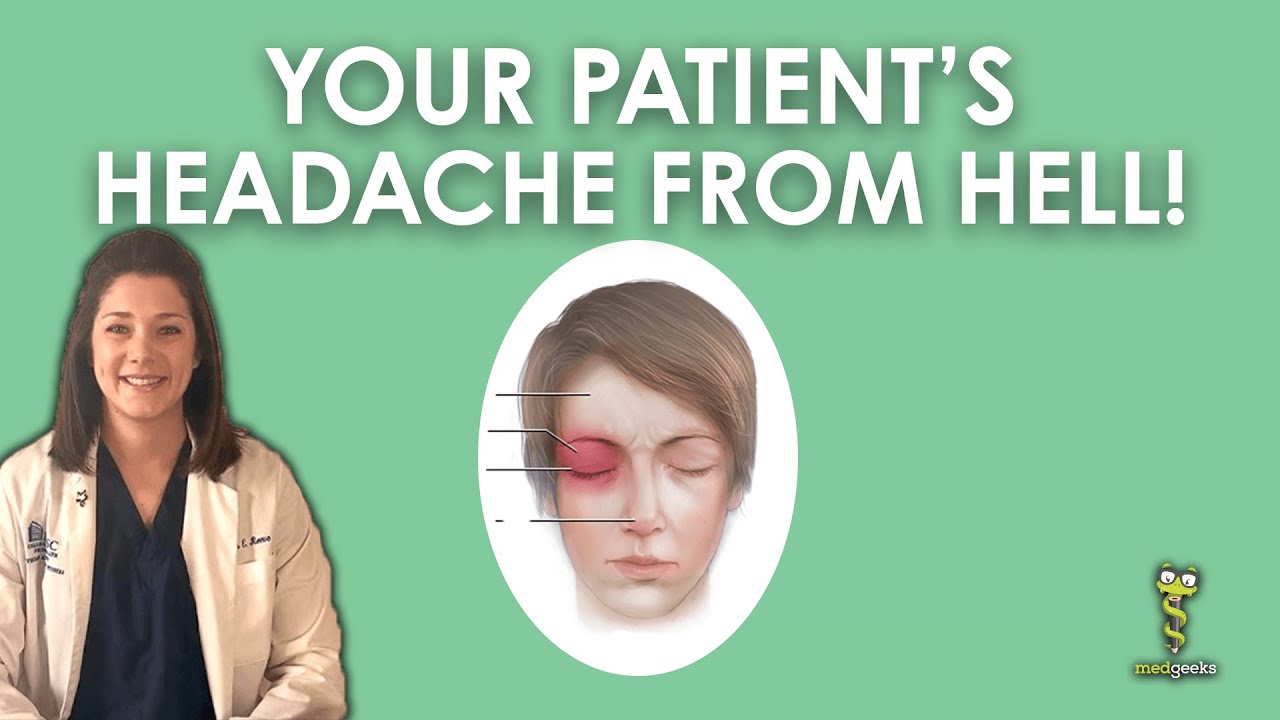
What are cluster headaches?

Treating Cluster Headaches with Psychedelics

New Device Offers Relief For Cluster Headaches
Cluster headache Relief
Cluster headaches are a type of headache disorder characterized by severe, recurring pain that typically occurs on one side of the head. These headaches are known for their intense pain and cyclical nature, often leading to significant discomfort and disruption in daily life.
Symptoms of Cluster Headaches
Cluster headaches are distinct from other types of headaches due to their unique set of symptoms. Some of the most common symptoms include:
- Severe Pain: The pain is often described as sharp, burning, or piercing and is usually located around or behind one eye. It can also radiate to other areas of the face, head, neck, and shoulders.
- Unilateral Pain: The pain typically affects only one side of the head, although it can switch sides in some cases.
- Restlessness: During an attack, individuals often feel agitated and unable to sit still, unlike migraines where sufferers may prefer to lie down in a dark room.
- Autonomic Symptoms: These may include tearing of the eye, redness of the eye, nasal congestion, runny nose, and drooping of the eyelid on the affected side.
- Short Duration: Each headache attack usually lasts between 15 minutes to 3 hours, but they can occur multiple times a day.
- Cluster Periods: These headaches occur in clusters, meaning they happen frequently over a period of weeks or months, followed by remission periods where the headaches stop completely.
Causes and Triggers
The exact cause of cluster headaches is not fully understood, but they are believed to be related to abnormalities in the hypothalamus, a part of the brain that regulates biological rhythms. Some potential triggers that may provoke an attack include:
- Alcohol Consumption: Alcohol is a well-known trigger for cluster headaches during a cluster period.
- Strong Smells: Perfumes, paint fumes, and gasoline can sometimes trigger an attack.
- Changes in Sleep Patterns: Disruptions in sleep, such as jet lag or shift work, may trigger headaches.
- High Altitudes: Some individuals report headaches when traveling to high-altitude areas.
- Low Testosterone
Diagnosis
Diagnosing cluster headaches involves a thorough medical history and physical examination. A healthcare provider may ask about the frequency, duration, and intensity of the headaches, as well as any associated symptoms. Imaging tests such as MRI or CT scans may be used to rule out other conditions that could cause similar symptoms.
Treatment Options
While there is no cure for cluster headaches, several treatment options can help manage the symptoms and reduce the frequency of attacks:
Acute Treatments
- Oxygen Therapy: Inhaling pure oxygen through a mask can provide rapid relief for many individuals.
- Triptans: Medications such as sumatriptan or zolmitriptan can be effective in treating acute attacks.
- Intranasal Lidocaine: This local anesthetic can be used to relieve pain when applied to the nasal passages.
Preventive Treatments
- Verapamil: A calcium channel blocker that is often the first choice for preventing cluster headaches.
- Lithium: Sometimes used for chronic cluster headaches.
- Corticosteroids: Short-term use of steroids like prednisone can help break a cluster cycle.
- Nerve Blocks: Injections around the occipital nerve can provide relief for some individuals.
Lifestyle and Coping Strategies
In addition to medical treatments, certain lifestyle changes and coping strategies can help manage cluster headaches:
- Maintain a Regular Sleep Schedule: Consistent sleep patterns can help reduce the risk of attacks.
- Avoid Known Triggers: Identifying and avoiding personal triggers can prevent headaches.
- Stress Management: Techniques such as meditation, yoga, or deep breathing exercises can help manage stress, which may reduce the frequency of headaches.
- Support Groups: Connecting with others who experience cluster headaches can provide emotional support and practical advice.
Articles/Studies
CLUSTER HEADACHE: THE SIGNS AND SYMPTOMS
Rectification of low levels of testosterone associated with cluster headache results in improvement.
The role of oxygen in cluster headache.
Psilocybin and LSD led to beneficial responses in cluster headaches.
Anecdotal evidence suggests that Kudzu may be effective in the management of cluster headaches.
Melatonin has potential therapeutic value in migraine and other headache disorders.