Myrtle Leaf Holly
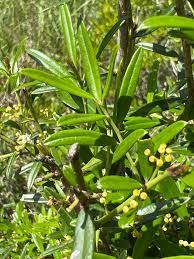
The Myrtle Leaf Holly, scientifically known as Ilex myrtifolia, is a distinctive species of holly native to the southeastern United States. This evergreen shrub or small tree is appreciated for its ornamental value, adaptability, and ecological benefits. It is a member of the Aquifoliaceae family, which includes a variety of holly species known for their glossy leaves and bright berries.
Description
Myrtle Leaf Holly is characterized by its narrow, lance-shaped leaves that resemble those of the myrtle plant, hence its name. The leaves are typically 1 to 2 inches long, with a glossy, dark green appearance. Unlike many other holly species, the leaves of Ilex myrtifolia are smooth-edged, lacking the spiny margins commonly associated with hollies.
The plant can grow as a shrub or a small tree, reaching heights of 15 to 25 feet, with a spread of 10 to 15 feet. It has a dense, upright growth habit, making it an excellent choice for hedges, screens, or as a standalone specimen in the landscape.
Flowers and Fruit
In spring, Myrtle Leaf Holly produces small, inconspicuous white flowers. These flowers are not particularly showy but are important for pollinators. The plant is dioecious, meaning that male and female flowers are borne on separate plants. For fruit production, both male and female plants are needed.
The female plants produce small, bright red berries in the fall, which persist into winter. These berries are a significant attraction, providing a splash of color in the colder months and serving as a food source for birds and other wildlife.
Growing Conditions
Myrtle Leaf Holly is well-suited to a variety of growing conditions, making it a versatile choice for gardeners. It thrives in USDA hardiness zones 7 through 9. Here are some key considerations for its cultivation:
- Light: Prefers full sun to partial shade. While it can tolerate some shade, berry production is best in sunnier locations.
- Soil: Adaptable to a range of soil types, including sandy, loamy, and clay soils. It prefers well-drained soil but can tolerate occasional flooding, making it suitable for wetland areas.
- Water: Once established, it is moderately drought-tolerant. However, regular watering is beneficial, especially during prolonged dry spells.
- Maintenance: Requires minimal maintenance. Pruning can be done to shape the plant or remove any dead or damaged branches.
Ecological Benefits
Myrtle Leaf Holly plays a vital role in its native ecosystem. The berries are a crucial food source for birds, including robins, cedar waxwings, and bluebirds. The dense foliage provides shelter and nesting sites for various bird species. Additionally, the flowers attract pollinators such as bees and butterflies, contributing to the plant's ecological value.
Landscape Uses
Due to its attractive foliage and berries, Myrtle Leaf Holly is a popular choice for landscaping. It can be used in several ways:
- Hedges and Screens: Its dense growth habit makes it ideal for creating privacy screens or hedges.
- Specimen Plant: When planted as a standalone specimen, it can serve as a focal point in the garden.
- Wildlife Gardens: Its ecological benefits make it a great addition to wildlife-friendly gardens.
Challenges and Considerations
While Myrtle Leaf Holly is generally easy to grow, there are a few challenges to consider:
- Pests and Diseases: It is relatively pest-resistant but can occasionally be affected by scale insects or leaf spot diseases.
- Invasiveness: In some areas, holly species can become invasive. It's essential to monitor its spread and manage seedlings appropriately.