Etorphine / M99
1000 - 2000 times as strong as hydrocodone or oral morphine. The drug Dexter used in the TV show to knock out his victims. Not really used in human medicine but veterinarians will use it to knock out animals (like bears).
What Is The Most Dangerous Drug In The World? ft. In A Nutshell

Elephant tranquilizer blamed for recent wave of heroin overdoses:
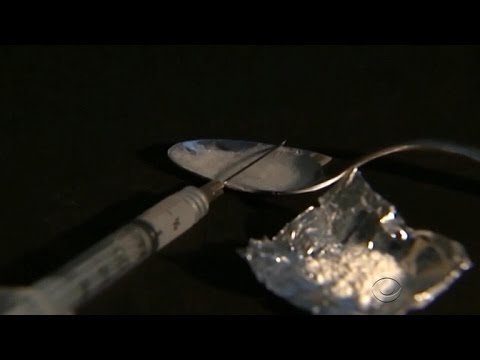
Etorphine, commonly known as M99, is a potent synthetic opioid that is primarily used in veterinary medicine. It is renowned for its extraordinary potency, which is approximately 1,000 to 3,000 times stronger than morphine. This makes it one of the most powerful opioids available, necessitating careful handling and administration.
Chemical Composition and Properties
Etorphine is chemically related to morphine and is part of the oripavine class of opioids. Its chemical structure is designed to bind strongly to the mu-opioid receptors in the central nervous system, which accounts for its high potency. The drug is typically available in a hydrochloride salt form, which is water-soluble and suitable for injection.
Veterinary Applications
Etorphine is primarily used in veterinary settings, particularly for the immobilization of large animals such as elephants, rhinoceroses, and other megafauna. Its rapid onset and profound sedative effects make it ideal for situations where quick and effective immobilization is necessary. The drug allows veterinarians to perform medical procedures, transport, or manage wildlife without causing undue stress or harm to the animals.
Advantages in Veterinary Use
- High Potency: Allows for the use of very small volumes, which is beneficial when dealing with large animals.
- Rapid Onset: Provides quick sedation, which is crucial in emergency situations.
- Reversibility: The effects of etorphine can be rapidly reversed with the administration of an opioid antagonist such as diprenorphine (M5050), allowing for controlled recovery.
Safety and Handling
Due to its extreme potency, etorphine poses significant risks to humans. Even a small accidental exposure can be fatal. Therefore, strict safety protocols are in place for its handling and administration. Personnel involved in its use must be trained and equipped with protective gear, and an opioid antagonist must be readily available in case of accidental exposure.
Safety Measures
- Protective Equipment: Use of gloves, masks, and protective clothing to prevent skin contact or inhalation.
- Antidote Availability: Having diprenorphine or naloxone on hand to counteract accidental exposure.
- Training: Ensuring that all personnel are trained in the safe handling and administration of etorphine.
Legal and Regulatory Status
Etorphine is classified as a Schedule I controlled substance under the Controlled Substances Act in the United States, reflecting its high potential for abuse and lack of accepted medical use in humans. Its use is strictly regulated, and it is only available to licensed veterinarians for specific purposes. Internationally, it is also subject to stringent controls under the Convention on Psychotropic Substances.
Ethical Considerations
The use of etorphine in wildlife management raises several ethical considerations. While it provides a means to manage and conserve wildlife populations, its use must be balanced with the welfare of the animals. Ensuring that the drug is used responsibly and only when necessary is crucial to maintaining ethical standards in veterinary practice.
Alternatives and Future Directions
While etorphine remains a critical tool in veterinary medicine, research into alternative immobilization methods continues. The development of new drugs with similar efficacy but reduced risks to humans is an ongoing area of interest. Additionally, non-chemical methods of animal management, such as improved capture techniques and the use of technology, are being explored to reduce reliance on potent opioids.