Feefee
Constituents
Range: S. America - Paraguay, Brazil, Bolivia, Peru, Ecuador, Colombia, Venezuela, Guyana; C. America - Panama to southern Mexico; Caribbean.
Feefee, scientifically known as Centrosema plumieri, is a plant species belonging to the Fabaceae family. This perennial vine is native to tropical and subtropical regions of the Americas, particularly thriving in the Caribbean, Central America, and parts of South America.
Botanical Description
Feefee is a climbing vine that can reach lengths of up to 3 meters. It features slender, twining stems that allow it to climb over other vegetation or structures. The leaves are trifoliate, meaning they are composed of three leaflets. Each leaflet is ovate to lanceolate in shape, with a smooth margin and a pointed tip. The leaves are typically bright green, providing a lush backdrop for the plant's vibrant flowers.
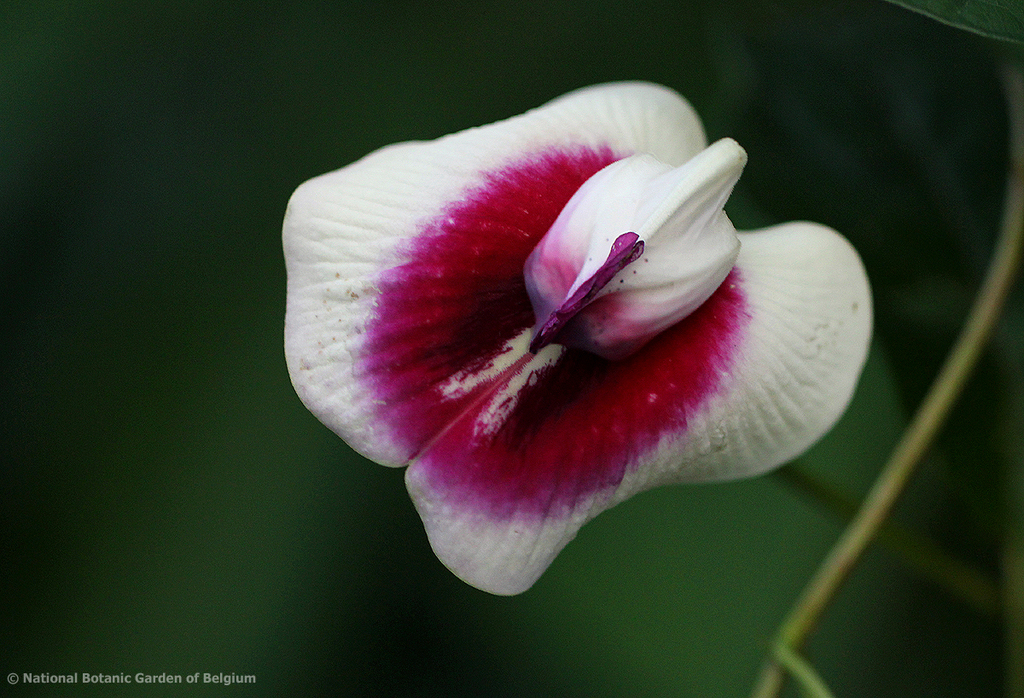
The flowers of Centrosema plumieri are perhaps its most distinctive feature. They are large, showy, and typically range in color from lavender to deep purple, although white and pink varieties also exist. The flowers are papilionaceous, resembling the shape of a butterfly, which is a characteristic trait of many members of the Fabaceae family. Each flower has a prominent standard petal, two wing petals, and a keel formed by two fused petals. The blooming period usually occurs from late spring to early fall, depending on the climate.
Habitat and Distribution
Feefee is well-adapted to a variety of habitats, including coastal areas, open woodlands, and disturbed sites such as roadsides and abandoned fields. It prefers well-drained soils and can tolerate a range of soil types, from sandy to loamy. The plant thrives in full sun to partial shade, making it a versatile addition to gardens and natural landscapes.
In its native range, Centrosema plumieri plays a crucial role in the ecosystem. It provides nectar for a variety of pollinators, including bees, butterflies, and hummingbirds. The plant's ability to fix nitrogen in the soil through a symbiotic relationship with root-dwelling bacteria also contributes to soil fertility, benefiting surrounding vegetation.
Uses and Benefits
Feefee has several uses and benefits, both ecological and practical:
- Ecological Benefits: As a nitrogen-fixing plant, Feefee improves soil health and fertility, making it a valuable component of sustainable agriculture and reforestation projects. Its flowers attract pollinators, supporting biodiversity and the health of local ecosystems.
- Ornamental Use: The striking flowers and lush foliage of Centrosema plumieri make it a popular choice for ornamental gardening. It can be used to cover trellises, fences, and arbors, adding a splash of color and visual interest to gardens and landscapes.
- Erosion Control: The vine's extensive root system helps stabilize soil, making it useful for erosion control on slopes and embankments.
- Forage: In some regions, Feefee is used as forage for livestock. Its high protein content makes it a nutritious addition to animal diets.
Cultivation and Care
Cultivating Feefee is relatively straightforward, provided its basic needs are met. Here are some tips for successful growth:
- Soil: Plant Feefee in well-drained soil. While it can tolerate a range of soil types, it performs best in sandy or loamy soils.
- Light: Ensure the plant receives full sun to partial shade. Too much shade can reduce flowering.
- Watering: Water the plant regularly, especially during dry periods. However, avoid waterlogging, as Feefee prefers well-drained conditions.
- Support: Provide a structure for the vine to climb, such as a trellis or fence. This will help the plant grow upright and display its flowers prominently.
- Pruning: Prune the plant as needed to control its growth and shape. Regular pruning can also encourage more vigorous flowering.
Potential Challenges
While Feefee is generally hardy and easy to grow, it can face some challenges:
- Pests and Diseases: Like many plants, Feefee can be susceptible to pests such as aphids and spider mites. Regular monitoring and appropriate pest control measures can help keep these issues in check.
- Invasive Potential: In some regions, Centrosema plumieri can become invasive, outcompeting native vegetation. It's important to monitor its growth and prevent it from spreading uncontrollably.