Common Dodder /Devil's Guts / Scaldweed
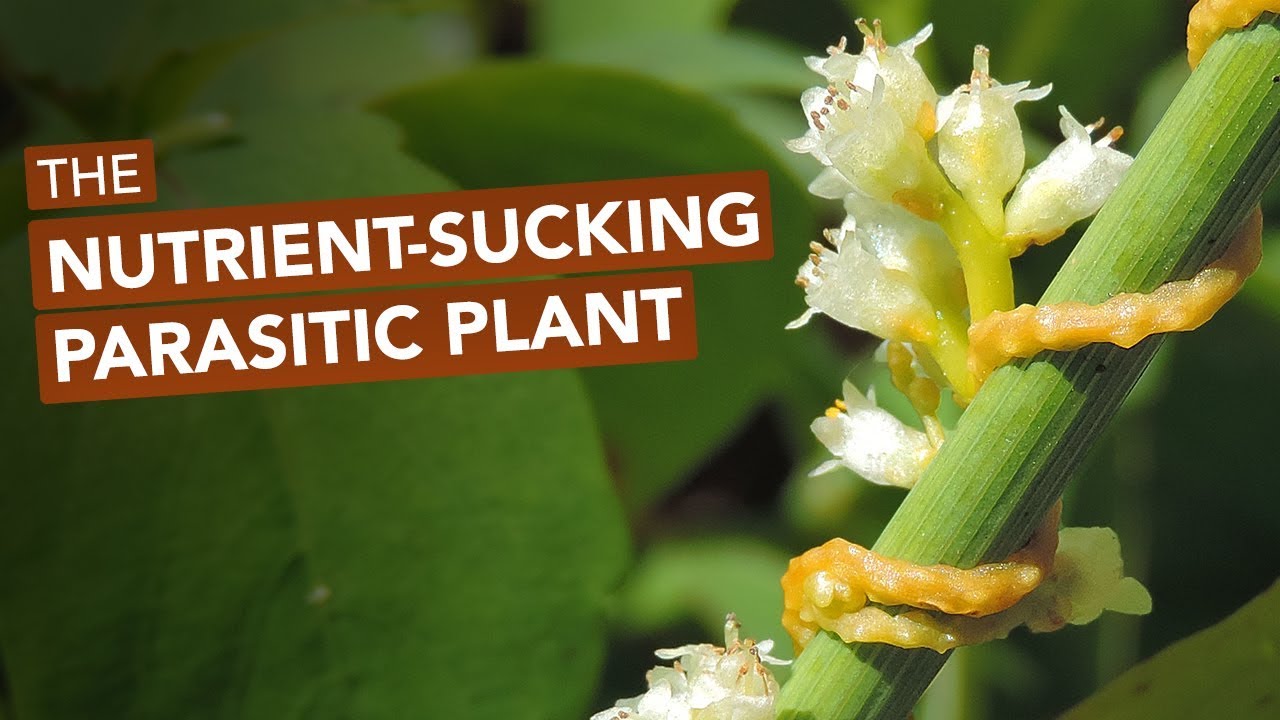
Cuscuta gronovii, commonly known as the common dodder or Gronovius' dodder, is a unique and intriguing plant species that belongs to the family Convolvulaceae. This parasitic plant is native to North America and can be found in wetland habitats, particularly in swampy areas.
Morphology and Characteristics
One of the most distinctive features of Cuscuta gronovii is its lack of chlorophyll, which sets it apart from typical green plants. As a parasitic plant, Cuscuta gronovii has evolved to obtain nutrients and water from its host plants, bypassing the need for photosynthesis. This adaptation is reflected in its appearance, as the dodder plant appears yellow to orange in color due to the absence of chlorophyll.
The stem of Cuscuta gronovii is thin and twining, allowing it to wrap around its host plant and extract nutrients through specialized structures called haustoria. These haustoria penetrate the host plant's vascular system, enabling Cuscuta gronovii to absorb water, sugars, and other essential compounds for its growth and development.
Host Plant Interactions
Cuscuta gronovii is a parasitic plant that relies on host plants for survival. It has a remarkable ability to detect and locate suitable host plants through chemical cues. Once in contact with a potential host, the dodder plant quickly coils around the host's stem and establishes connections through its haustoria.
The parasitic relationship between Cuscuta gronovii and its host plants can have both negative and positive impacts. While the dodder plant deprives the host of nutrients and may weaken it over time, it can also stimulate the host's defense responses, leading to increased production of secondary metabolites that may benefit both plants.
Reproduction and Life Cycle
Cuscuta gronovii reproduces both sexually and asexually, contributing to its success as a parasitic plant. The dodder plant produces small, white flowers that are pollinated by insects, resulting in the formation of seeds. These seeds are dispersed through various means, such as water, wind, or animal transport, allowing Cuscuta gronovii to colonize new areas and find suitable host plants.
In addition to sexual reproduction, Cuscuta gronovii can also reproduce asexually through vegetative propagation. When the dodder plant establishes connections with multiple host plants, it can spread rapidly and form dense clusters, further enhancing its ability to extract nutrients and thrive in diverse environments.
Ecological Significance
Cuscuta gronovii plays a significant role in wetland ecosystems, where it can influence plant community dynamics and nutrient cycling. As a parasitic plant, the dodder plant can impact the growth and survival of its host plants, leading to changes in species composition and diversity within a habitat.
Despite its parasitic nature, Cuscuta gronovii contributes to the overall biodiversity of wetland ecosystems by creating unique interactions and dependencies among plant species. Its presence can also serve as an indicator of environmental conditions and habitat quality, making it a valuable species for ecological studies and conservation efforts.
Conservation and Management
While Cuscuta gronovii is not considered a threatened species, its presence in certain habitats may raise concerns about its impact on native plant communities. Invasive species of dodder plants, such as Cuscuta gronovii, can outcompete native vegetation and disrupt ecosystem balance if left unmanaged.
Conservation efforts for Cuscuta gronovii may involve monitoring its spread, controlling infestations in sensitive areas, and promoting awareness of its ecological role. By understanding the biology and behavior of dodder plants like Cuscuta gronovii, conservationists can develop strategies to mitigate potential negative effects and preserve the diversity of wetland ecosystems.