Aging, Premature
Videos
How makeup can cause premature aging

5 hormones that cause premature aging:
Treatment Strategies
Understanding Premature Aging
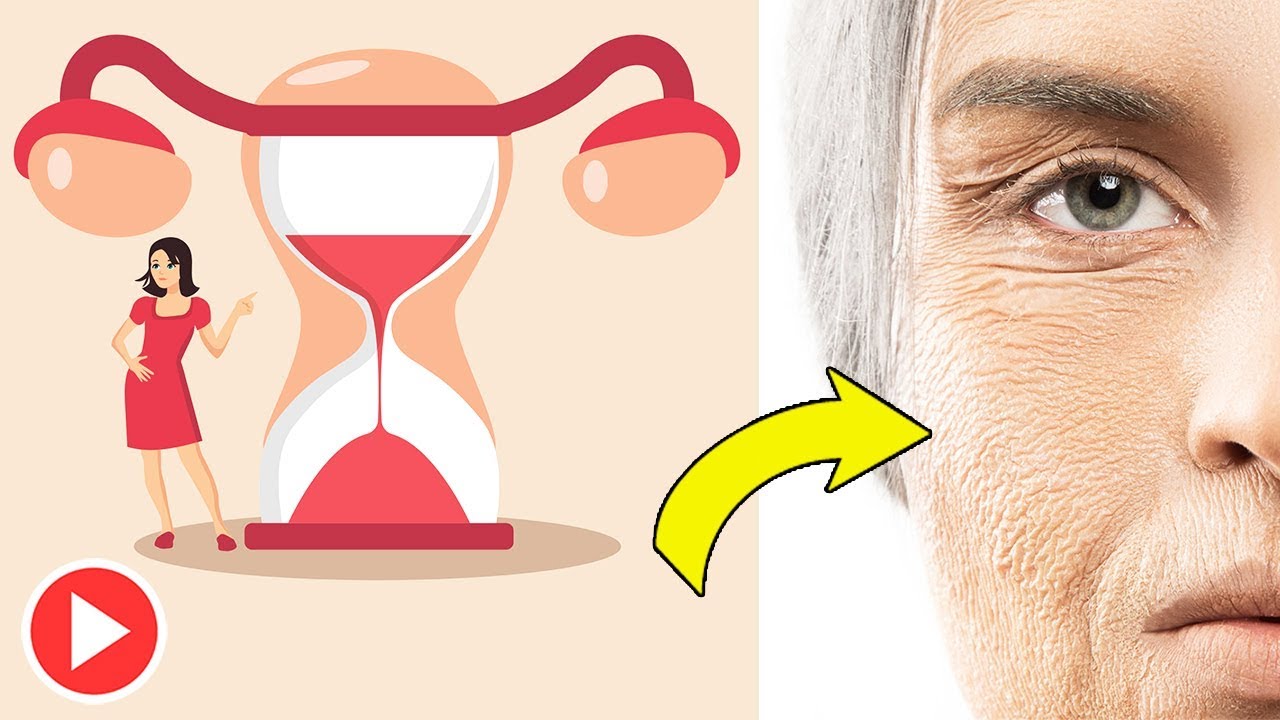
Premature aging is a condition where the natural aging process occurs at an accelerated rate. This phenomenon can manifest in various ways, affecting both the physical appearance and the internal systems of the body. While aging is a natural part of life, premature aging can lead to a range of health issues and concerns that may impact an individual's quality of life.
Causes of Premature Aging
Several factors contribute to premature aging, and understanding these can help in mitigating its effects:
1. Genetic Factors
Genetics play a significant role in how quickly an individual ages. Certain genetic disorders, such as Hutchinson-Gilford Progeria Syndrome and Werner Syndrome, are known to cause rapid aging in children and adults, respectively. These conditions are rare but highlight the impact of genetics on aging.
2. Environmental Factors
Environmental influences, such as exposure to ultraviolet (UV) radiation from the sun, can accelerate the aging process. UV radiation damages the skin's DNA, leading to wrinkles, age spots, and an increased risk of skin cancer. Pollution and exposure to toxins can also contribute to premature aging by causing oxidative stress and inflammation.
3. Lifestyle Choices
Lifestyle choices have a profound impact on the aging process. Smoking, excessive alcohol consumption, poor diet, and lack of exercise can all contribute to premature aging. These habits can lead to the development of chronic diseases, such as cardiovascular disease and diabetes, which are associated with accelerated aging.
4. Stress
Chronic stress is another significant factor in premature aging. Stress triggers the release of cortisol, a hormone that, in high levels, can lead to various health issues, including weakened immune function and increased inflammation. Over time, chronic stress can contribute to the deterioration of physical and mental health.
Signs of Premature Aging
Premature aging can present itself in various ways, both externally and internally:
External Signs
- Wrinkles and Fine Lines: These are often the most noticeable signs of aging and can appear earlier than expected due to factors like sun exposure and smoking.
- Age Spots: Also known as liver spots, these are flat, brown spots that appear on the skin due to prolonged sun exposure.
- Dry or Thinning Skin: As the skin loses its elasticity and moisture, it can become dry and thin, making it more susceptible to damage.
Internal Signs
- Cognitive Decline: Premature aging can affect brain function, leading to memory loss and decreased cognitive abilities.
- Decreased Bone Density: Aging can lead to a reduction in bone density, increasing the risk of fractures and osteoporosis.
- Cardiovascular Issues: The risk of heart disease and other cardiovascular problems increases with premature aging.
Prevention and Management
While some factors contributing to premature aging are beyond control, there are several strategies to help prevent and manage its effects:
Healthy Lifestyle Choices
- Balanced Diet: Consuming a diet rich in antioxidants, vitamins, and minerals can help combat oxidative stress and support overall health.
- Regular Exercise: Physical activity improves circulation, boosts mood, and helps maintain a healthy weight, all of which can slow the aging process.
- Adequate Sleep: Quality sleep is essential for the body's repair processes and can help reduce the effects of stress.
Sun Protection
Protecting the skin from UV radiation is crucial in preventing premature aging. This can be achieved by:
- Using protective clothing, such as hats and sunglasses.
- Seeking shade during peak sun hours.
Stress Management
Implementing stress-reduction techniques, such as meditation, yoga, or deep-breathing exercises, can help manage stress levels and reduce the impact of cortisol on the body.
Avoiding Harmful Habits
Quitting smoking and limiting alcohol consumption can significantly reduce the risk of premature aging and associated health issues.
ARTICLES/STUDIES
This common vitamin deficiency can mimic normal aging - B12 iron safe for seniors. Vitamin B12 is needed in microscopic amounts, but a shortage can have major effects on health and energy. The vitamin was first linked to a lifesaving liver treatment for pernicious anemia nearly 100 years ago. Today, researchers are finding that B12 may also help keep cellular powerhouses called mitochondria functioning properly. This could explain why some people experience fatigue and brain fog
Survivors of Weather-Related Disasters May Have Accelerated Aging
How accelerated biological aging may cause bowel cancer
Depression and Anxiety Linked to Accelerated Biological Aging in Adults
Revitalize Your Skin: The Power of Red Light Therapy in Reversing Premature Aging