Blue False Indigo
Plants Available at Missouri Wildflower Nursery
Constituents
- The Papilionaceous Alkaloids. II. Baptisia australis (L.) R. Br
- Triterpenoidal saponins from Baptisia australis
- Flavonoids of Baptisia australis (Leguminosae)
CHARACTERISTICS
Appearance
Baptisia australis is a robust plant that can grow up to 3-4 feet tall and wide. It features:
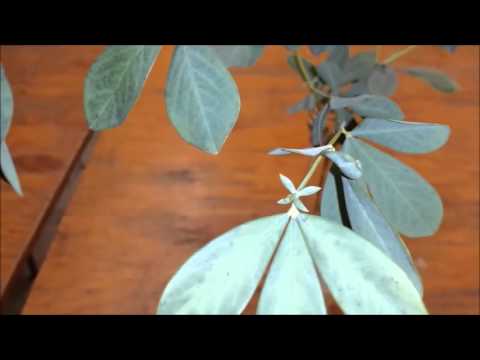
- Leaves: The leaves are trifoliate, meaning each leaf is divided into three leaflets. They are a bluish-green color, adding to the plant's overall aesthetic appeal.
- Flowers: The plant produces dense, upright racemes of pea-like flowers that are typically a deep blue to violet color. These blooms appear in late spring to early summer and can last for several weeks.
- Seed Pods: After flowering, the plant produces inflated seed pods that turn black when mature. These pods add an interesting visual element to the plant even after the flowering season has ended.
Growth Habit
Baptisia australis has a clumping growth habit and forms a bushy mound. It has a deep taproot system, which makes it drought-tolerant but also means it does not transplant well once established.
Cultivation
Soil and Light Requirements
- Soil: This plant prefers well-drained soil and can tolerate poor soil conditions. It thrives in sandy or loamy soils but can also grow in clay if it is well-drained.
- Light: Baptisia australis grows best in full sun but can tolerate partial shade. However, too much shade can result in fewer flowers and a more leggy growth habit.
Watering and Maintenance
- Watering: Once established, Baptisia australis is quite drought-tolerant. It requires minimal watering, making it an excellent choice for xeriscaping.
- Maintenance: This plant is low-maintenance. It does not require frequent fertilization and is generally pest and disease-free. Pruning is not necessary, but deadheading spent flowers can encourage a tidier appearance.
Propagation
Baptisia australis can be propagated by seed or division. However, due to its deep taproot, division can be challenging. Seeds should be sown in the fall or stratified before spring planting to improve germination rates.
Uses
Ornamental
Baptisia australis is primarily used as an ornamental plant in gardens and landscapes. Its striking blue flowers and attractive foliage make it a popular choice for:
- Borders and Beds: It works well in mixed borders and perennial beds.
- Wildflower Gardens: Its native status makes it a suitable addition to wildflower gardens and naturalized areas.
- Cut Flowers: The flowers and seed pods can be used in floral arrangements.
Ecological Benefits
- Pollinators: The flowers attract a variety of pollinators, including bees and butterflies, making it a valuable plant for supporting local ecosystems.
- Erosion Control: Its deep root system helps stabilize soil, making it useful for erosion control on slopes and embankments.
Ecological Significance
Native Habitat
Baptisia australis is native to the central and eastern United States. It is commonly found in open woodlands, prairies, and along stream banks. Its presence in these habitats contributes to biodiversity and ecosystem stability.
Wildlife Support
- Pollinators: As mentioned, the flowers attract bees, butterflies, and other pollinators.
- Birds and Small Mammals: The seed pods provide food for birds and small mammals, while the plant itself offers shelter.
Challenges and Considerations
Invasiveness
Baptisia australis is not considered invasive. It spreads slowly and does not typically outcompete native vegetation.
Toxicity
While not highly toxic, Baptisia australis contains compounds that can be harmful if ingested in large quantities. It is generally considered safe for gardens but should be planted with caution in areas accessible to pets and children.