Forked Bluecurls
Constituents:
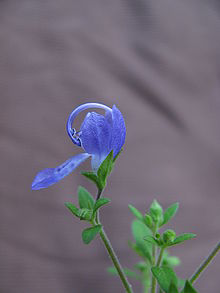
Trichostemma dichotomum, commonly known as forked bluecurls, is a plant species that belongs to the mint family, Lamiaceae. This perennial herb is native to North America, specifically found in regions such as Texas, Oklahoma, and parts of Mexico.
Morphology and Habitat
Forked bluecurls typically grow in dry, rocky habitats such as prairies, open woodlands, and along roadsides. The plant's slender stems can reach heights of up to 2 feet, bearing opposite, lance-shaped leaves with serrated edges. One of the most distinctive features of Trichostemma dichotomum is its striking flowers, which bloom in clusters of vibrant blue or purple tubular blossoms. These flowers are known for their intricate structure, attracting pollinators such as bees and butterflies.
Ecological Importance
As a native plant species, Trichostemma dichotomum plays a crucial role in supporting local ecosystems. Its flowers provide a valuable food source for pollinators, aiding in the reproduction of various plant species. Additionally, forked bluecurls contribute to biodiversity by creating habitats for insects and other small organisms. By preserving and promoting the growth of Trichostemma dichotomum, conservation efforts can help maintain the delicate balance of native flora and fauna in its natural habitat.
Medicinal and Culinary Uses
In addition to its ecological significance, Trichostemma dichotomum has also been valued for its medicinal and culinary properties. Some indigenous communities have used parts of the plant, such as the leaves and flowers, in traditional herbal remedies. The aromatic qualities of forked bluecurls have made it a popular choice for herbal teas and infusions, believed to have soothing and calming effects. While further research is needed to explore the full extent of its potential benefits, Trichostemma dichotomum continues to intrigue researchers and herbalists alike.
Cultivation and Gardening
For those interested in cultivating Trichostemma dichotomum in their own gardens, certain considerations should be taken into account. This plant thrives in well-drained soil and prefers full sun to partial shade. Regular watering is essential, especially during dry periods, to ensure healthy growth and flowering. Propagation can be achieved through seeds or stem cuttings, allowing enthusiasts to expand their collection of native plants and contribute to conservation efforts.